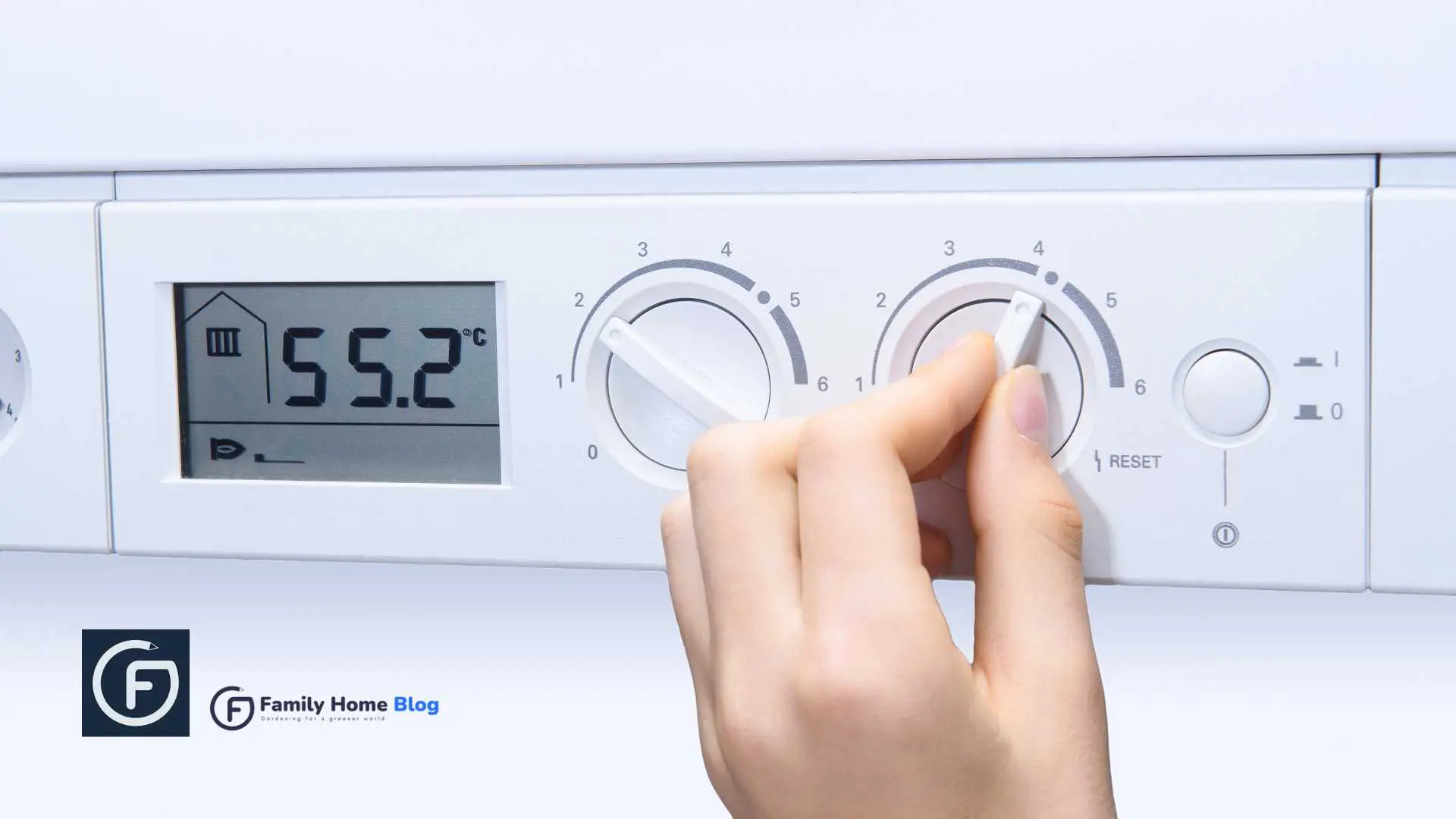
Boilers are essential because they help keep houses or hostels warm. The downside is that with time they become unreliable and can cause massive inconveniences. It’s because they break down as they age. If you have a malfunctioning boiler, these simple tips will keep you comfortable until it is fixed.
Key takeaways
- Check simple causes like pressure, thermostat settings, and tripped switches before calling for repairs
- Heat one small room well instead of trying to warm the whole house
- Never use a gas oven, stovetop, or grill as a space heater
- Book an annual boiler service to catch problems before the coldest weeks
You should contact an expert for repairs or replacements if your boiler breaks down or has problems. But, because these professionals are always in demand, they may fail to get to your place in time. Click this for the boiler cover and also have the peace of mind you deserve that your boiler receives the proper attention.
Does it mean you should give up all hope if the team of experts takes time to attend to your case? You can use the following tricks from Corgi Home Plan as you wait to get help for your malfunctioning boiler.
1. Dress Accordingly to Keep Your Body Warm
You should put on more clothing to stay warm when your boilers break down; it could mean wearing more sweaters or wrapping up in blankets. If it’s winter and your boiler stops working, you should immediately get warm items to wear. And this is how you should dress every time you get up in the morning.
If you’re in a college apartment with no heating, yet the weather is cold outside, then your only option is to dress well. You have to dress in warmer clothes otherwise you may catch a cold. Add more layers of clothes to give you more protection and keep you warm. It prevents heat from escaping your body and blacks the cold.
Even if you plan on staying indoors, wearing a cap and gloves can help you more than you think. It may appear you’re overdoing it, but you’ll stay warmer.
2. Close All the Curtains
While windows are essential, they also allow the cold to get into your house. You may underestimate it when your radiators and furnace are working all right to keep your home warm during winter.
But these are some of the things you need to re-evaluate when dealing with a broken boiler. Keep the drapes and blinds closed to ensure heat doesn’t escape through the windows. Additionally, closing your curtains gives you more privacy as you go on with your business in the house.
Closing the curtains at night is vital as it helps retain heat and keep the house warm as you sleep. On the other hand, open the blinds during the day if there’s sun, despite the cold outside, to allow light in the room. Even a little light can keep the surroundings warm, noting that light makes one feel better.
3. Ensure All Doors are Closed
The doors must be closed to keep the house heated. Heat can’t escape through the doors when they are closed. The main door to your residence should always stay closed for your safety and that of your valuables. And because these doors are usually thicker than the regular ones, they help retain heat.
There’s still more you can do even after shutting the front door. Go ahead and close the interior doors. It’s a great way of maximizing warmth in the room and preventing heat from escaping as it circulates the house.
4. Pick Your Room Wisely
Check the structure of the heating system before you pick a student room or apartment. It’s easier to heat smaller rooms than spacious ones when the boiler is broken. Think about the places and activities around your home, and consider the ones you need more.
You must weigh your options when deciding the rooms to heat if your boiler isn’t working. Place a sealant at the bottom of every door, heat all rooms to the extent you can, and avoid opening the doors. Your focus should be on the spaces you’ll use as it will help you save time and energy, compared to dealing with the whole house.
5. Boil Water ad Improvise
You need a heating kettle for this tip. You won’t have hot water in the house if your boiler breaks. But, if there’s an electric kettle in the room, and it works perfectly, you can use it to boil water, and the warm water will help a lot.
For instance, you can use the water to take a bath when it’s very cold. You can also use the warm water to clean your utensils and do kitchen chores with it. Another trick is to fill plastic bottles with the warm water and put them in your bed. It helps you warm your sheets so they’re not cold when you get to bed.
6. Use Your Microwave and Keep Off From Taking Cold Food
Another great way to beat the cold is by consuming warm meals. You may doubt it, but eating a hot plate of your favorite food kills all the cold in your body. The tip is even more relevant and valuable when your boiler lets you down.
Keeping your room warm by heating it with the oven or stove helps. Moreover, a hot cup of coffee or tea is a pleasant way of keeping your body warm and comfortable. After all, home-cooked meals are always the best, and you’ll enjoy them.
Quick Checks to Try Before Calling a Heating Technician
Before assuming the worst, run through a few simple checks. Make sure the thermostat is set to heat and turned above the current room temperature, and replace its batteries if it has a blank screen. Look at the boiler’s pressure gauge, since many systems stop working when pressure drops too low. Check that the power switch or breaker for the boiler has not tripped, and confirm your gas or fuel supply is on.
If your boiler shows an error code, write it down and look it up in the owner’s manual, which often explains what the code means. In very cold weather, a frozen condensate pipe outside can shut some boilers down. Anything involving gas, internal parts, or a smell of gas should be left to a qualified technician.
While you work through these checks, keep notes on what you see and when the problem started. Details like strange noises, a flickering pilot light, radiators that are only partly warm, or a pressure reading that keeps dropping help a technician diagnose the fault faster. Take a photo of the boiler’s model plate and any error message. Having this information ready when you call can shorten the visit and may reduce the cost of the repair.
- Thermostat mode, setting, and batteries
- Pressure gauge reading
- Breaker, fuse, or power switch
- Error code on the display
- Outdoor condensate pipe for ice
Staying Safe While You Wait for Boiler Repairs
When the heat is out, it is tempting to use whatever is available to warm up, but some shortcuts are dangerous. Warmth left over from cooking a meal is fine, yet a gas oven, stovetop, or outdoor grill should never be left running as a heater, because it can release carbon monoxide. Make sure you have working carbon monoxide and smoke detectors, and test them while you wait.
Portable electric heaters can help, but use them carefully. Place them on a hard, level surface at least a few feet from curtains, bedding, and furniture, plug them directly into a wall outlet rather than an extension cord, and turn them off when you leave the room or go to sleep. Keep a closer eye on babies, older relatives, and anyone with health conditions, as they feel the cold more.
Pipes are at risk too when the heating stays off for a long time in freezing weather. Open cabinet doors under sinks on exterior walls so warmer room air can reach the plumbing, and let a faucet drip slightly on very cold nights if your home is prone to frozen pipes. Know where your main water shutoff valve is located in case a pipe bursts. Acting quickly with a frozen or burst pipe can prevent serious water damage.
How to Prevent a Malfunctioning Boiler Next Winter
Most breakdowns seem to happen on the coldest days, when the system is working hardest. An annual service before winter gives a technician the chance to clean components, check safety devices, and spot worn parts early. It is also worth running your heating briefly in early fall so any issues show up before you really need it.
Between services, keep an eye on the pressure gauge, bleed radiators that feel cold at the top, and keep the area around the boiler clear. Pay attention to warning signs such as unusual banging or whistling, a pilot light that keeps going out, or water pooling underneath. If your boiler is getting old and needs frequent repairs, ask your technician whether replacement makes more sense than another fix.
- Schedule servicing in late summer or early fall
- Bleed radiators with cold spots
- Insulate exposed pipes in unheated areas
- Keep the technician’s contact details handy
Frequently Asked Questions
What should I do first if my boiler stops working?
Start with the basics: check the thermostat, the boiler’s pressure gauge, the power switch or breaker, and any error code on the display. Resetting the boiler once according to the manual may help. If it still will not fire up, or you smell gas, stop and call a qualified heating technician or your gas utility right away.
Is it dangerous to use a gas oven to heat my home?
Yes. Gas ovens and stovetops are not designed to heat rooms, and running them for long periods can build up carbon monoxide, which you cannot see or smell. Use safe alternatives like extra layers, blankets, and properly used electric heaters, and make sure your carbon monoxide detectors are working.
Why does a malfunctioning boiler keep losing pressure?
A boiler that keeps losing pressure often has a leak somewhere in the system, such as at a radiator valve or pipe joint, or a problem with an internal part like the pressure relief valve. Topping up occasionally is normal for some systems, but frequent drops should be checked by a qualified technician.
How often should a boiler be serviced?
Most manufacturers and heating professionals recommend servicing a boiler once a year, ideally before the heating season begins. Regular servicing helps keep it running efficiently, catches small faults early, and may be required to keep a warranty valid. Check your manual or warranty terms for specific guidance.
The Bottom Line
Nothing compares to having a warm and comfortable space to relax during winter. Although your boiler can malfunction, you only need this guide and won’t even notice what happened.