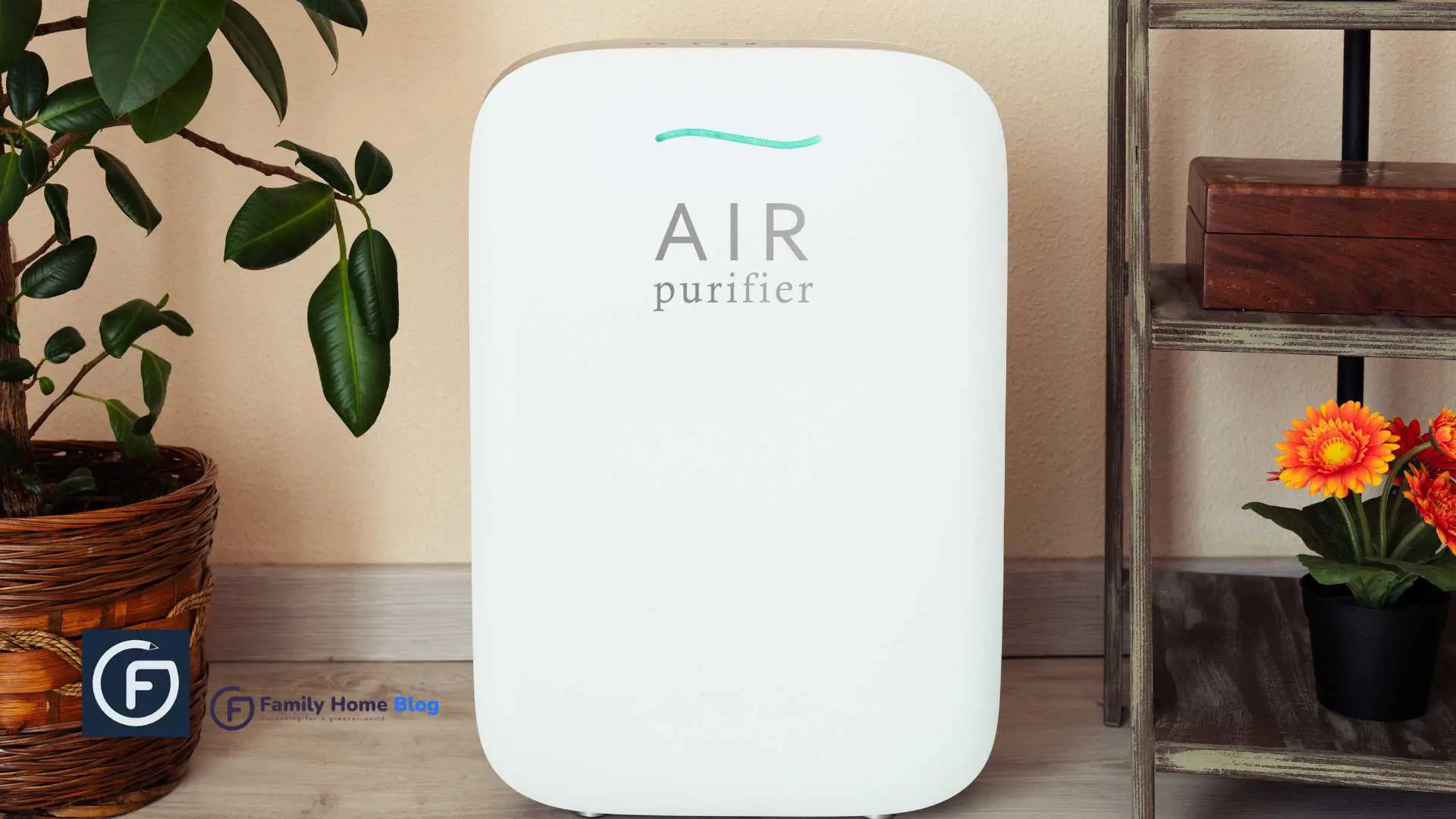
Create a fresh atmosphere in your home by placing an air purifier close to the source of any unwanted odors or smoke. Enjoy peace-of-mind knowing that you are creating a healthy, clean environment for everyone.
Key takeaways
- Place the air purifier near the pollution source and your breathing zone, off the floor
- Match the unit’s rated room size to the space you actually want to clean
- Replace or clean filters on schedule, or performance drops quickly
- Keep a few feet of open space around the intake and outlet
Get the most out of your air purifier by placing it near sources of contamination for swift relief. If you’re experiencing pesky odors from a neighboring smoker, put your air purifier on their trail, set it up close to vents or walls where this smell is strongest and watch as its powerful particles go in hot pursuit.
To effectively eliminate offensive odors, the best practice is to place an air purifier as close to their source as possible. It may be tricky but with this approach you can trap those pesky particles before they enter your living space. Big and effective machines like Triad Aer V3 can be placed in your living room. It is also important to keep it near your breathing zone for good results.
Do Not Place An Air Purifier Directly On The Ground
An elevated air purifier is paramount for ensuring the utmost cleanliness not only does it provide a safe environment by eliminating trip hazards, but also allows for greater efficiency when trapping airborne particles near the ceiling.
To maximize air purification, position your air purifier up to 5 feet high on a dresser or other piece of furniture. By doing so, you will ensure the continuous circulation of the freshest and cleanest atmosphere throughout your space.
Maximize cleaning efficiency without sacrificing space by investing in a wall mounted air purifier. Enjoy the benefits of increased airflow coupled with reduced clutter for an unbeatable combination.
Operate Air Purifiers In Isolation
To maximize the effectiveness of an air purifier, it’s important to keep all doors and windows tightly shut. Otherwise, unfiltered outside air can easily flow in through any gaps essentially nullifying the impact of the purification process. Sealing up each room helps ensure that your home is getting optimal coverage from your air filter.
Even if the air outside looks clear and inviting, it’s best to keep windows and doors closed during pollen season. Visualize this as a winter wonderland while snowflakes drift gently from the sky, small particles like dust or allergenic spores can still be present on their way into your home.
Your air purifier is valiantly fighting to keep your room free of the icy onslaught that never seems to end; with each gust of wind, more snow enters and creates a layer so thick it appears like a luxurious carpet, no amount of cleaning able to remove its frosty presence.
Keep your air purifier safe this summer by avoiding placing them in direct sunlight or other scorching areas. When temperatures rise, make sure to find a spot near an open window where cool air can be let into the room while still capturing any harmful particles from entering. Doing so will ensure that both you and your valuable device stay comfortable.
Air Purifier Struggle With Certain Electronics
To maintain the optimal performance of your electronics, it’s important to be mindful of their placement, in particular avoiding areas where air purifiers and TV sets, microwaves or stereo equipment are operating on similar wavelengths. This can lead to interference problems so keep them apart for best results.
Air purifiers come in all shapes and sizes, including some that are designed with computers specifically in mind. This means small electronic devices can be kept safe from any unhealthy air particles without taking up too much space.
Air Purifiers Are Portable Devices
Move freely with the added peace of mind that comes from portable air purification. With a portably sized device, you can keep your home’s air quality top notch wherever in your house you may be.
During the day, place your air purifier in a prominent location like your living room. Not only will you be able to enjoy watching television or reading on the couch while breathing easy with clean air but also basking in its tranquil presence.
Take restful sleep to the next level by creating a clean atmosphere in your bedroom before bed. An hour before you each count sheep, move an air purifier into your sleeping space for effortless comfort and improved wellbeing as slumber approaches.
Keep your home clean and happy with a daily dose of fresh air. Place an air purifier in any room to ensure that its cleansing capabilities are at work every day.
The Air Purifier Is Not Compatible With High Levels Of Moisture
The ideal setup for improving air quality involves setting up an air purifier and humidifier in the same room. For best results, place them on opposite sides of the space and opt for a low humidity mode from your device.
To ensure maximum efficiency, it is wise to keep your air purifier out of any heated or humid areas. When exposed to moisture and steam, the filters can become saturated more quickly than normal, shortening their lifespan considerably.
Avoid Placing The Air Purifier In The Corner
Selecting an ideal location for your air purifier is key in achieving optimal performance. Avoid positioning it behind furniture or beneath shelves; the machine needs unobstructed access to all corners of the room and its airborne particles, requiring that you position it so that its intake port faces out towards a wide open space.
Positioning an air purifier correctly can be the difference between simple dust circulation and truly clean, fresh air for your home. To get optimal efficiency from your unit, make sure to give it several feet of airspace at its top, front and sides; otherwise you’ll only be treating one component the underside of your bookshelf.
How to Choose the Right Air Purifier Size for Each Room
Even the best placement will not help much if the unit is too small for the room. Most air purifiers list a recommended room size and a clean air delivery rate, often shortened to CADR, which shows how much filtered air it moves. Measure the length and width of your room, multiply them to get square footage, and pick a model rated for at least that size, or a bit larger if you have allergies or pets.
Ceiling height matters too. Rooms with vaulted ceilings or open floor plans contain more air, so a unit sized for a standard bedroom may struggle in a combined living and dining area. In that case, two smaller purifiers in different spots can sometimes work better than one large one. Place each one where it can draw air from the area you use most.
Noise and energy use are worth comparing too. A purifier you find too loud will likely end up switched off, which defeats the purpose. Look for models with several fan speeds, a quiet sleep mode, and a dimmable display for bedrooms. Many units list their power use, and running an efficient model continuously is usually manageable. Consider ongoing filter costs as well, since replacement filters for some models can add up over a year.
- Measure the room’s square footage first
- Compare the CADR and recommended room size
- Size up for open layouts or high ceilings
- Check noise levels if the unit is for a bedroom
Air Purifier Filter Maintenance and Replacement
A clogged filter restricts airflow and forces the machine to work harder while cleaning less air. Many purifiers use a washable or vacuumable pre-filter that catches pet hair and larger dust, plus a HEPA filter and sometimes an activated carbon filter for odors. Pre-filters often need attention every few weeks, while HEPA and carbon filters are usually replaced every several months to a year, depending on use and household conditions.
Follow the manufacturer’s instructions rather than guessing, and use a filter replacement indicator if your model has one. Homes with smokers, several pets, or nearby construction may need changes more often. Switch the unit off and unplug it before opening it, and wipe the outer grille so dust does not build up around the intake. Buying a spare filter ahead of time means you will not be tempted to stretch an old one too long.
Common Air Purifier Placement Mistakes to Avoid
One of the most frequent mistakes is tucking the purifier behind a couch, under a desk, or against a curtain where the intake is blocked. The unit needs open space on all sides to pull in air and push clean air back out. Another is placing it right next to a doorway with heavy foot traffic, where it mainly filters air that is already leaving the room.
People also tend to run purifiers only on the lowest setting to keep things quiet, which may not clean the room effectively. Running it on a higher setting while you are out and a quieter one while you sleep can be a good compromise. Finally, remember that an air purifier works best alongside regular dusting, vacuuming, and good ventilation, not as a replacement for them.
Seasonal changes can affect the best spot as well. During pollen season, a purifier near the main entry or the bedroom where allergy symptoms feel worst may help most. In winter, when windows stay closed and people spend more time indoors, the living room may be the priority. If someone in the household cooks often, a spot near but not inside the kitchen can reduce lingering odors throughout the home.
- Do not block the intake or outlet with furniture or drapes
- Avoid spots right beside busy doorways
- Keep it away from humidifiers and steamy areas
- Do not rely on the lowest fan setting all day
Frequently Asked Questions
Where is the best place to put an air purifier in a bedroom?
Place it within several feet of the bed, raised on a nightstand or dresser if possible, with open space around it. Keep it out of direct airflow onto your face if that bothers you. Running it for a while before bedtime helps clean the air before you settle in for the night.
Should an air purifier run all day?
For most homes, running an air purifier continuously gives the best results, because indoor air is constantly picking up new dust, dander, and other particles. Many modern units are designed for continuous use and use modest amounts of electricity. You can lower the fan speed at night or use an auto mode if available.
Can one air purifier clean a whole house?
Usually not. Most portable air purifiers are designed to treat a single room or open area, and walls and doors limit how far clean air can travel. For multiple rooms, place units in the spaces you use most, like bedrooms and the living room, or ask an HVAC professional about whole-home filtration.
Is it okay to put an air purifier near a window?
It can be, as long as the window is closed and the unit is not in direct hot sunlight for long periods. Keeping it slightly away from the glass and drapes prevents blocked airflow. With windows open, outdoor air keeps flowing in, so the purifier has to work much harder to keep up.