Lamps are essential components in interior design that can improve a space’s aesthetic value and be practical lighting fixtures. Cool lamps come in many styles, and the right one can set the mood of an entire room. Every style is catered to in the world of lamp designs, which range from minimalist to eclectic, industrial to vintage. We’ll explore some lamp designs in this blog article that make spaces brighter and provide a dash of visual artistry.
Key takeaways
- Choose lamp styles like minimalist, industrial, vintage, or nature-inspired to match your room’s personality
- Scale lamps to the furniture beside them so shades sit near seated eye level
- Use warm, dimmable bulbs for relaxing spaces and brighter, cooler light for reading or work
- Check wattage limits, secure cords, and choose stable bases in homes with kids or pets
Marvellous Minimalism
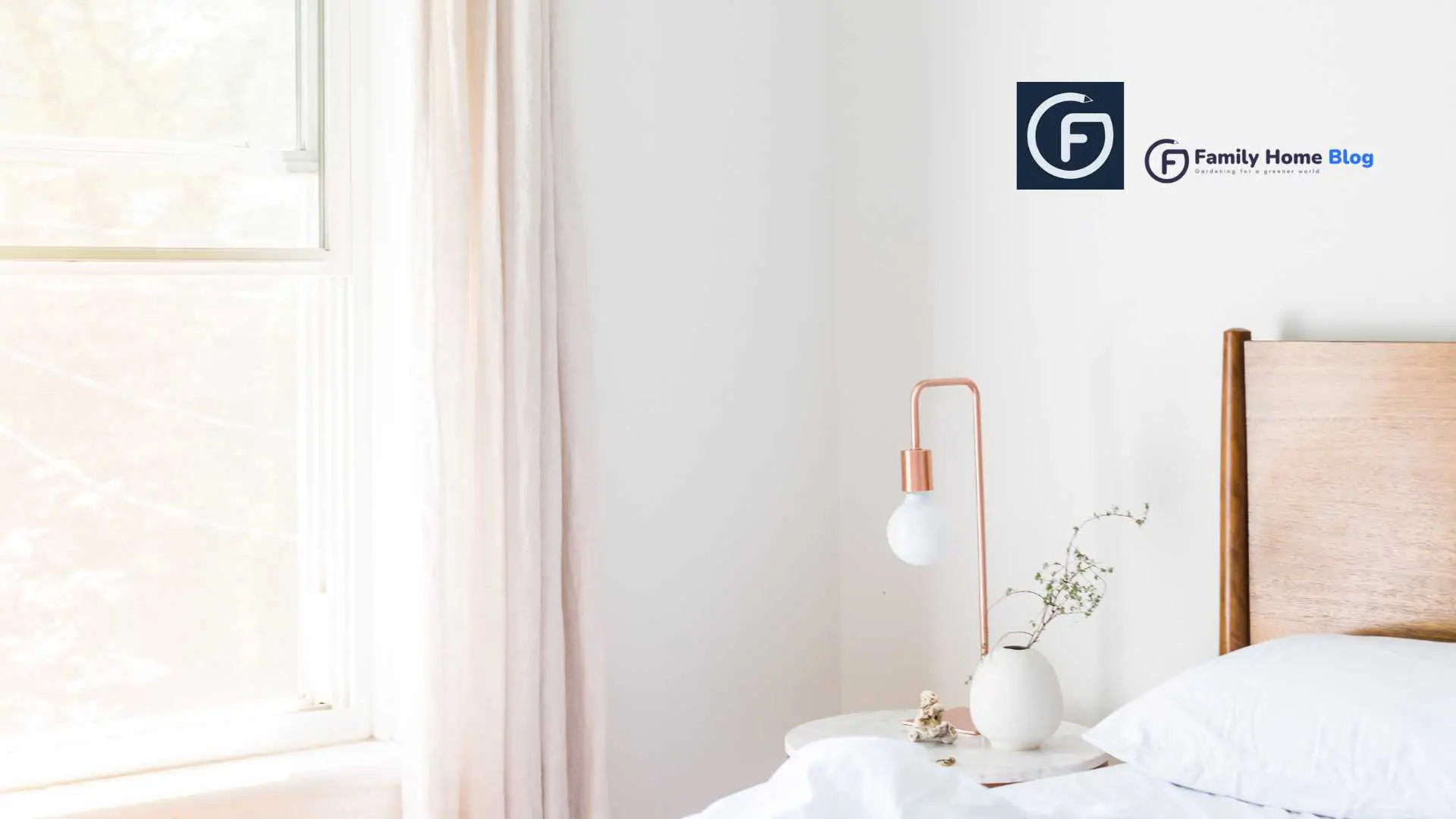
Minimalist lamps follow the adage “less is more.” These patterns frequently have simple shapes, neutral hues, and clear lines. Think of cool lights with an angular, slim stem and a subtle lampshade. This design can elegantly merge into contemporary settings, producing a refined ambience.
Modern Industrial
Industrial lighting appreciates unfinished elements like metal, exposed cables, and earthy hues. Imagine a table with cool lamps, a cage-like lampshade, and a base that resembles a pipe. This style appeals to loft-type flats and gives rooms looking for a hint of urban aesthetics a rustic charm.
Vintage Vibes
Vintage lights are a gold mine for individuals who value the charm of olden times. Any area may be given a nostalgic feel by using Tiffany lamps, Art Deco-inspired designs, or even old-fashioned lanterns. These lights serve as both light sources and conversation starters.
Various Wonders
Eclectic lighting types celebrate diversity by integrating varied designs, hues, and materials. Consider a floor lamp with a mosaic lampshade made of metal, glass, and ceramic components. Any space is infused with vitality and interest thanks to eclectic lights, which become focus points.
Elegance Inspired By Nature
With lamps, the distinction between decorative lighting and practical illumination is blurred. Think of a floor lamp with a shade resembling the patterns of leaves or a table lamp with a base resembling a delicate tree branch. These styles create a tranquil atmosphere by bringing a little bit of nature indoors.
Future-Looking Lighting
Technology has advanced to the point that lamps can now be genuinely futuristic. Some examples are touch-sensitive lamps that react to gestures, levitating cool lights that seem to defy gravity, and LED strip lighting that changes colour and intensity. These layouts are ideal for settings that value modernity and creativity.
Cultural Richness
Cultural lights use traditional patterns, materials, and craftsmanship while drawing influence from other parts of the world. A Moroccan lantern with an elaborate design or a Japanese paper lantern can give dimension to interior spaces by introducing a global look.
Conclusion:
The designs of cool lamps have progressed beyond their purely functional use to become essential elements of interior decor. By picking the ideal lamp style, you may improve the aesthetics of your area while expressing your taste and establishing a relaxing ambience. Whatever your aesthetic preferences—minimalism, an industrial aesthetic, or a love of vintage items—the world of lamp designs offers countless opportunities for transforming your living spaces into visually appealing settings, so, let your imagination guide you in your quest for a more fashionable home.
How to Choose the Right Size and Placement for Cool Lamps
Even the most striking design falls flat if the proportions are off. A useful guide for table lamps is that the bottom of the shade should sit roughly at eye level when you are seated nearby, so light falls on your book instead of into your eyes. The lamp should look balanced with its table, neither dwarfing it nor disappearing next to a large sofa.
Placement is where cool lamps really earn their keep. Rooms feel most inviting with several light sources at different heights rather than one bright ceiling fixture. Combine a floor lamp in a corner, a table lamp beside seating, and perhaps an accent lamp on a shelf. Put task lamps where you actually read or work, and aim for a gentle triangle of light across the room.
Consider the shade too. Opaque shades push light up and down, creating dramatic pools of light that suit accent and mood lighting. Translucent linen or paper shades spread a softer glow across the room. Drum shades feel modern, while pleated or bell shapes lean traditional. If you love a statement base, a simple shade keeps the look balanced, and a bold shade pairs best with a quieter base.
- Shade bottom near seated eye level
- Lamp height in proportion to the table
- Mix floor, table, and accent lamps
- Plan outlets before choosing positions
Picking Bulbs: Color Temperature, Brightness, and Dimming
The bulb shapes the mood as much as the lamp. Color temperature is measured in Kelvin. Warm white, around 2700K to 3000K, creates a cozy glow suited to living rooms and bedrooms. Neutral to cool white, roughly 3500K to 5000K, feels crisper and helps with reading, crafts, or home office tasks. Brightness is listed in lumens, so compare that figure rather than old wattage equivalents.
Dimmable LED bulbs give you flexibility from bright evenings to soft movie nights, but check that both the bulb and the lamp or switch support dimming. Many decorative lamps show off the bulb itself, so exposed filament-style LEDs or globe bulbs can finish the look. Always follow the maximum wattage printed on the socket, especially in older or vintage fixtures.
Think about color rendering as well. Bulbs with a higher color rendering index, often listed as CRI, show colors more naturally, which is useful near artwork, in dressing areas, or anywhere you want fabrics and paint colors to look true. LEDs also last much longer than older bulb types, so fewer replacements are needed, which helps when a lamp sits in an awkward spot.
Safety Tips for Lamps in Family Homes
Lamps are simple, but a few precautions go a long way, especially with children or pets. Choose floor lamps with wide, weighted bases that resist tipping, and position them away from walkways and play areas. Route cords along walls or behind furniture, and use cord covers where they must cross open floor. Avoid running cords under rugs, where damage can go unnoticed.
Inspect vintage and secondhand lamps before use. Frayed wires, cracked sockets, or loose plugs are signs the lamp needs rewiring, a job best left to a qualified electrician or lamp repair shop. Keep fabric and paper shades clear of hot bulbs, and switch to LEDs, which run cooler. Turn off lamps when leaving the house, and use smart plugs or timers if you like lights on while away.
Smart features can add both convenience and safety. Smart bulbs and plugs let you switch lamps on from a phone or on a schedule, so you never walk into a dark room. Touch-controlled or remote-operated lamps suit bedside tables and hard-to-reach corners. For nurseries and kids’ rooms, choose lamps that stay cool to the touch, and keep cords well out of reach of cribs and beds.
Frequently Asked Questions
What color light bulb is best for a living room?
Warm white bulbs in the range of about 2700K to 3000K suit most living rooms because they create a relaxed, inviting glow. If you also read or work there, add a task lamp with a slightly cooler or brighter bulb. Dimmable bulbs let one lamp handle both lively evenings and quiet nights.
How tall should a table lamp be?
Aim for a lamp where the bottom of the shade sits roughly at eye level when you are seated beside it. Combined with the table, that often lands the shade somewhere between the height of your shoulder and chin while sitting. Keep the lamp in proportion so it does not overwhelm a small side table.
Where can I use cool lamps in a small apartment?
They work well anywhere they add both light and personality without taking up much space. Try a slim floor lamp in a corner, a wall-mounted swing-arm lamp beside the bed, or a compact sculptural table lamp on a shelf. Layering two or three smaller sources makes a small room feel larger and warmer.
Is it safe to use LED bulbs in vintage lamps?
Generally yes, and LEDs often run cooler than older incandescent bulbs, which is easier on delicate shades. Make sure the base fits the socket and stay under the lamp’s maximum wattage. If the wiring looks frayed or the socket is cracked, have the lamp rewired by a qualified professional before using it.