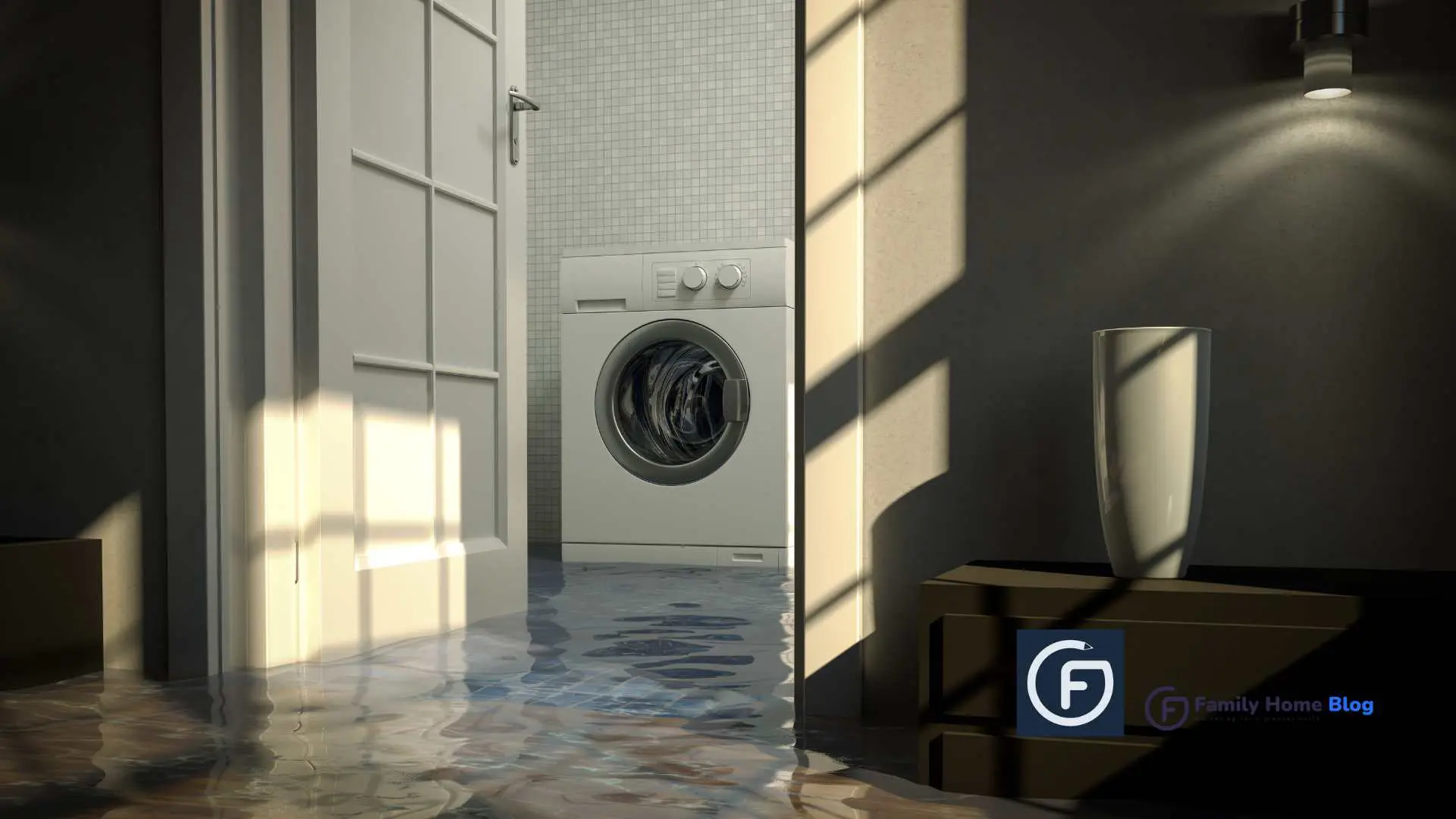
Basements are used for all sorts of things. Sometimes, they become a separate apartment or rental area for the home, and other times, they are renovated into an entertainment area, a laundry room, a storage center, or whatever you need them for. It is your home, and your basement can become whatever you would like it to be. When you experience water damage and flooding within your basement, the outcome can be disastrous, stressful, and chaotic.
Key takeaways
- Never step into a flooded basement until the power is off and the area is safe
- Remove standing water and start drying within the first day or two to limit mold growth
- Throw out porous items soaked by flood water, especially anything touched by sewage
- Prevent future floods with sump pump checks, clear gutters, and good grading
Suddenly, your beloved basement is no longer the safe and comfortable place it used to be – it has become a war zone, and many of your household goods are being ruined. Flooding anywhere in the home is a headache, but when it occurs in your basement, it is incredibly frustrating because the area is often partially, if not wholly, underground. Water damage companies in Queens, NY, are used to seeing these kinds of situations, and even though the scenario may seem too difficult to bear, some professionals can help.
Document Everything
When a flood occurs unexpectedly, it is easy to begin panicking – you are likely attempting to move as quickly as possible to resolve the situation. Still, you cannot always transport water damage technicians immediately. Although professionals can likely be there very quickly, you will want to begin the resolution process as a homeowner in the initial stages of a basement flood. You will probably want to document anything and everything, taking photos of the flood, damaged items, and property damage. Documentation is required if you are hoping to enlist your personal homeowners or renter’s representative to file a claim for the water damage caused by the flooding.
Move Everything That You Can
It is generally a good idea to enlist assistance from your partner or family member during the flood so one can do the documentation and the other can begin moving items. You don’t want your belongings to be sitting ducks within the water because the longer it is submerged, the more damage may occur – some of which may be irreparable. Take everything you can and move it upstairs to the main level of the house or any dry area. Document each item as it comes up and be sure to dry off the items with towels to save your property. When water damage experts arrive, they will likely begin assisting to speed things up and extract the standing water downstairs.
Focus On Your Safety
If your basement is flooding, it may not be safe or possible for you to pick everything up and move it out of the way because your safety and the security of the rest of your family is the most critical component of this event. If you are weary of heading down to the basement to begin taking pictures and securing your belongings, you should listen to your gut; there is a reason you feel this way. Turning to trusted professionals and water damage experts with the experience, knowledge, and tools necessary to head down there and begin extraction and cleanup is the one thing you can rely on. Having a local water damage restoration business that you can depend on during this time will be your household’s most significant source of support!
Call Your Renters or Homeowners Insurance
This is likely the last thing you want to deal with because when you are in a highly stressful situation, that is all you can focus on. When your home is in a state of disarray, and an emergency occurs, that is why you have renters and homeowners’ insurance. The coverage is there for your protection and the protection of your property in case of a disaster, break-in, etc. Flood coverage is usually something that is in addition to the typical policy, so you must check in with your insurance representative to ensure that it is something that you have on file. You will still want to call in and file a claim even if that is something you do not have with your regular coverage because many standard policies will cover the flood damage if it was caused by something within the home.
Contact a Local Water Damage Restoration Company
Calling on your local water damage experts is a sure way to get your basement cleaned up, dried out, and properly sanitized. Water damage companies have the tools and equipment to extract and clean the water. They will then proceed to additional clean up, sanitation, and deodorization of the space. They will likely commit to a few follow-ups to ensure your basement is drying and everything is cleaned correctly. An investigation into the flood and how it was started will be completed to ensure it doesn’t happen again! SOS Mitigation Water Damage Restoration in Queens, NY, provides water and flood damage services to all five boroughs. SOS Mitigation water damage experts are committed to providing fast, friendly, and efficient solutions to basement and house flooding! When water damage or flooding occurs in your basement, contacting local, licensed water damage technicians will provide the support you need to clean your home quickly.
First 48 Hours: A Water Damage Cleanup Checklist
Speed matters after a basement flood because mold can begin growing within a day or two in damp conditions. Once the area is safe to enter and you have documented the damage, start removing water. A wet-dry vacuum works for shallow water, while a submersible pump or professional extraction is needed for deeper flooding.
Next, open windows if the weather allows and run fans and a dehumidifier to pull moisture from the air. Move rugs, cardboard boxes, and upholstered items out to dry or to the curb. Pull baseboards and remove wet drywall or insulation if they stay damp, since moisture trapped inside walls can cause hidden problems.
Clean hard surfaces such as concrete floors, walls, and shelving with a household cleaner, then disinfect areas the water touched. Wear gloves, boots, and a mask while working. Let everything dry completely before putting items back, and keep the dehumidifier running for several days after the space looks dry, since moisture can linger in concrete and framing.
- Remove standing water quickly
- Run fans and dehumidifiers continuously
- Pull out wet carpet, pads, and boxes
- Check behind walls and under flooring for moisture
What to Keep and What to Throw Away After a Flood
Deciding what to save is one of the hardest parts of flood cleanup. Hard, nonporous items like metal, glass, hard plastic, and sealed wood furniture can often be cleaned and disinfected. Porous items that soaked up water, such as mattresses, upholstered furniture, carpet padding, pillows, stuffed toys, and particleboard, are usually hard to dry completely and may harbor mold.
The source of the water matters too. Clean water from a burst supply line is less risky than groundwater or sewage backup. Anything touched by sewage or floodwater from outside should generally be discarded if it cannot be fully disinfected, and cleanup should be done with gloves, boots, and eye protection.
Photograph items before tossing them, since your insurance adjuster may want to see what was lost, and keep a list with approximate ages and descriptions. Set aside irreplaceable photos, heirlooms, and important documents for special care. Freezing wet papers or photos in sealed bags can buy time until you decide whether a professional restoration service is worth it.
How to Prevent Future Basement Water Damage
Once your basement is dry, take steps to reduce the risk of another flood. Start outside. Clean gutters and make sure downspouts carry water several feet away from the foundation. Check that the soil slopes away from the house so rain drains outward rather than pooling against the walls, and keep window wells clear of leaves and debris.
Inside, test your sump pump a few times a year by pouring water into the pit, and consider a battery backup in case of power outages during storms. A water alarm near the water heater, washing machine, or sump pit can alert you early. Replace old rubber washing machine hoses with braided ones and know where your main water shutoff valve is.
For persistent seepage, damp walls, or cracks in foundation walls, a licensed waterproofing contractor or structural professional can inspect the problem and recommend solutions suited to your home, such as interior drainage or crack sealing. Getting more than one opinion and a written estimate is wise, since recommendations and costs vary depending on the cause and your region.
- Clean gutters and extend downspouts
- Test the sump pump regularly
- Install water leak alarms
- Know where the main water shutoff is
Frequently Asked Questions
How long does it take a flooded basement to dry out?
A flooded basement often takes several days to a couple of weeks to dry fully, depending on how much water there was, the materials involved, and the humidity. Professional drying equipment speeds things up considerably. Moisture meters help confirm that walls and floors are truly dry before repairs begin.
Does homeowners insurance cover basement water damage?
It depends on the cause and your policy. Many standard policies cover sudden damage from something like a burst pipe but exclude flooding from outside water, which usually requires separate flood insurance. Sewer backup coverage is often an add-on. Review your policy and talk with your insurance agent about your situation.
When should I call a professional after a basement flood?
Call a professional when water is deep, involves sewage, has been sitting more than a day or two, or has reached walls, insulation, or electrical systems. Professionals have extraction and drying equipment and moisture meters that help find hidden water and reduce the chance of mold.
Is it safe to stay in a house with a flooded basement?
It may be safe if the water is contained, the electricity to the basement is off, and there is no sewage or gas smell. Leave immediately if you smell gas, notice electrical hazards, or see structural damage. When in doubt, contact your utility company or local emergency services for guidance.