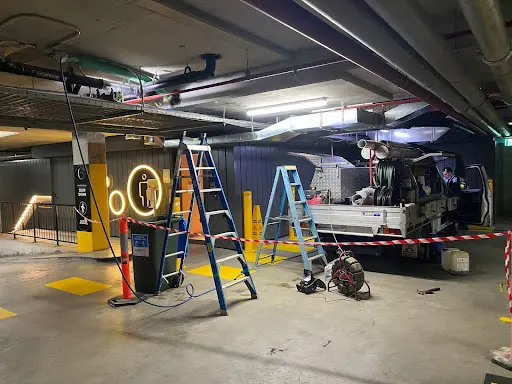
If you’ve ever experienced sewer, drainage or water pipe problems in your home, you’ll probably think it’s the end of the world for you, but no! We understand how frustrating and inconvenient they can be, and that’s why we bring you good news. Pipe relining Sydney professionals can restore your plumbing to its optimal condition and even extend its life to decades and more with different methods of pipe relining. As to how the relining professionals can do this, make sure to keep reading to know why.
Key takeaways
- Relining repairs damaged pipes from the inside, usually without digging up gardens or driveways
- A CCTV camera inspection should confirm the pipe’s condition before any relining quote
- Relining suits cracks, root intrusion, and minor leaks, but collapsed pipes may need replacement
- Prevent future blockages by avoiding grease, wipes, and planting trees near sewer lines
- We use durable and Australian watermark approved materials – A while back, it became a legal requirement for Sydney pipe relining companies to use Watermark-approved materials and products. Anything outside that guidelines is considered unsuitable for use within Australia. One of the consequences of using non-watermark is product failure resulting in building and/or property damage and loss. That means you can trust that your plumbing system is not only restored to full functionality when it’s relined but is also guaranteed durable and you won’t face issues on the relined sections going forward.
Our materials are top-of-the-line and are made in the UK and Germany. We don’t settle for less. We want to provide the best there is for our customers to guarantee quality workmanship.
- Pipe relining Sydney companies guarantee product warranty – Trusted Sydney relining solutions companies not only use the best quality materials that are safe for use for plumbing and drainage but are also covered with product warranty. Other companies offer 20-25 years, but our customers get a lifetime product warranty on the relined sections of the pipe. Yes, you heard it right! We are confident that we’re installing the world’s superb and long-lasting materials in our customer’s plumbing systems, so they never ever have to call about a blockage or leaking again. If ever you have a blockage again on a section we relined, we will return at no cost to you at all.
On top of the warranty, we also provide free annual inspections on the relined sections as a bonus benefit.
- It’s fixed by professionals – Reliable companies carry out CCTV drain inspection first to locate all compromised areas and make sure the pipeline is free from all types of build-up before they commence the work using a high-pressure water jetter. We specifically follow strict procedures in relining because it’s a job that can easily result in a failed outcome, more issues and more expenses for both the customers and us if one step is not properly done. When your pipework is relined, you can sleep soundly knowing it was fixed by professionals to the highest standard and there’s no way it will crop up with the same problem.
What are the telltale signs you need pipe relining services Sydney?
Plumbing systems are hidden from plain sight, so it likely gets attention until it completely breaks down or is showing signs of failure. Fortunately, it’s not as hard to tell that it requires tender love and care. You just have to watch for the signs below.
- Odd odours coming from a sink or drains.
- Toilet makes a gurgling noise when it flushes.
- Water damage such as stains, dirty marks, or dampness, in your home.
- Musty smell, excessive warping walls and vinyl tiles and other structural oddities.
- Stagnant water in the yard which can cause vegetation to go unusually verdant.
- Low water pressure or frequent toilet backups.
- Mould appearances, especially in areas where your pipes are located.
- If you have nearby trees where a network of tree roots can break into your pipe.
If you notice your home has one or more of these signs, it will be best to call the Pipe Relining Sydney professionals right away. These are issues that may seem not to require immediate action, but if left to go on, will only bring more costly and massive damage into your home.
When is pipe relining the best option for you?
- You don’t want to deal with blockage and other drain-related problems anymore – If you’re better off paying a professional once and for all to ensure your drain system at home works optimally than hiring a plumber 10x every time you run into another trouble, then pipe relining is the best option for you. Relined pipes have a longer lifespan than pipes fixed with traditional methods, making your investment more rewarding.
- You want a less intrusive repair than traditional dig up methods – Pipe relining professionals seal up damaged pipe completely, leaving no opportunity for leaks, or tree roots to intrude the relined section again. They do this with zero to a very minimal disturbance to the property only. If the damaged pipe is under a building or your property, essentially, cleaning and fixing the mess spells extra cost and inconvenience. If you choose to reline, you can save thousands for these works.
At Revolution Pipe Relining, our plumbers have all the experience, tools and equipment to fix blockage, cracked, or leaking pipe regardless of how complex or simple it is. We can extend the life of your drain pipes whether it’s only sealing cracks or completely relining long metres of pipe. We offer obligation-free quotes and can beat the pipe relining cost of other companies for you! So, get your drain problems fixed by the professionals right now!
How the Pipe Relining Process Works Step by Step
Most relining jobs follow a similar sequence. First, a plumber runs a CCTV camera through the pipe to locate cracks, root intrusion, and blockages and to measure the length and diameter of the damaged section. Next, the pipe is cleaned, often with high-pressure water jetting, to remove roots, scale, and debris so the new liner can bond properly.
A flexible liner soaked in resin is then inserted into the pipe, usually through an existing access point, and inflated so it presses against the old pipe walls. The resin is left to cure, sometimes with heat or UV light, forming a hard, seamless pipe within the old one. Finally, the plumber reopens any branch connections and runs the camera again to confirm the result. Many jobs are completed within a day, depending on length and complexity.
Before work starts, ask the plumber to share the camera footage and explain what it shows. This helps you understand the damage, the length of pipe to be relined, and whether any sections need a different repair. You may need to avoid using toilets, showers, and sinks connected to that line while the liner cures, so plan around the timing with your household.
- Camera inspection and measurement
- High-pressure cleaning of the pipe
- Resin-soaked liner inserted and inflated
- Curing, reconnection, and final camera check
Relining vs Replacement: How to Compare
Relining is often the less disruptive option because it avoids digging trenches through lawns, driveways, paving, or floors. That can mean less restoration work and a faster return to normal use of your plumbing. It works well for pipes with cracks, joint displacement, root intrusion, and small leaks, where the original pipe still holds its general shape.
Traditional excavation and replacement may be the better choice when a pipe has fully collapsed, has severe sagging that holds water, or is too small for your needs. The right option depends on the pipe’s condition, location, and access. Costs for both methods vary widely with pipe length, depth, and region, so ask for a written quote that explains the recommended method, what the camera footage showed, and what warranty applies to the work.
When comparing quotes, check that each one covers the same scope, including cleaning, the length of pipe, the number of junctions to reopen, and the final inspection. A much cheaper quote may leave out steps that affect the result. Confirm the plumber is licensed, ask about materials and approval standards, and keep copies of all paperwork for your home records.
Preventing Pipe Damage After Relining
A relined pipe is smooth and resistant to root intrusion, but good habits still protect it and the rest of your system. Avoid pouring fats, oils, and grease down the sink, as they harden and cause buildup. Only flush toilet paper; wet wipes, even those labeled flushable, cotton buds, and sanitary products can create blockages.
Be thoughtful about landscaping near your sewer line. Tree and shrub roots seek out moisture and can damage unlined sections or joints elsewhere. If you notice gurgling drains, slow drainage, or unpleasant odors, have a licensed plumber investigate early before a small issue grows. Some homeowners also schedule a camera inspection every few years, particularly in older homes or where large trees grow near the pipes.
It also helps to know where your access points and main sewer line run. Keeping a copy of the property’s drainage diagram, if available, makes future inspections faster and can reduce costs. If you are buying an older home, a pre-purchase drain camera inspection can reveal problems before you commit, giving you useful information for planning repairs or negotiating with the seller.
- Keep grease and oil out of drains
- Flush only toilet paper
- Plant trees away from sewer lines
- Act early on slow or gurgling drains
Frequently Asked Questions
How long does pipe relining last?
Relining is designed to be a long-term repair, and manufacturers often rate liners for several decades when installed correctly. Actual lifespan depends on the materials used, installation quality, and how the plumbing is used. Ask your plumber about the product specifications and the warranty offered on both materials and workmanship.
Is pipe relining better than digging up pipes?
Relining is often better when the existing pipe is cracked or has root intrusion but still holds its shape, because it avoids excavation and restoration work. If a pipe has collapsed or has major sagging, replacement may be needed. A camera inspection helps a licensed plumber recommend the right approach.
Can all pipes be relined?
Many pipe types, including clay, cast iron, PVC, and concrete, can be relined, but not every pipe is suitable. Fully collapsed sections, severe misalignment, or pipes that are too narrow may need replacing. A licensed plumber should inspect the pipe with a camera before confirming relining is a suitable option.
How do I know if my pipes need relining?
Warning signs include recurring blockages, slow drains, gurgling sounds, sewage odors, damp patches in the yard, and roots found during drain clearing. These issues suggest cracks or broken joints. A licensed plumber can confirm the cause with a camera inspection and explain whether relining or another repair is best.