Local interior design in the United States is a vibrant fusion of global influences, resulting in unique space solutions that cater to the needs and preferences of clients.
Key takeaways
- Borrow one or two global design ideas rather than copying an entire style for a room
- Test paint colors on your own walls in daylight and evening light before committing
- Plan furniture around traffic paths and room function, then layer in decor and accents
- Local climate, light, and home architecture should guide how you adapt global trends
From full-service interior design firms offering commercial services to homeowners seeking design ideas for their modern interiors, the incorporation of global trends is the driving force behind the evolution of local design.
Designers embrace the challenge of merging global inspiration with practical and innovative space solutions. They deftly navigate the complex process of translating design ideas into reality, utilizing their expertise and creativity to create aesthetically pleasing and functional environments.
As we explore the impact of global trends on local interior design, it becomes evident how color schemes and furniture arrangement play crucial roles in creating visually appealing spaces.
By integrating global color trends into their projects and employing strategic furniture arrangements, designers can transform any room and create stunning transformations.
Whether you are a homeowner seeking renovation tips for a room makeover or an interior designer looking to enhance your skills in interior styling, understanding the influence of global trends is essential.
By incorporating elements from around the world, local interior designers can create designs that are both reflective of the global zeitgeist and tailored to their client’s specific preferences.

In the following sections, we will delve deeper into the merging of global inspiration with unique space solutions, explore the significance of color schemes and furniture arrangement, and provide insights into interior styling techniques.
Merging Inspiration with Unique Space Solutions
Creating stunning and functional spaces requires combining global design inspiration with unique space solutions. Full-service interior design firms play a crucial role in this process, offering a range of services that encompass everything from concept development to project execution.
With their expertise in commercial interior design services and comprehensive understanding of the latest design trends, they can help turn design ideas into practical reality.
Whether it’s remodeling a retail space or revamping a corporate office, these firms have the knowledge and skills to transform any interior into a visually stunning and highly functional space.
One of the significant trends in modern interiors is the incorporation of global influences. Designers draw inspiration from diverse cultures, paying homage to different design styles and aesthetics.
From Scandinavian minimalism to Moroccan motifs, these global influences bring a fresh and exciting perspective to interior design.
However, successful design also requires a deep understanding of the local context. Designers must cater to the needs and preferences of their clients while incorporating global inspiration.
By blending the two, designers can create spaces that are unique, visually stunning, and cater to the specific requirements of their clients.
Whether it’s a residential project or a commercial space, full-service interior design firms are at the forefront of merging inspiration with unique space solutions.
By seamlessly blending global design influences with local needs, they bring to life innovative design ideas and create modern interiors that leave a lasting impression.
Exploring Color Schemes and Furniture Arrangement
When it comes to interior design, the choice of color schemes and furniture arrangement plays a pivotal role in creating visually appealing and functional spaces.
Designers understand the importance of integrating global color trends into their projects to infuse a sense of modernity and freshness into home decor. Interior designers can transform ordinary rooms into extraordinary spaces by carefully selecting color schemes that complement the overall design aesthetic.
Furniture arrangement is another crucial element in interior design. How furniture is positioned within a room can greatly impact its functionality and flow.
Designers employ space planning techniques to maximize every inch of a room and ensure that the furniture layout creates a harmonious and balanced environment.
By considering the scale, proportion, and functionality of each piece of furniture, designers can create spaces that are not only visually pleasing but also practical.
For homeowners looking to give their rooms a makeover, renovation tips are always helpful. Whether it’s a full-scale renovation or a minor refresh, understanding the principles of color schemes and furniture arrangement can make a world of difference.
By following expert advice and adopting tried-and-true techniques, homeowners can achieve a room makeover that reflects their style and enhances the overall design aesthetic of their home.
In addition to color schemes and furniture arrangement, interior styling plays a significant role in tying all the elements together. From selecting the right accessories to curating art pieces and decorative items, interior styling adds the finishing touches that bring a room to life.
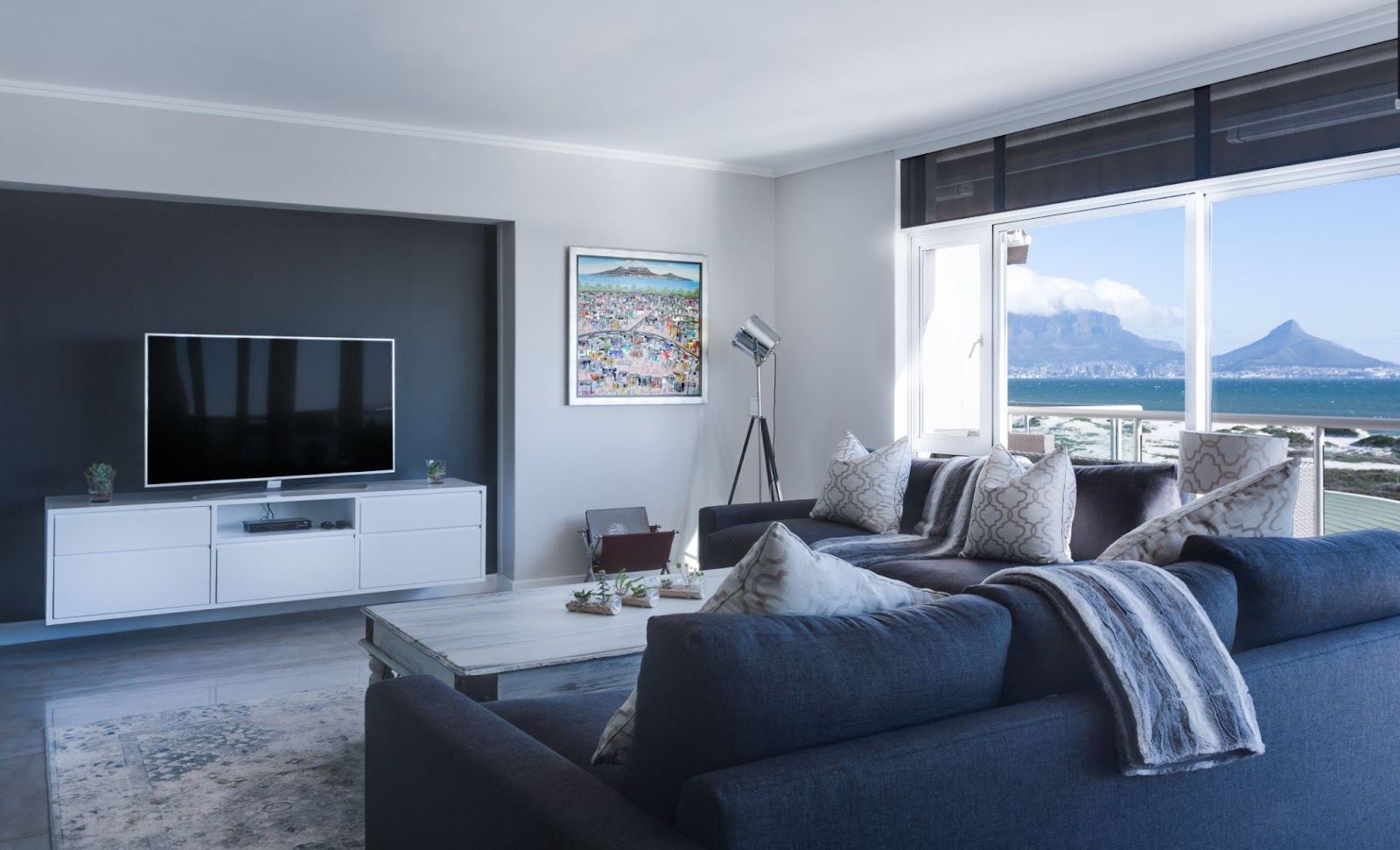
By combining textures, patterns, and statement pieces, designers can create a cohesive and visually stunning space that showcases the homeowner’s individuality and taste.
So, whether you’re a professional interior designer or a homeowner embarking on a room makeover, understanding the importance of color schemes, furniture arrangement, and interior styling is key to achieving a well-designed and harmonious space that reflects your personal style.
How to Adapt a Global Trend to Your Own Home
Good local interior design treats global trends as ingredients, not recipes. Start by identifying what draws you to a style. With Japandi, it might be the calm, natural wood; with Moroccan design, the patterned tiles and warm lanterns. Pick one or two of those signature elements and work them into your existing rooms instead of replacing everything at once.
Next, consider your home’s architecture and climate. A breezy coastal home may suit light Mediterranean textures, while a cold-climate house may call for the cozy layers of Scandinavian hygge. Choose pieces that suit how your family actually lives, including pets, kids, and cleaning time. This approach creates a space that feels current without looking like a showroom copy.
A mood board can help you stay focused. Save photos of rooms you like, then look for recurring colors, materials, and shapes rather than copying one image. Those patterns reveal your real preferences. Bring the board when shopping or meeting a professional, and use it to test whether a new piece truly fits the overall look you are building.
- Name the specific elements you love in a style
- Start with textiles, lighting, and accessories
- Respect your home’s era and architecture
- Choose durable finishes for busy family areas
Common Mistakes When Following Design Trends
The biggest mistake is investing heavily in a trend on big-ticket items that are hard to change, such as cabinetry, tile, or a sofa in a very bold color. When a look fades, those pieces can date a room quickly. Keep permanent features and large furniture fairly timeless, and bring trends in through paint, pillows, rugs, art, and lighting that are easier and cheaper to swap.
Another common problem is mixing too many styles at once, which can make a room feel cluttered rather than eclectic. Choose a consistent thread, such as a limited color palette or repeated material, to tie different influences together. Finally, remember scale: furniture that looks airy in a large magazine photo may overwhelm a smaller room, so measure carefully before you buy.
It also helps to shop slowly. Buying everything for a room in one weekend often leads to pieces that feel matched but lifeless. Live with a new layout or color for a few weeks, notice how the light changes and how the room is actually used, then add finishing pieces. Gradual choices usually produce more personal and practical results.
When to Hire a Local Interior Designer
Many homeowners handle small refreshes on their own, but a local interior designer can be worth considering for larger projects like a full renovation, an open-plan layout change, or a whole-home style update. Designers help with space planning, lighting plans, and sourcing, and they can spot costly layout mistakes before construction begins. They also tend to know local contractors, suppliers, and permit requirements.
When comparing designers, review portfolios for projects similar to yours, ask how they charge, and check whether they offer a one-time consultation, which can be a budget-friendly starting point. Fees and pricing structures vary widely by region and scope. Be clear about your budget, timeline, and how you use each room so the designer can adapt global ideas to your real needs.
Good communication makes any design project smoother. Ask how often you will receive updates, how changes are approved, and who manages ordering and deliveries. A strong local interior design professional will listen to your priorities and explain trade-offs clearly, helping you balance global inspiration with a budget and a home that suits everyday family life.
- Look for portfolio work that matches your taste
- Ask about hourly, flat, or percentage fees
- Consider a single consultation for smaller budgets
- Share how your household uses each space
Frequently Asked Questions
How can I use global design trends without my home looking dated later?
Keep expensive and permanent elements like flooring, cabinetry, and large sofas fairly classic, and introduce trends through paint, textiles, lighting, and decor. These smaller pieces are easier to change when tastes shift. Choosing a few trend elements you genuinely love, rather than everything at once, also helps a room age gracefully.
What does local interior design mean?
Local interior design refers to design work shaped by a specific area’s homes, climate, materials, and lifestyle, often done by designers based in that community. Local interior design blends broader global trends with regional needs, such as maximizing natural light, handling humidity, or respecting the style of older neighborhood homes.
How do I choose a color scheme inspired by another culture?
Start with a reference photo or object you love, then pull out two or three main colors and one accent. Test paint samples on your walls and view them in morning and evening light. Balance bold shades with neutrals so the space feels welcoming, and repeat colors in several spots to create cohesion.
Is it worth paying for an interior design consultation?
A single consultation can be a good value if you feel stuck on layout, color, or furniture choices. It gives you a professional plan you can carry out yourself at your own pace. Costs vary by region and designer, so ask upfront what the session includes and whether written recommendations are provided.
Conclusion
The impact of global trends on local interior design in the United States cannot be underestimated. By incorporating global inspiration into unique space solutions, interior designers have the opportunity to create captivating designs that are both on-trend and tailored to their client’s preferences.
Color schemes play a crucial role in interior design, and by embracing global color trends, designers can infuse their projects with a fresh and contemporary aesthetic.
Similarly, furniture arrangement is key to creating functional and visually appealing spaces. By implementing innovative furniture layouts, designers can optimize space planning and enhance the overall user experience.
Furthermore, interior styling adds the final touch to any design project. By paying attention to the finer details, such as accessories and decorative elements, designers can elevate the visual impact of a space and create a cohesive and inviting environment.
By understanding and embracing the influence of global trends on local interior design, designers in the United States can stay ahead of the curve, offering their clients designs that are not only visually stunning but also aligned with the global zeitgeist.
This fusion of global inspiration with unique space solutions ensures that local interior design remains dynamic, innovative, and in tune with the ever-changing aspirations of clients.