

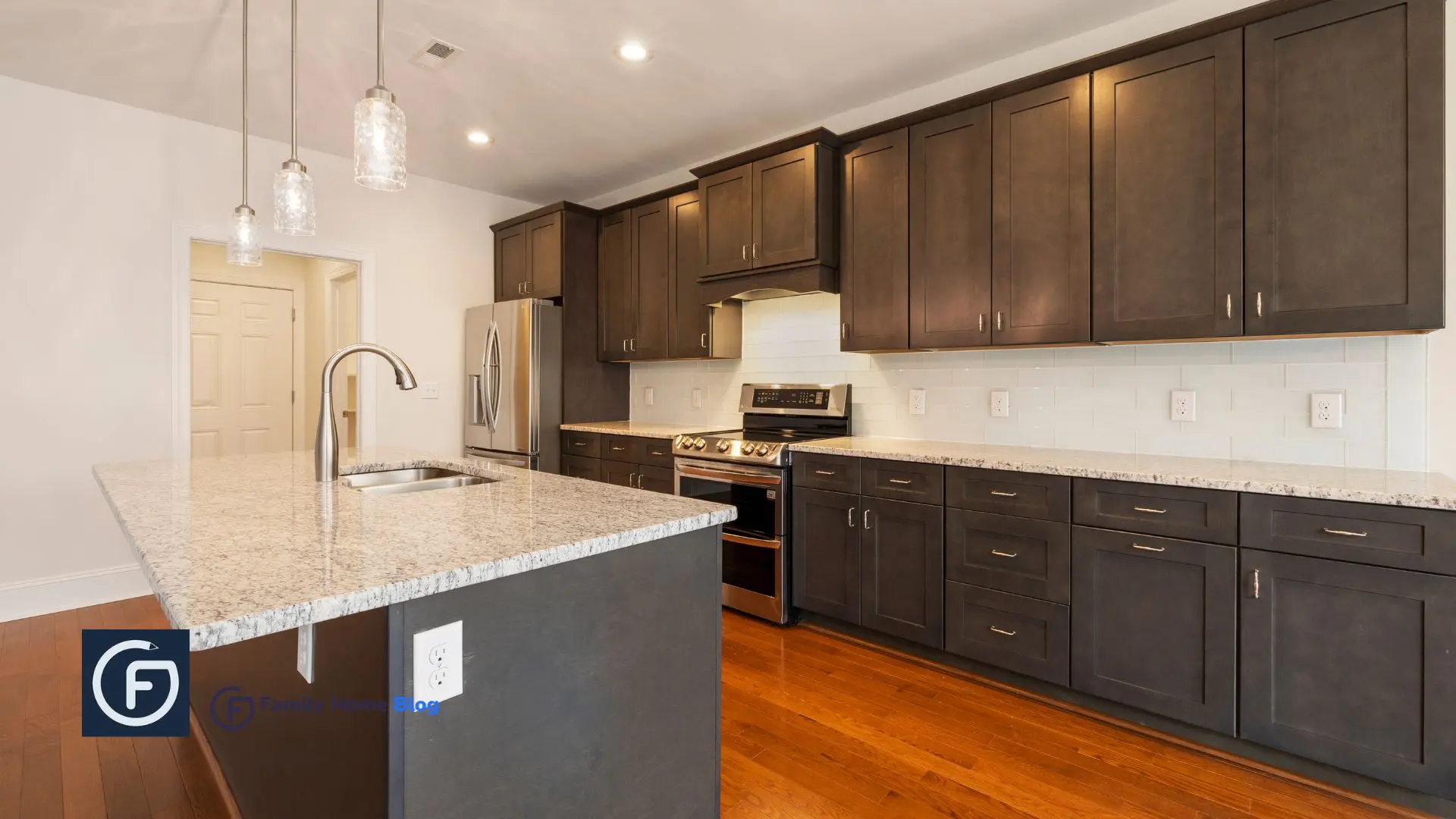
The kitchen is the focal point of any home’s design, and your chosen cabinets should reflect that. White oak cabinets have become increasingly popular because of their classic beauty, longevity, and adaptability in the kitchen. White oak cabinets have a lot going for them; this article will explain why.
Key takeaways
- Decide between plain-sawn and rift or quarter-sawn oak early, since the cut sets the grain pattern
- Order finish samples and view them in your own kitchen light at different times of day
- Budget depends mostly on cabinet construction, door style, and whether you choose stock, semi-custom, or custom
- Clean with a soft damp cloth, dry spills quickly, and touch up worn finish near sinks and handles
Natural Beauty of White Oak
White oak features a pale, almost white, hue with a subtle grain pattern that adds depth and character to your kitchen. Its light color can create a sense of space, making the kitchen feel more open and inviting.
Durability and Longevity
White oak is renowned for its remarkable durability. It is moisture-resistant, which is crucial in a kitchen where cabinets are exposed to various liquids and humidity. This hardwood also resists warping and remains structurally stable for years, ensuring your cabinets stand the test of time.
Versatility in Design
White oak kitchen cabinets offer great versatility in design. You can refinish white oak for a conventional, rustic, or contemporary appearance. It takes stains and finishes exceptionally well, allowing you to achieve the desired look, from a classic, natural finish to a trendy, gray-washed appearance.
White oak kitchen cabinets are a timeless choice for your home due to their natural beauty and versatility. You can style them to fit any kitchen design, from traditional to modern.
Here are some design options to consider when choosing white oak kitchen cabinets:
- Cabinet style: In various styles, including shaker, flat front, and raised panel, artisans can make white oak cabinets. Pick a design that flows naturally with the rest of your kitchen’s decor.
- Cabinet finish: You can stain white oak cabinets in various colors, from light to dark. You can also choose to leave the wood unfinished for a natural look.
- Hardware: Cabinet hardware can add a touch of personality to your kitchen. It’s important to select hardware that works well with the look of your cabinets.
- Backsplash: A well-chosen backsplash can make your white oak cabinets stand out. Consider using a backsplash with a contrasting color or texture to create a focal point.
Designing with White Oak Cabinets
White oak cabinets are a timeless choice for any kitchen, offering a natural warmth and beauty that complements various design styles. When designing with white oak cabinets, consider the following tips:
Choose the right finish
White oak can be given a wide range of finishes, from a straightforward, natural look to a deep, dark stain. Choose a finish that complements the kitchen’s existing design scheme. A clear finish that brings out the wood’s grain can be an excellent choice for a contemporary style. A darker coating can give your furniture a more classic appeal.
Pair white oak with complementary materials
White oak complements a broad range of kitchen finishes, from sleek stainless steel equipment to classic white subway tiling. White oak cabinets, along with other natural elements like butcher block counters and wood-beamed ceilings, provide a cozy and welcoming atmosphere.
Add pops of color
White oak cupboards provide a blank canvas against which bright accents can be shown off. Brighten up your kitchen with vibrant artwork, dish towels, and utensils.
Benefits of White Oak Kitchen Cabinets
White oak kitchen cabinets are a classic option since they offer several advantages, such as
Durability:
White oak is one of the most challenging and long-lasting woods, perfect for busy kitchens. As a result, your cabinets will retain their pristine appearance without ever needing to be refinished due to dents, scratches, or water damage.
Beauty:
Any other type of wood cannot equal the natural elegance of white oak. Its unique grain patterns and soft, light brown tones are a welcome addition to any cooking space.
Versatility:
White oak cabinets are very versatile because they may be used in both modern and classic settings. You may either leave them unfinished for a classic look or stain them to coordinate with the rest of your furniture.
Easy maintenance:
White oak cabinets are easy to clean and maintain. Wipe them down with a damp cloth and mild soap to remove dirt and grime.
Overall, white oak kitchen cabinets are a wise investment that will add beauty, durability, and value to your home.
Critical Considerations for White Oak Cabinets
Maintenance and Care
Although white oak lasts a long time, it needs frequent care if you want it to keep its stunning appearance. Maintaining a regular cleaning and sealing routine will keep the wood free from stains and scratches.
Cost
White oak cabinets are expensive initially, but they will save you money in the long term due to their durability and classic style.
Lighting
If you want white oak cabinets, but your kitchen is dark, consider the lighting. The color and grain patterns of wood might look different depending on whether you’re looking at it in natural or artificial light.
Plain-Sawn vs. Rift and Quarter-Sawn White Oak: Which Cut to Choose
The way a log is cut changes how white oak kitchen cabinets look more than most people expect. Plain-sawn oak shows the familiar cathedral arches and a lively, rustic grain. It is usually the most widely available and often the most budget-friendly cut, which makes it a natural fit for farmhouse, cottage, and traditional kitchens.
Rift-sawn and quarter-sawn oak are cut at different angles to the growth rings. Rift-sawn boards have tight, straight, linear grain that suits flat-panel and modern designs. Quarter-sawn boards show straight grain plus shimmering ray flecks, a look long associated with Craftsman style. Both cuts tend to be more stable, but they also produce less usable lumber per log, so they typically cost more.
If you cannot decide, many designers mix cuts on purpose. A common approach is rift-sawn oak on the long runs of cabinetry, where calm grain reads as clean and modern, with plain-sawn oak on an island or open shelves to add character. Whatever you choose, ask the supplier whether doors, drawer fronts, and end panels will be matched for grain and color, since noticeable variation between neighboring doors is hard to fix later.
- Plain-sawn: bold arches, casual feel, usually the most affordable
- Rift-sawn: straight, calm grain for slab doors and contemporary kitchens
- Quarter-sawn: straight grain with ray flecks for Craftsman and classic looks
- Ask for a door sample in the exact cut and finish before ordering
What Affects the Price of White Oak Cabinets
White oak cabinet pricing varies widely by region, supplier, and kitchen size, so it helps to understand what drives the number. Cabinet grade is the biggest factor: stock lines come in set sizes, semi-custom lines offer more sizes and finishes, and fully custom work is built to your exact measurements. Door style matters too, since slab doors in rift-sawn veneer and detailed raised panels involve different labor.
Box construction also changes cost. Solid wood faces paired with plywood boxes are common, while solid wood throughout is less common and pricier. Finishing is another line item, and a factory-applied finish is often more durable than one sprayed on site. Get at least two or three itemized quotes so you can compare the same features side by side instead of a single total.
To keep the budget in check, spend where hands touch every day. Sturdy drawer boxes, quality hinges, and a durable finish matter more over the years than decorative trim. You can save by choosing a simpler door profile, using white oak on visible fronts while keeping pantry interiors plain, or mixing oak base cabinets with painted uppers. Ask each supplier what is included, such as delivery, installation, and fillers, so there are no surprises.
- Cabinet grade: stock, semi-custom, or custom
- Wood cut and whether doors are solid wood or veneer
- Box material, drawer construction, and soft-close hardware
- Finish type, installation, and any trim or crown molding
Common Mistakes to Avoid When Choosing White Oak Kitchen Cabinets
One frequent mistake is choosing a stain from a small online swatch. White oak can shift toward yellow, orange, or green depending on the finish and your lighting, so always look at a full door sample on site. Another is overlooking how the oak will relate to your floors. If you have wood floors, aim for a clear contrast or a close match rather than two tones that almost, but do not quite, align.
People also underestimate how much wear happens around the sink, dishwasher, and trash pull-out. Ask your installer about a durable, water-resistant topcoat for those zones and keep a small bottle of matching touch-up finish. Finally, avoid covering every surface in oak. Breaking it up with painted island cabinets, open shelving, or stone keeps the room from feeling heavy.
Timing is one more thing to plan for. Custom and semi-custom cabinets often take several weeks to build and finish, so schedule countertop templating and appliance delivery around the cabinet install date. Before installers leave, open every door and drawer, check that reveals are even, and note any finish flaws in writing. Small adjustments are much easier to request on install day than months afterward.
Frequently Asked Questions
Are white oak kitchen cabinets worth the cost?
For many homeowners, yes. White oak is hard, stable, and takes finishes well, so well-built cabinets can last for decades and be refinished rather than replaced. The value depends on construction quality as much as the wood, so compare box materials, drawer boxes, and finishes when weighing quotes, and remember prices vary by region.
Does white oak turn yellow over time?
White oak can warm and deepen slightly with age and light exposure, and some oil-based finishes add an amber tone. If you want to keep a pale, natural look, ask about water-based or specially formulated clear finishes designed to reduce yellowing, and check a sample that has been finished the same way your cabinets will be.
What is the difference between white oak and red oak cabinets?
White oak has a cooler, tan-to-brown tone and a tighter, more closed grain, while red oak leans pinkish and has a more open, pronounced grain. White oak also resists moisture better because its pores are filled with natural structures called tyloses. The two woods take stain differently, so they rarely match side by side.
What countertop colors go best with white oak cabinets?
White and soft gray quartz, marble-look surfaces, and light granite all create a clean contrast with white oak. For a moodier look, black or charcoal counters make the grain stand out. Butcher block can work too, but choose a species and tone that clearly differs from the cabinets so the two woods do not compete.
Conclusion
White oak cabinets are a timeless and elegant choice that can transform your kitchen into a welcoming and stylish space. Their natural beauty, durability, and design versatility make them a top pick for homeowners who want a long-lasting and appealing kitchen. If you’re looking to invest in your kitchen’s aesthetic and functionality, white oak cabinets are a choice you won’t regret.


