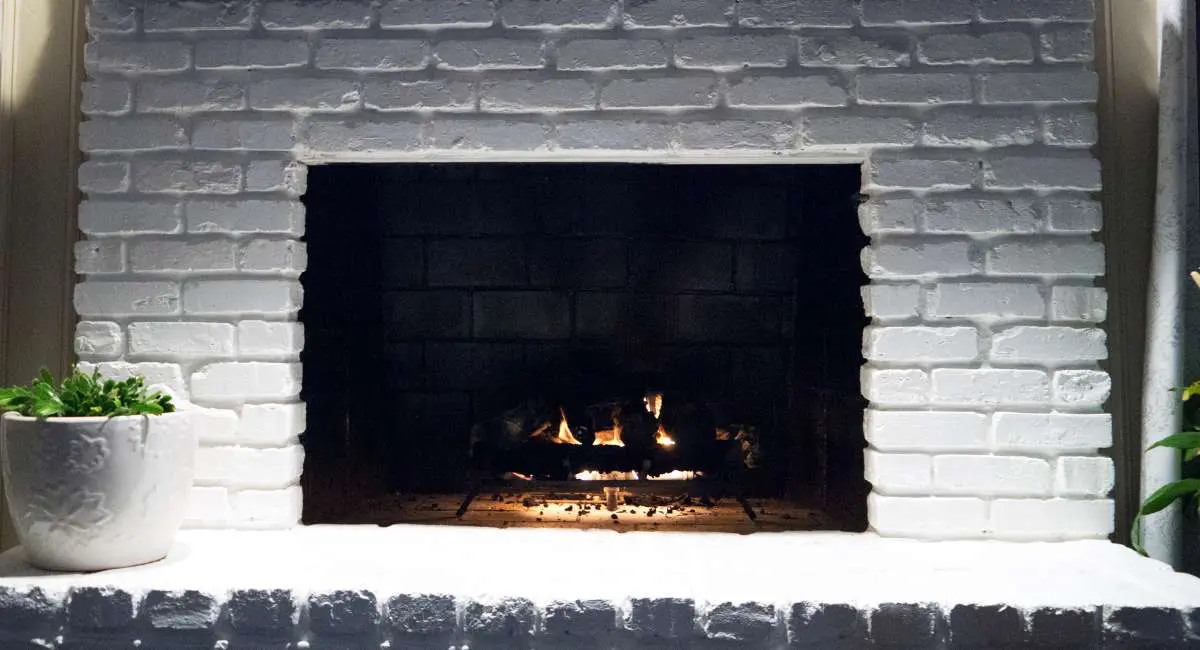
Fireplaces brick paint can make a beautiful addition to any home, creating warmth and a cozy atmosphere. However, with time they can start to look outdated or unappealing. Fortunately, it doesn’t have to stay that way! With just a few simple steps, you can use brick paint to transform your fireplace into something unique and beautiful. This article will provide tips on achieving this transformation easily and quickly.
Key takeaways
- Clean, dry, and repair mortar before painting so brick paint bonds well and lasts
- Use heat-resistant paint on the firebox area and masonry primer on porous brick
- Apply paint with a thick-nap roller and a brush to work color into mortar joints
- Painting brick is hard to reverse, so test a small area and commit only when happy
Brick Paint
When it comes to updating the look of your fireplace, brick paint is an excellent option. Whether you’re looking for a more modern aesthetic or just want to brighten up the room, painted brick can be quite striking. Not only is painting brick easy and affordable, but it also has the potential to create a dramatic effect that will add value and character to your home.
Painting a brick fireplace begins with choosing the right type of paint. Latex-based paints are best suited for masonry surfaces because they’re durable and resistant to moisture. Additionally, if you’re looking for an even coverage, opt for a semi-gloss finish so that the texture of the bricks still shows through after painting. Before beginning any work, you should also ensure that all loose debris from mortar joints is removed.
Preparing the Brick
Preparing the Brick is an essential step in any painting job. Preparation is key to a successful project, whether it’s a wall, floor, or outdoor patio area. The most important part of any preparation work on brick walls and surfaces is cleaning and degreasing the surface before applying paint.
To get started, use a putty knife or wire brush to remove dirt and debris that may have accumulated over time on the brick surface. Once that’s completed, you’ll need to clean the bricks with a pressure washer and detergent if necessary. This will help loosen up any built-up dirt or grime from the bricks so you can get them as clean as possible for painting. After washing the surface, ensure it’s completely dry before continuing with your project.
Choosing a Brick Paint

The most asked question about fireplaces is how to paint a brick fireplace? Painting a brick fireplace is a great way to update the look of your home without spending too much money. Whether you’re renovating an outdated fireplace or just looking for some painting brick fireplace ideas, there are certain things to consider when choosing the right paint.
When selecting your paint, it’s important to keep in mind the overall look and feel that you want for your space. Picking a color that will match or complement existing furnishings and decor can be tricky, but with careful consideration, you can choose one that creates balance throughout the room. Also, select paint designed specifically for masonry surfaces like brick fireplaces; regular latex paints won’t adhere properly and could cause damage down the line. Finally, don’t forget about texture!
Cleaning Up After Painting

Cleaning up after painting is a necessary part of the painting process. Whether you’re renovating a room in your home or giving an old brick fireplace a fresh look, there are tips and tricks to ensure everything goes smoothly. Painting brick fireplace ideas can be daunting, but with these ideas and techniques, you’ll get the perfect finish without making too much of a mess. Cleaning up post-painting is important to ensure that all surfaces are free from paint residue and other debris.
Start by wiping the area with wet paper towels or rags to remove any dust or particles that may have accumulated during the project. Be sure to wear protective gloves while doing this, as some paints may contain chemicals that can be harmful if touched directly.
Pros & Cons of Painting Brick
Painting brick is a popular option for homeowners who want to transform the look of their interior and exterior spaces. The ability to easily and inexpensively customize a space is an attractive prospect. Before you start painting your brick, it’s important to understand the pros and cons of this project.
On the positive side, painting brick can dramatically impact the home’s fireplaces, walls, and other surfaces. Additionally, painted brick requires minimal upkeep; it can withstand extreme temperatures once sealed with quality paint or sealer. What’s more, if you’re looking for creative painting ideas for your fireplace design, plenty of options allow you to create stunning visual effects with just a few coats of paint.
How to Paint a Brick Fireplace Step by Step
Once the brick is clean and fully dry, protect the floor, hearth, and nearby walls with drop cloths and painter’s tape. Fill any cracked or crumbling mortar with masonry patch and let it cure. Next, apply a masonry primer, which seals porous brick and helps the topcoat go on more evenly, so you use less paint overall.
Use a thick-nap roller for the brick faces and a stiff angled brush to push paint into the mortar joints. Work in small sections from top to bottom, and check for gaps from different angles, since textured brick hides missed spots. Most fireplaces need two coats. Allow the recommended drying time between coats and wait before lighting a fire.
Once the final coat is dry, remove the tape slowly at an angle to avoid peeling the fresh paint, and touch up any small gaps with a fine brush. Keep a small labeled jar of leftover paint for future touch-ups, since matching the exact color later can be difficult. Clean brushes and rollers promptly according to the paint type.
- Tape and cover the surrounding area
- Repair mortar and let it cure
- Prime with a masonry primer
- Apply two coats, brushing into the joints
Safety Considerations for Painting Around a Firebox
The outer surround of a fireplace can usually take standard interior masonry paint, but the inside of the firebox and areas right next to the opening get much hotter. For those surfaces, look for a paint specifically labeled as high-heat or heat-resistant and follow its temperature rating. Using regular paint too close to the flames can lead to blistering, peeling, or unpleasant fumes.
Ventilate the room well while painting and let the paint cure fully before using the fireplace, since lighting a fire too soon can soften the finish. If the chimney has not been inspected recently, it is a good idea to have that done before starting the project. A certified chimney professional can spot cracks, draft problems, or creosote buildup that paint would only hide. Also keep combustible items such as decor, baskets, and drop cloths well away from the firebox once you start using it again, and make sure smoke and carbon monoxide alarms in the room are working.
Painting Brick Versus Other Fireplace Makeover Options
Paint gives the boldest change, but it is not the only option. Limewash is a thin, breathable finish that soaks into brick and leaves a soft, slightly weathered look; it can often be partially removed or faded if you change your mind. Whitewash, made from diluted paint, lets some brick color show through for a more rustic effect.
Mortar washing, sometimes called German smear, involves spreading a thin layer of mortar over the bricks for an old-world texture. Staining is another choice if you want to shift the brick tone while keeping its natural look. Consider how permanent you want the change to be, how much texture you want to keep, and whether you plan to sell your home soon.
Whichever finish you choose, test it first on a small, less visible area, such as the side of the surround, and live with it for a few days in different lighting. Brick absorbs finishes differently depending on its age and texture, so a test patch is the best way to avoid surprises and make sure you love the result.
- Brick paint: bold, even color, hard to reverse
- Limewash: soft, breathable, more forgiving
- Whitewash: partial coverage, rustic look
- Masonry stain: changes tone, keeps texture
Frequently Asked Questions
What kind of brick paint should I use on a fireplace?
Use a quality interior masonry or latex paint for the fireplace surround, applied over a masonry primer. For the firebox or surfaces very close to the flames, choose a high-heat paint rated for that use. Always read the label to confirm the product is suitable for brick and the temperatures involved.
Do I need to prime brick before painting?
Priming is strongly recommended. Brick is porous and absorbs paint unevenly, so a masonry primer seals the surface, improves adhesion, and helps the topcoat look uniform. It can also block stains from soot or efflorescence, and it usually reduces the number of finish coats you need.
Can you remove paint from a brick fireplace?
It is possible, but it is often slow, messy, and rarely perfect. Chemical strippers and careful scrubbing can remove much of it, yet paint tends to stay in the pores and mortar. If you are unsure about a permanent change, consider limewash, or test paint on a small hidden area first.
How long does painted brick last?
Properly prepared and painted interior brick can look good for many years with occasional touch-ups. Longevity depends on surface prep, primer, paint quality, and how much heat and soot the area sees. Dusting regularly and wiping gently with a damp cloth helps keep the finish looking fresh.
Conclusion
In conclusion, transforming your existing fireplace with painted brick is an easy and effective way to give it a new look. The possibilities are endless whether you’re looking for a modern or classic touch. Painting your brick can also help protect it from further damage while adding insulation to keep you warm all winter. You can complete this simple project in just a few hours and it might even add value to your home if you ever decide to sell.