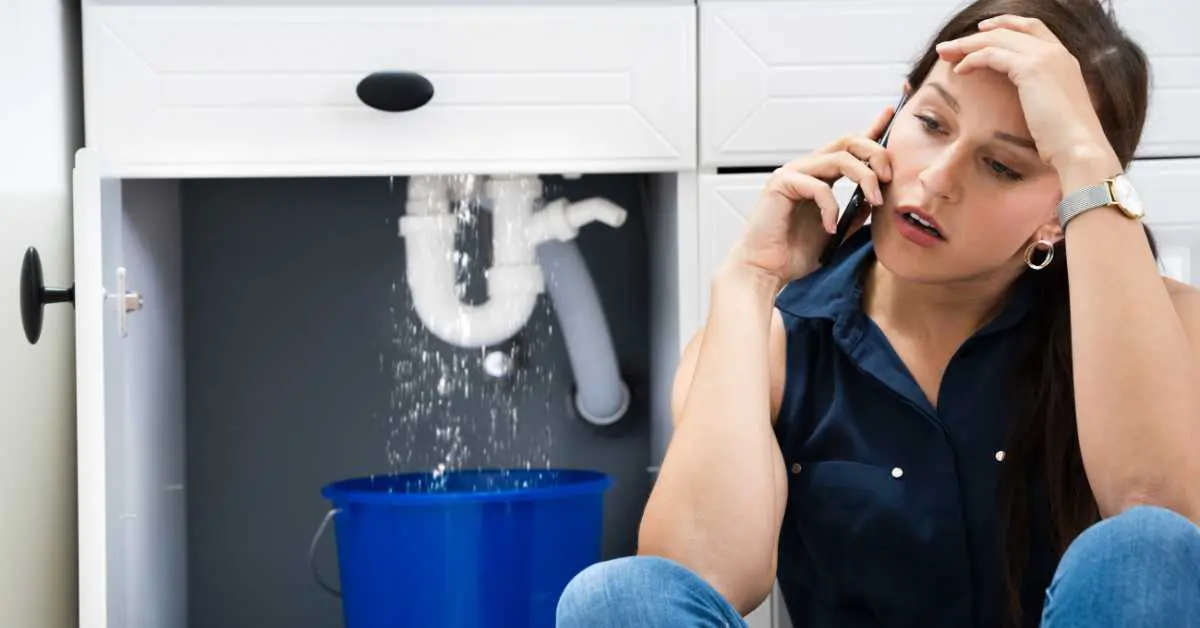
Exposed plumbing pipes—the bane of an otherwise perfect home!
Key takeaways
- Choose a hiding method based on whether pipes need regular access for repairs
- Never fully enclose shutoff valves, cleanouts, or joints without an access panel
- Use heat-safe, moisture-resistant materials near hot water lines and damp areas
- Insulate exposed pipes in cold spaces to prevent freezing and condensation
Exposed pipelines can ruin the aesthetic of a room. Whether they are in the kitchen, bathroom, or another area of your home, exposed plumbing pipes can make it difficult to create a cohesive design.
But there’s no compulsion to leave them exposed. You can hide them so the interiors of your home don’t have to suffer.
Ergo, if you want to hide those exposed pipes without having to rip out your walls, here are 11 tips you can use.
1) Hang Curtains
This is a great way to cover up exposed piping without having to use any tools or materials. Simply hang curtains around the piping and voila! You have instant coverage that also adds some decorative flair.
It is so simple that even accessing them to clear plumbing issues, such as blocked drains in Geelong, is easy.
2) Install Shelves
Installing floating shelves around exposed pipes is an easy way to both decorate and hide them at the same time. It creates a unique, modern look and can provide additional storage space as well.
It’s a win-win!
3) Paint it Over
If you are feeling creative, why not paint around the exposed pipes?
Choose a colour that matches your existing decor and get painting! You could even add designs or patterns for added effect.
You can paint your exposed pipes in two different ways. One, find a matching colour and blend them with the other interiors. Or, find a unique hue and make them stand out in a creative way.
4) Use Rope Lighting
Rope lighting is an inexpensive solution that will help disguise any exposed pipe while also adding a little bit of ambient lighting to the room. It is an especially beautiful DIY for overhead pipelines.
Plus, since rope lights come in various colours and sizes, you can find one that fits your existing decor perfectly.
5) Cover with Fabric
If curtains aren’t quite your style, then try covering up those ugly pipes with fabric instead!
There are lots of different types of fabrics available, so you should be able to find something that matches your existing aesthetic perfectly—it might even become part of the room’s design!
Also, you may knit yarn bombs for the pipes. Yes, yarn bombs need not just be for street art, but can also liven up those bare pipes. It will look cosy as well as aesthetically appropriate.
6) Add Plants
Adding plants near exposed pipes will instantly liven up any space while providing necessary coverage for unsightly plumbing fixtures.
The best part?
You can add real plants if you want, but you may also go for artificial plants that require zero maintenance.
7) Install Towel Bars
Installing towel bars around exposed plumbing fixtures will provide some extra storage space while disguising them at the same time!
Towel bars come in all different shapes and sizes, so you should be able to find one that perfectly suits your home’s needs.
8) Install Wall Art
Hanging wall art above or around exposed fixtures is a great way to distract from their presence while still adding some decorative flair to the room.
Just make sure whatever artwork you choose isn’t too large, as this could draw attention back towards those pesky pipes again!
9) Build Panels Around It
If hanging fabric or installing shelves isn’t quite enough coverage for those unsightly fixtures, then consider building panels out of wood or metal instead!
It will provide more secure coverage than fabric but may require more effort on your part since it involves nailing panels together and mounting them onto walls etc.
10) Use PVC Pipes To Make A Frame
PVC pipes are perfect for making frames around exposed fixtures because they are lightweight, inexpensive and relatively easy to work with.
Once finished, you can either paint it or leave it as-is, depending on what looks best with your existing decor/theme in mind.
Plus, once installed, these PVC frames will provide excellent coverage without sacrificing any wall space whatsoever!
11) Set Up Cabinets Under the Sink
The most obvious area to find exposed pipes is underneath the sink, be it in the bathroom or kitchen. It diminishes the neatness of the home.
But you improve it by installing cabinets under the sink, which conceals those pipelines. Your emergency plumber in Geelong can access the pipes whenever needed through this cabinet. Otherwise, they will be well hidden behind it.
Also, the cabinet does not have to be plain and boring. You have various types of cabinets available on the market, and if you wish, you can get creative with them too.
Conclusion
Exposed plumbing fixtures do not have to be an eyesore. There are plenty of ways to hide them without breaking the bank or tearing down walls!
From hanging curtains and installing shelving units, to using rope lighting and painting over them—all these ideas offer great solutions for concealing those pesky plumbing problems. The bonus here is creating something unique out of nothing.
So if you are looking for ways to spruce up an otherwise drab area, then try out one (or all) of these tips today—you’ll never look back!
Further, ensure that your pipes are in working condition. Because if you find any issues after putting so much effort into upgrading, it will be a disappointment. Talk to your plumber and make sure everything is okay.
You may as well keep Your Local Plumbing, Geelong’s plumbing company, in mind. When there is an emergency or unable to reach your regular plumber, you can get in touch with YLP. It has experts in various areas, from heating systems to roof plumbers in Geelong. So, are you going to DIY or use store-bought items?
How to Box In Plumbing Pipes Step by Step
A simple box enclosure is one of the cleanest ways to hide vertical or horizontal plumbing pipes along a wall. Start by measuring the pipe run and marking where the box will sit, leaving at least an inch or so of clearance around the pipes. Build a light frame from wood furring strips or metal studs, fastening it to the wall or ceiling rather than to the pipes themselves.
Cover the frame with moisture-resistant drywall, plywood, or MDF, depending on the room. In bathrooms and kitchens, choose materials rated for damp conditions. Before closing it up, plan an access panel over any valve, joint, or cleanout. Finish by sealing edges, priming, and painting to match the wall so the box looks like part of the room.
If you are not comfortable with carpentry, prebuilt pipe covers and decorative column wraps are available at many home centers and can be cut to length. For horizontal pipes near the floor, a hollow baseboard-style cover can work well. Whatever you choose, double-check that the enclosure does not press against the pipes, since pipes expand slightly with heat and vibration can loosen tight-fitting covers.
- Measure the run and mark the box outline
- Build a frame fixed to walls, not pipes
- Add removable access panels at valves and joints
- Prime, caulk, and paint to blend in
Common Mistakes When Hiding Exposed Pipes
The most frequent mistake is sealing pipes away so completely that nobody can reach them. When a leak happens, a permanent cover may have to be cut open, adding cost and mess. Always keep shutoff valves, cleanouts, and threaded joints accessible with a hinged door, removable panel, or magnetic cover.
Another mistake is ignoring heat and moisture. Hot water lines can warm nearby fabric or plastic, and cold pipes can sweat and drip, leading to mold behind covers. Leave some airflow, use heat-tolerant materials, and consider foam pipe insulation before enclosing anything. Also avoid hanging heavy shelves or towel bars directly on pipes, since they are not designed to carry weight and joints can loosen over time.
Finally, check local codes before enclosing certain lines. Gas pipes, water heater vents, and some drain cleanouts have rules about clearance and access, and covering them improperly can create safety hazards or inspection problems. When in doubt, ask a plumber or your local building department what is allowed before you build around anything other than ordinary water supply and drain lines.
- Leave access to valves and cleanouts
- Keep covers clear of hot water lines
- Allow airflow to prevent mold
- Never hang weight directly on pipes
Insulating and Protecting Pipes Before You Cover Them
Hiding pipes is a good opportunity to protect them. Foam pipe sleeves are inexpensive at most hardware stores and simple to install: measure, cut to length, and slip them over the pipe, sealing seams with the built-in adhesive or tape. Insulation reduces condensation on cold lines, helps hot water arrive warmer, and lowers the risk of freezing in unheated spaces like garages and crawlspaces.
Before insulating, check the pipes for green or white crusty deposits, rust spots, or slow drips, which suggest corrosion or a loose fitting. It is far easier to fix those problems while the pipes are still exposed. If you find signs of widespread corrosion or leaks, have a plumber look at them before you build anything around them.
- Check for drips and corrosion first
- Use foam sleeves sized to the pipe diameter
- Seal seams and cover elbows and tees
- Keep insulation clear of gas lines and flue pipes
Frequently Asked Questions
Is it safe to cover pipes with wood?
Yes, covering pipes with wood is generally safe as long as you leave access points and allow some airflow. Use moisture-resistant or sealed wood in kitchens and bathrooms, keep a small gap between the wood and hot water lines, and never enclose gas lines or flue pipes without checking local codes.
How do I hide pipes under a bathroom sink?
The easiest ways to hide pipes under a bathroom sink are a vanity cabinet, a fabric sink skirt, or a slim storage unit built around the drain. Choose an option that lifts off or opens easily, because you will need to reach the trap and shutoff valves for cleaning and repairs.
Can I paint exposed pipes?
You can paint most exposed copper, steel, and PVC pipes. Clean and lightly sand the surface, apply a primer suited to the material, then use a paint that tolerates heat on hot water lines. Avoid painting over valves, labels, or moving parts, and let pipes cool fully before starting.
Should exposed pipes be insulated before hiding them?
Insulating exposed pipes before hiding them is usually a good idea. Foam sleeves reduce condensation that can cause mold behind covers, help keep hot water warm, and protect against freezing in cold areas. It is quick, low-cost work that is much harder to do once pipes are boxed in.