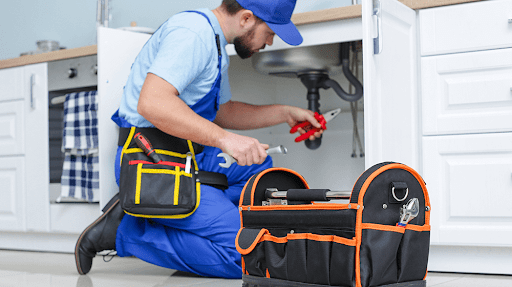
We all know what a plumber is and what they do. Plumbing contractors are a little different, and knowing how will help you hire the right one.
Key takeaways
- Hire a plumbing contractor for renovations, relocated fixtures, sewer work, and permit-heavy jobs
- Ask about licensing, insurance, permits, and warranties before signing anything
- Compare written quotes line by line instead of choosing the lowest number
- Clear the work area and plan for water shutoffs before the job starts
Did you know that plumbing contractors Perth are different from a standard plumber?
They learn a lot of the same skills and can perform many of the same jobs — but a contractor can do more.
Read on to learn what a plumbing contractor is, why you should call them for plumbing repairs Perth, and how to find the best one.
Contractor Versus Standard Plumber
In many ways a plumbing contractor is the same as a plumber who works for a plumbing company.
- A contractor is different, though.
- Contractors have to go through additional testing, licensing, and training to call themselves contractors or perform the job as one.
- They are authorized to supervise teams of plumbers.
- The main jobs of a contractor are to supervise, make and read plans or blueprints, and plan for as well as acquire any needed permits.
- They have special skill sets that allow them to be better suited to work on any aspect of the plumbing system — especially if permits may be needed or there is extensive work to be done.
Reasons to Call a Contractor
The top reason to call plumbing contractors Perth is when you want to do renovations in your home.
- This can include relocating plumbing appliances, piping, or fixtures.
- If you are adding to or changing your sewage system, you should call a contractor to draw up the plans and ensure they are followed.
- Another good reason to call a contractor is if you have a difficult plumbing issue, such as no water pressure or no water at all.
- These issues may indicate a complication within the plumbing system, which a contractor can find easier by looking over the plans to see where blockages may be.
- If you see rusty colored water coming from your taps in the shower or sink, you may have rusted pipes.
- A plumbing contractor can ensure that the pipes are replaced with the correct type and that the system is up to code.
Finding the Best Contractor
When you need a professional plumbing contractor, do your research to find the best one.
- Ask family, friends, or neighbors who they use.
- Shop around.
- Ensure the contractor has the proper license, certifications, and experience for the job.
- Discuss, in detail, what you need done, the size of the project, and any other details you can think of.
- Ask for a consultation to determine what actually needs to be done, how long the job may take, and an estimate of costs to complete the job.
Questions to Ask Plumbing Contractors Before You Hire
A short conversation before hiring can save a lot of stress later. Start by confirming that the contractor holds the license required in your area and carries liability insurance, so you are not responsible if someone is injured or property is damaged during the job. Ask how long they have been doing projects similar to yours and whether they can share references from recent customers.
Next, ask who will actually do the work. Many plumbing contractors supervise teams, so find out whether licensed plumbers will be on site and who your main point of contact will be. Clarify whether the contractor will handle permits and inspections, and how they will communicate if they find unexpected problems behind walls or under floors.
Finally, ask about warranties on both parts and labor, and get the answer in writing. Find out how long the workmanship guarantee lasts, what it covers, and how quickly the contractor responds if something goes wrong after the job is finished. A clear written agreement that lists scope, timeline, payment schedule, and warranty terms protects both you and the contractor.
- Are you licensed and insured for this type of work?
- Will you pull the permits and schedule inspections?
- Who will be on site each day?
- What warranty covers parts and workmanship?
Understanding Plumbing Quotes and What Drives the Cost
Plumbing costs vary widely by region, the age of the home, and the scope of work, so written quotes are the best way to compare. Ask for at least two or three, and make sure each one covers the same scope. A good quote lists materials, labor, permit fees, any demolition or wall repair, and cleanup, along with an estimated timeline.
Several factors tend to push costs up. Moving fixtures to a new location, replacing old galvanized or corroded pipes, working in tight crawl spaces, and connecting to sewer lines usually take more time and materials. Older homes can also hide surprises, so ask how the contractor handles changes and whether extra work needs your approval first.
Be cautious with a quote that is far lower than the others. It may leave out permits, use lower-grade materials, or rely on costly change orders later. Clear payment terms tied to progress are a good sign, while a request for full payment before work begins is a reason to pause. Ask questions until every line item makes sense.
How to Prepare Your Home for a Plumbing Renovation
Good preparation helps the job run smoothly and protects your belongings. Clear the work area of furniture, rugs, and anything stored under sinks or near the water heater. Make sure the crew has easy access to the main water shutoff, the electrical panel if needed, and any crawl space or basement areas they will work in.
Talk with the contractor about when the water will be off and for how long, then plan around it. Fill a few jugs with drinking water, schedule laundry and showers ahead of time, and let everyone in the household know. If a bathroom or kitchen will be out of use for several days, set up a temporary space for washing up.
Keep kids and pets away from the work zone, since open trenches, tools, and cut pipes can be hazardous. Ask the crew where they will stage materials and how they will protect floors. Once the work is complete, run each tap and flush each toilet, check under sinks for drips, and keep inspection sign-offs with your home records.
- Clear the work area and protect nearby floors
- Confirm water shutoff dates and times
- Store drinking water for the outage
- Keep children and pets out of the work zone
Frequently Asked Questions
What is the difference between plumbing contractors and regular plumbers?
Both are trained in plumbing, but a contractor typically holds additional licensing that allows them to take on larger projects, supervise other plumbers, read and create plans, and obtain permits. For routine repairs a plumber is usually enough, while renovations, fixture relocation, and sewer work are better suited to a contractor. Licensing rules vary by location.
Do I need a permit for plumbing work?
Many jobs do. Renovations, moving fixtures, replacing water heaters, and sewer line work often require a permit and inspection, while simple repairs like fixing a leaking faucet usually do not. Rules differ by city and region, so check with your local building department or ask your contractor, who normally handles the permit process.
How can I tell if a plumbing quote is fair?
Compare several written quotes that cover the same scope of work. A fair quote clearly lists materials, labor, permits, and cleanup, and explains how unexpected problems will be handled. If one price is far lower or higher than the rest, ask why. Prices vary by region, so local comparisons matter more than national averages.
What are warning signs of an unreliable contractor?
Be wary of anyone who cannot show a valid license or insurance, asks for full payment up front, refuses to provide a written quote, or suggests skipping permits to save money. High-pressure sales tactics and vague answers about timelines are also red flags. Reliable contractors are usually happy to answer questions and share references.