


Your lawn is one of your property’s most valuable assets. It enhances curb appeal, provides a safe space for family activities, and significantly contributes to your home’s overall value. However, beneath that lush green surface, a hidden enemy might be working silently to destroy your investment: white grubs. These destructive pests can turn a beautiful lawn into a patchy, damaged eyesore in a matter of weeks if left unchecked.
Understanding how to identify, prevent, and treat grub infestations is essential for every homeowner in the Charlotte, NC area. Professional grub control service from experienced lawn care providers like Hyatt Landscaping can make the difference between a thriving, healthy lawn and one plagued by unsightly brown patches and costly damage. Whether you’re dealing with an active infestation or looking to protect your turf proactively, comprehensive grub management should be a priority in your lawn care routine.
What Are Grubs and Why Should Charlotte Homeowners Care?
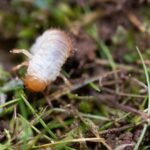
Grubs are the larval stage of various beetle species, including Japanese beetles, June bugs, and European chafers. These C-shaped, creamy-white larvae live beneath the soil surface, feeding voraciously on grass roots during their development. While a few grubs in your lawn are normal and generally harmless, populations exceeding five to ten grubs per square foot can cause devastating damage to your turf.
The Charlotte area experiences significant grub problems every year due to our climate and beetle populations. These pests don’t discriminate—they can affect any type of turf grass, though some varieties are more susceptible than others. The damage they cause goes beyond aesthetics; severe infestations can require expensive lawn restoration, including reseeding, sodding, and intensive fertilization to bring your yard back to health.
Recognizing the Warning Signs of Grub Damage
Early detection is crucial when dealing with grub infestations. The sooner you identify a problem, the easier and less expensive it will be to address. Here are the most common indicators that grubs may be feeding on your lawn:
Irregular Brown Patches: Unlike drought stress or disease, grub damage typically appears as scattered brown areas that don’t respond to watering. These patches often expand as the grub population grows and continues feeding.
Spongy Turf: When you walk across affected areas, the ground may feel soft and spongy underfoot. This occurs because the grass roots have been severed, creating air pockets beneath the surface.
Easy Turf Removal: Healthy grass has a strong root system that anchors it firmly to the soil. Grub-damaged turf pulls up easily, like a loose carpet, because the roots have been destroyed. You can literally roll back sections of affected grass.
Visible Larvae: If you dig up a small section of damaged turf and examine the soil beneath, you may find the grubs themselves. These creamy-white, C-shaped larvae are typically found in the top few inches of soil.
Increased Animal Activity: Birds, raccoons, and skunks love to feast on grubs. If you notice these animals digging up your lawn, pecking at the grass, or creating holes and tears in your turf, it’s often a sign that a grub population is attracting them. Unfortunately, while these animals are trying to help by eating the grubs, they often cause additional damage to your lawn in the process.
The Grub Life Cycle: Timing Your Treatment for Maximum Effectiveness
Understanding the grub life cycle is essential for implementing an effective control strategy. In North Carolina, beetles typically lay their eggs in the soil during late spring and early summer. These eggs hatch into tiny larvae that begin feeding on grass roots almost immediately.
Throughout late summer and fall, grubs feed intensively, growing larger and causing the most damage during this period. As temperatures drop in late fall, grubs burrow deeper into the soil to overwinter. In spring, they migrate back toward the surface, feed for a short period, and then pupate into adult beetles, which emerge to repeat the cycle.
This life cycle creates two critical windows for treatment:
Preventative Treatment Window (Late Spring to Early Summer): Applying preventative treatments before eggs hatch can reduce grub populations by seventy-five to one hundred percent. In North Carolina, the optimal time for preventative applications is typically early May through mid-June. These products are absorbed into the root zone, creating a barrier that kills newly hatched grubs before they can establish and cause damage.
Curative Treatment Window (Late Summer to Early Fall): If you’ve already noticed grub damage, curative treatments applied when grubs are actively feeding can eliminate existing infestations. These treatments are most effective in August through September when grubs are small to medium-sized and feeding near the soil surface.
Preventative vs. Curative Grub Control: Choosing the Right Approach
Both preventative and curative grub control treatments have their place in lawn management, and the best choice depends on your specific situation.
Preventative Grub Control Treatments
Preventative treatments are the most cost-effective and efficient way to protect your lawn. These applications work by creating a protective barrier in the soil that kills grubs as they hatch and begin feeding. The key advantages of preventative treatments include:
- Higher effectiveness rates (75-100% reduction in grub populations)
- Prevention of lawn damage before it occurs
- More environmentally friendly, as they target only the pest
- Cost-effective compared to treating damage and restoring turf
- Peace of mind throughout the growing season
Preventative treatments are ideal for homeowners who have experienced grub problems in the past, have neighbors with grub issues, or simply want to protect their investment proactively. These treatments are typically applied in late spring to early summer, well before damage becomes visible.
Curative Grub Control Treatments
Curative treatments are designed to eliminate existing grub infestations after damage has begun. While generally less effective than preventative products (they don’t achieve the same population reduction percentages), curative treatments are necessary when:
- Grub damage is already visible in your lawn
- You’ve confirmed an active infestation through soil inspection
- Preventative windows have passed
- You need immediate action to stop ongoing damage
Curative insecticides like carbaryl and trichlorfon work quickly to kill grubs at all life stages. These treatments are most effective when applied during the grubs’ peak feeding period in late summer to early fall. However, it’s important to note that curative treatments only stop the damage—they don’t reverse it. Damaged areas will require additional care to recover.
The Critical Role of Professional Lawn Care in Grub Management
While DIY grub control products are available at garden centers, professional lawn care services offer distinct advantages that can make the difference between success and failure in managing these pests.
Professional technicians have the expertise to accurately diagnose grub problems, distinguishing them from other lawn issues like disease, drought stress, or nutrient deficiencies. They understand the specific grub species common to the Charlotte area and can tailor treatments accordingly. Moreover, they have access to professional-grade products that are often more effective than consumer options.
Timing is everything in grub control, and professionals monitor environmental conditions and grub development to apply treatments at the optimal moment for maximum effectiveness. They also understand how to properly calibrate application equipment to ensure even coverage and appropriate dosing.
Perhaps most importantly, professional grub control is typically integrated with comprehensive lawn care programs that create the healthiest, most resilient turf possible. A healthy lawn can tolerate a moderate grub presence without visible damage, while weak or stressed turf succumbs to even small populations.
Building a Resilient Lawn: Beyond Grub Control
Grub control is just one component of maintaining a beautiful, healthy lawn. The most effective approach combines targeted pest management with overall turf health strategies:
Regular Fertilization: Properly fertilized grass maintains strong root systems that can better withstand pest pressure and recover from minor damage. Professional fertilization programs deliver nutrients at the right times and in the right amounts for your specific grass type.
Core Aeration: This service relieves soil compaction, improves water and nutrient penetration, and strengthens root development. Healthier roots mean more resilient turf that can better handle grub feeding.
Overseeding: Introducing new grass varieties can improve turf density and fill in thin areas where grubs or other stresses have caused damage. Thick, vigorous turf is more competitive against pests and weeds.
Proper Watering and Mowing: Consistent watering schedules and appropriate mowing heights promote deep root growth and strong, healthy grass. Well-maintained lawns are less attractive to egg-laying beetles and more capable of recovering from damage.
Weed Control: Weeds compete with grass for resources, weakening your turf and making it more susceptible to pest damage. Integrated weed control keeps your lawn thick and competitive.
Why Grub Problems Persist in Charlotte and What You Can Do
The Charlotte metropolitan area, including Matthews, Mint Hill, Weddington, Harrisburg, and surrounding communities, experiences persistent grub problems due to several factors. Our moderate climate provides ideal conditions for beetle reproduction, and our predominantly fescue lawns are particularly attractive to egg-laying beetles.
Additionally, residential neighborhoods with mature trees and ornamental plants provide abundant food sources for adult beetles, encouraging large populations to remain in the area year after year. Once grubs become established in a neighborhood, they tend to persist unless homeowners take proactive control measures.
The good news is that with proper management, you can break this cycle. Consistent preventative treatments, combined with a comprehensive lawn care program, can dramatically reduce grub populations on your property and minimize the risk of damage.
Taking Action: Protecting Your Lawn Investment
If you suspect grub damage or want to prevent these destructive pests from attacking your lawn, the time to act is now. Professional grub control services provide the expertise, products, and timing necessary to effectively manage these pests and protect your property value.
Whether you need preventative treatments to stop grubs before they start, curative treatments to eliminate an active infestation, or a comprehensive lawn care program to build long-term turf health and resilience, experienced professionals can customize a solution for your specific needs.
Don’t let these hidden destroyers undermine your lawn care efforts and property value. With the right approach and professional support, you can enjoy a lush, healthy, grub-free lawn throughout the growing season. Your lawn is an investment worth protecting, and comprehensive grub control is an essential part of that protection strategy.
The difference between a lawn plagued by grub damage and one that remains healthy and beautiful often comes down to proactive management and professional expertise. By understanding the threat grubs pose, recognizing warning signs early, and implementing timely treatments, you can ensure your Charlotte-area lawn remains the envy of the neighborhood, season after season.