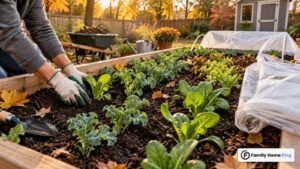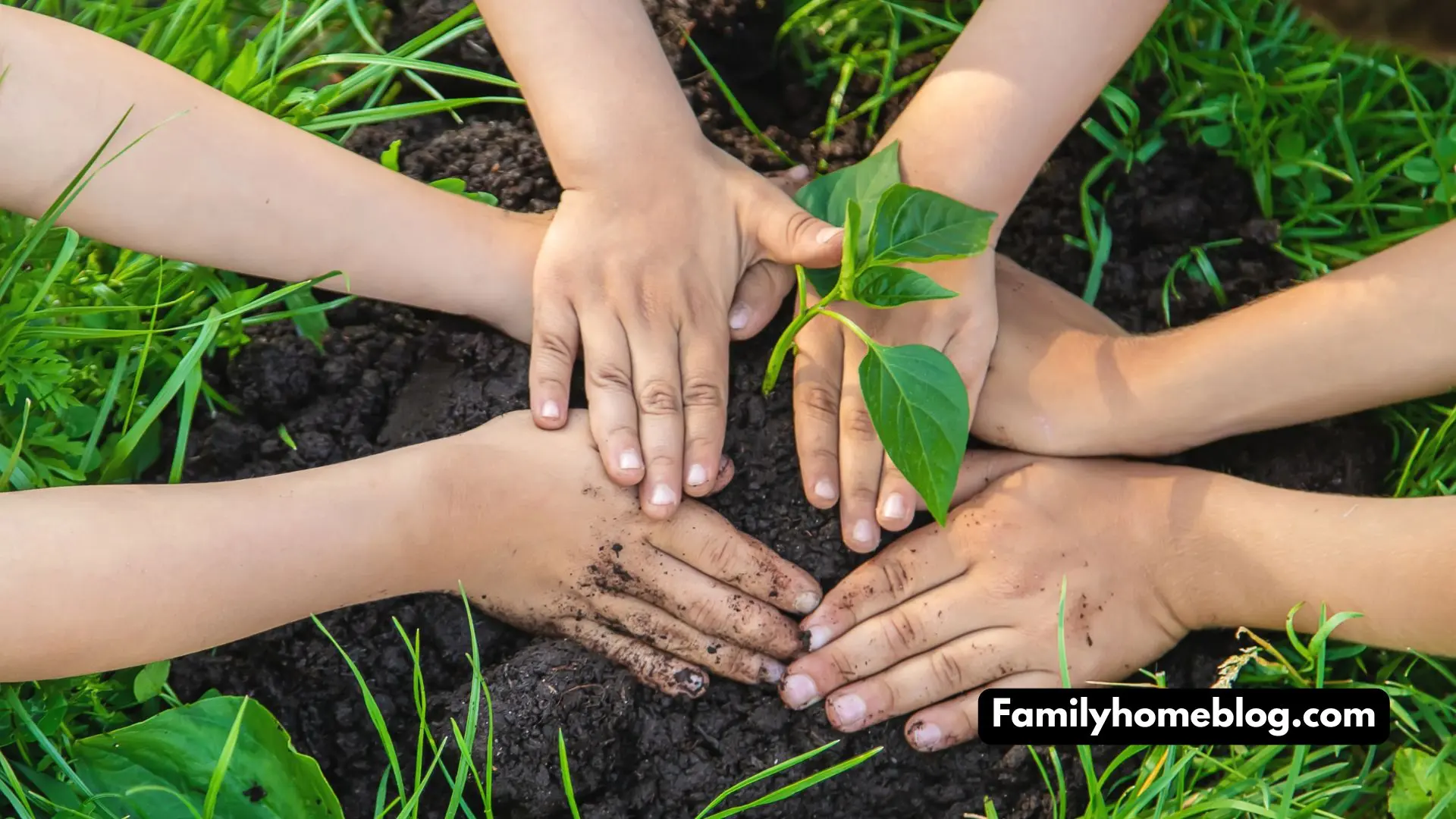
Spring offers a perfect chance to enjoy the outdoors with your kids through gardening. This beloved activity combines fun and education, introducing children to nature and the joy of nurturing plants. Using Keter’s full line of garden sheds, you can keep your supplies tidy, making it easier to focus on spending quality time with your children. Gardening can become a cherished family tradition, allowing everyone to learn and grow together.
Key takeaways
- Match gardening tasks to your child’s age so jobs feel fun rather than frustrating
- Choose non-toxic plants and store fertilizers and sharp tools out of reach
- Containers and raised beds make gardening with kids possible even on small patios
- Fast-growing seeds like radishes and sunflowers keep young gardeners motivated
Benefits of gardening with kids
Gardening offers countless benefits for kids, beyond just getting their hands dirty. It provides a living science lesson about plant life cycles, sparking curiosity and a love for nature. Additionally, gardening helps develop essential life skills such as responsibility and patience. Tending to plants requires regular attention and teaches kids the value of nurturing and perseverance. It can also be a great way to promote physical activity and spend time outdoors, contributing to overall well-being. Kids learn to appreciate the process and understand that effort leads to growth and beauty in their garden.
Choosing kid-friendly plants
Selecting plants for your child’s garden can be exciting and straightforward if you choose varieties that are easy to grow and maintain. Consider vibrant options like sunflowers, marigolds, and zinnias, which are colorful and hardy. Aromatic plants like lavender or mint can engage their sense of smell, making the gardening experience more immersive. Consider plants with interesting textures, such as lamb’s ears or fuzzy caterpillars. These tactile elements can be especially captivating for young gardeners. You can sustain their interest and enthusiasm in gardening by focusing on visually and aromatically appealing plants.
Gardening tools for kids
Providing children with the right gardening tools can significantly enhance their gardening experience. Opt for lightweight and manageable tools like small trowels, rakes, and watering cans explicitly designed for young hands. These tools should be durable yet easy to handle, ensuring kids can participate without frustration. Kid-sized gloves are essential for protecting their hands and can make them feel more like genuine gardeners. Personalizing the tools with bright colors or their names can add an extra layer of excitement and ownership. Also, consider incorporating small wheelbarrows for transporting soil or plants, making them feel involved in more substantial tasks. Choosing safe tools and avoiding sharp edges or heavy materials that could pose a risk are essential. Providing various tools can keep the activities diverse and engaging, allowing children to explore different aspects of gardening with confidence and enthusiasm.
Fun gardening activities
Gardening with kids can be fun if you incorporate engaging activities. Start with simple tasks like planting seeds or watering the plants. For more creativity, involve them in projects like making colorful garden markers or designing a small garden space with stepping stones or fairy houses. These creative touches allow kids to express themselves and take pride in their garden’s appearance. You could also introduce scavenger hunts to identify different plants and insects, adding an element of adventure. Another fun idea is to create a themed garden, such as a butterfly or sensory garden, to keep their interest alive. These activities will keep children entertained and invested in their gardening efforts.
Creating a kid-friendly gardening space
A safe and accessible garden area is crucial for your children’s enjoyment and safety. Choose a spot easily reachable for little ones, ensuring it’s free of hazards. You can organize tools and supplies efficiently, creating a clutter-free environment. A well-organized space enhances safety and allows children to easily find the necessary tools and supplies for their gardening projects. Consider adding child-sized benches or tables for potting plants and working on garden crafts. Incorporate pathways with stepping stones or soft mulch to guide their exploration and keep them on safe routes. Designating specific areas for different activities, such as planting, watering, and playing, can also help manage space and keep things orderly. Ensure the area has sunny and shaded spots so kids can enjoy gardening comfortably throughout the day.
Encouraging exploration and curiosity
Encourage your kids to explore the garden and ask questions about the plants and insects they encounter. Equip them with these walking baby shoes so they can safely wander the garden without worries of slipping or discomfort. Introducing simple tools like magnifying glasses can make the exploration even more exciting, allowing them to get a closer look at tiny bugs and intricate plant details. Create small discovery areas with interesting plants or hidden objects for them to find. You can also introduce fun, educational activities like starting a garden journal where they can record their observations and draw pictures of what they see. These activities will keep them engaged, help develop their observational skills, and foster a sense of wonder about the natural world.
Gardening with your children offers a wonderful opportunity to teach them about nature, responsibility, and the rewards of patience. As they watch their plants grow and bloom, they’ll experience the joy of nurturing and the beauty of their hard work. This shared activity strengthens family bonds and instills a sense of accomplishment and appreciation for the environment. You help them develop valuable skills and a love for the outdoors by involving them in various gardening tasks. Embrace the seasonal changes together and enjoy the journey of discovery that each gardening session brings.
Age-by-Age Gardening Tasks for Kids
Matching jobs to your child’s age keeps gardening fun instead of frustrating. Toddlers and preschoolers love simple, sensory tasks like digging, filling pots with soil, pressing large seeds into the ground, and watering with a small can. Keep sessions short and expect some mess, since exploring the dirt is part of the fun at this stage.
School-age children can take on more responsibility, such as measuring seed spacing, pulling weeds, labeling rows, and tracking growth in a journal. Tweens and teens may enjoy planning their own bed, researching which vegetables grow best locally, or building a simple trellis with adult help. Giving older kids real ownership of a plot often keeps them interested all season long.
Whatever the age, praise effort rather than perfect results. Seeds that fail to sprout or plants eaten by bugs are part of gardening and offer good lessons in patience and problem-solving. Letting kids make small mistakes, such as planting too close together, often teaches them more than doing it perfectly for them.
- Ages 2 to 5: digging, filling pots, watering
- Ages 6 to 9: planting rows, weeding, labeling
- Ages 10 and up: planning beds and tracking harvests
- Teens: building supports and managing a plot
Safety Basics for Children Gardening at Home
A little preparation keeps children gardening safely. Before planting, learn which plants in your yard may be toxic if eaten, and avoid adding them to areas where young kids play. Teach children never to eat berries, mushrooms, or leaves unless an adult says they are safe. Store fertilizers, pest sprays, and sharp tools in a locked shed or high cabinet.
Sun protection matters too. Plan outdoor sessions for the morning or late afternoon, and have kids wear hats, sunscreen, and closed-toe shoes. Keep water bottles handy and take breaks in the shade. Always have children wash their hands after handling soil, and consider organic or natural pest control methods in areas where kids dig and harvest.
Show kids how to use tools safely by carrying trowels and rakes with the points down and putting them away after each session. Kid-sized gloves protect small hands from thorns, splinters, and insects. If your child has known allergies to insect stings or certain plants, talk with your pediatrician about precautions before spending long hours outdoors.
Container Gardening for Families With Little Space
You do not need a big backyard to grow a garden with kids. Containers, window boxes, and small raised beds work well on patios, balconies, and porches. Choose pots with drainage holes and fill them with quality potting mix rather than garden soil. Kids can decorate plain pots with paint or stickers, which gives them a sense of ownership from the start.
Fast-growing crops like radishes, lettuce, bush beans, and cherry tomatoes are ideal for containers and give quick results that keep children motivated. Herbs such as basil and chives are also easy and fun to taste. Place containers where they get plenty of sun, and remind kids to check soil moisture daily, since pots dry out faster than garden beds.
Containers also make it easy to move plants around as the sun shifts or bad weather arrives. Group pots together so watering is quick, and use a small watering can your child can manage alone. At the end of the season, let kids help empty pots, compost old plants, and plan what they want to grow next spring.
- Use pots with drainage holes
- Fill containers with fresh potting mix
- Start with radishes, lettuce, or herbs
- Check soil moisture every day
Frequently Asked Questions
What age can children start gardening?
Children can start simple gardening activities as toddlers, usually with close supervision. At this age, digging, watering, and planting large seeds work well. As they grow, kids can take on tasks like weeding, measuring, and tracking plant growth. The key is matching the activity to their abilities and attention span.
What are the easiest vegetables for kids to grow?
Radishes, lettuce, snap peas, bush beans, cherry tomatoes, and zucchini are among the easiest vegetables for kids. Many sprout quickly and produce harvests within weeks, which helps children stay excited. Sunflowers and pumpkins are also popular because they grow large and give kids a dramatic result to watch.
How do I keep my kids interested in gardening?
Give children their own plot or container, let them choose some of the plants, and pick fast-growing varieties for quick results. Add fun elements like garden markers, scavenger hunts, and growth charts. Cooking or eating what they harvest is especially motivating, as it shows children the reward of their hard work.
What are the benefits of children gardening?
Gardening regularly can build patience, responsibility, and curiosity about nature. It encourages time outdoors and physical activity, and it offers hands-on lessons about plant life cycles and where food comes from. Many kids also become more willing to try vegetables they have grown themselves.