Large planter pots are an essential addition to any garden or landscape, offering both functional and aesthetic benefits. Whether you’re looking to create a striking focal point, provide ample space for your favorite plants, or enhance the overall design of your outdoor area, large planter pots can be the perfect solution. This article explores the versatility, benefits, and best practices for using large planter pots in various settings.
Key takeaways
- Big containers come in terracotta, ceramic, fiberglass, resin, and metal, each with trade-offs
- Good drainage, a quality potting mix, and the right pot material keep plants healthy
- Position heavy planters before filling them, and use rolling caddies where you may move them
- Protect pots from frost, check balcony weight limits, and refresh soil every year or two
Diverse Materials and Designs
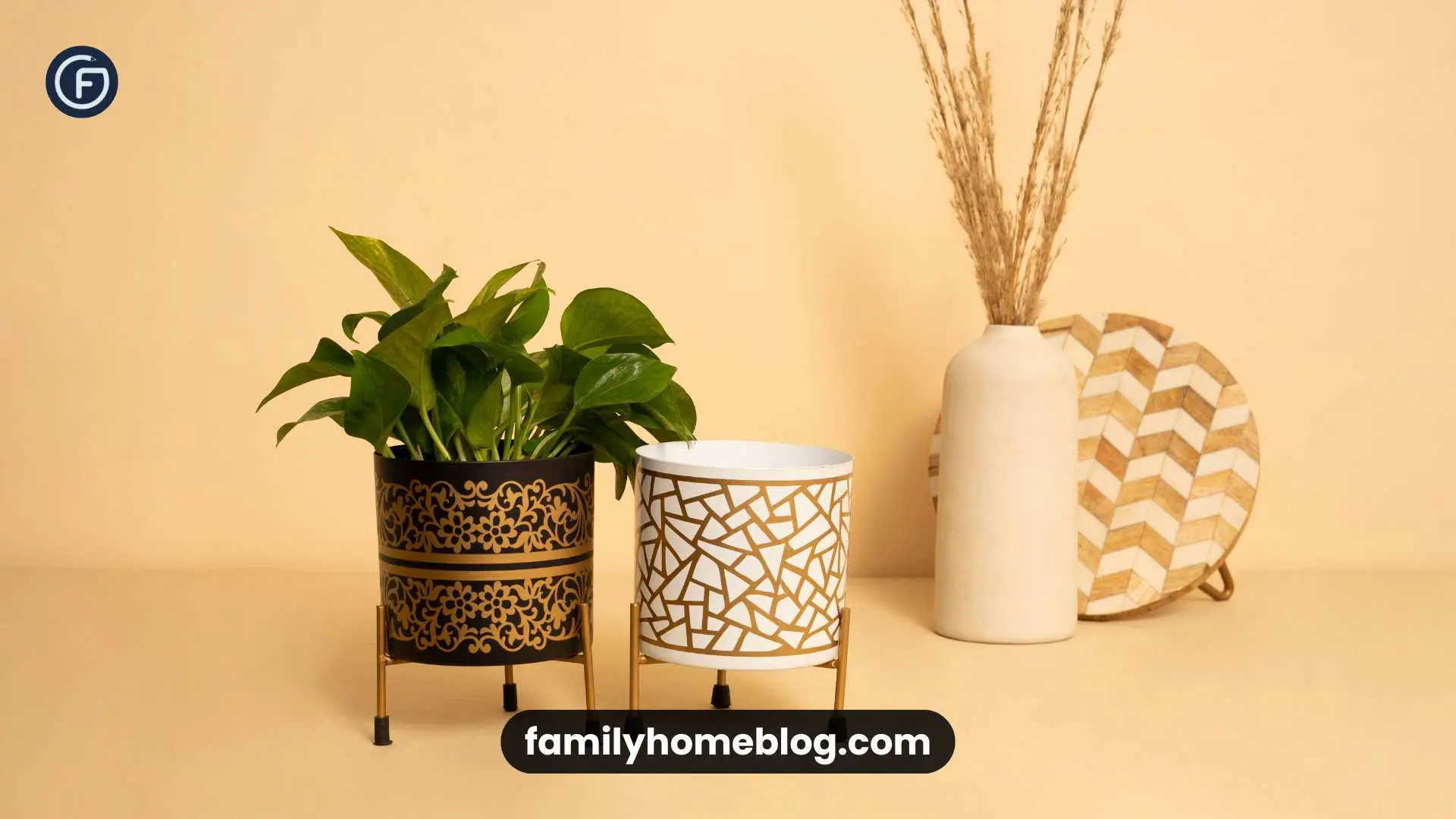
Large planter pots come in a wide range of materials, each offering distinct advantages. Traditional terracotta pots bring a classic look and excellent breathability for plant roots. Ceramic pots provide vibrant colors and artistic designs, while fiberglass and resin options offer lightweight durability and resistance to weather conditions. Metal pots, such as those made from aluminum or stainless steel, add a modern touch with their sleek, industrial appearance.
The design possibilities are endless. From minimalist and contemporary styles to ornate and traditional patterns, large planter pots can complement any garden theme. Customizable options allow you to choose the perfect size, shape, and finish to match your outdoor decor, ensuring that your planters are both functional and visually appealing.
Benefits of Using Large Planter Pots
One of the primary benefits of large planter pots is their ability to accommodate a wide variety of plants, including those with extensive root systems. This makes them ideal for growing trees, shrubs, and large perennials that might outgrow smaller containers. The ample space also allows for better soil volume, which can improve moisture retention and provide a more stable environment for plant roots.
Large planter pots can serve as eye-catching focal points in your garden, drawing attention to specific areas or creating a sense of structure and balance. They can be used to anchor a patio, frame a doorway, or create a dramatic entrance. Additionally, these pots can be strategically placed to provide privacy or to screen unsightly views, enhancing the overall ambiance of your outdoor space.
Ideal Settings for Large Planter Pots
Large planter pots are particularly useful in a variety of settings. In urban environments with limited ground space, they offer a practical solution for gardening on balconies, rooftops, and patios. The substantial size of these pots allows for the cultivation of small trees or large shrubs, bringing a touch of nature to otherwise concrete-heavy areas.
In expansive gardens or landscaped properties, large planter pots can be used to define different zones or create themed sections. For instance, a row of large pots filled with lush greenery can line a pathway, guiding visitors through the garden. In public spaces, such as parks or commercial properties, large planter pots can add greenery to plazas, courtyards, and building entrances, enhancing the aesthetic appeal and inviting nature into urban settings.
Choosing the Right Planter Pot
Selecting the right planter pot involves considering several factors, including the type of plants you wish to grow, the environmental conditions, and the overall design of your garden. Ensure that the material of the pot suits your climate—metal pots can heat up in direct sunlight, while ceramic and terracotta pots may be more susceptible to frost damage.
Drainage is crucial for the health of your plants. Planter pots should have adequate drainage holes to prevent water from accumulating at the bottom, which can lead to root rot. If the pot does not come with drainage holes, you may need to drill them yourself or use a well-draining soil mix to ensure proper water management.
Enhancing Large Planter Pots
Many large planter pots come with additional features that can enhance their functionality and aesthetic appeal. Some pots include built-in irrigation systems, making it easier to maintain consistent moisture levels for your plants. Mobility features, such as casters or handles, allow you to move the pots as needed, whether to catch more sunlight or to protect the plants from harsh weather.
Decorative finishes, like textured surfaces, vibrant colors, or intricate patterns, can transform large planter pots into works of art. Consider coordinating the colors and styles of your pots with your garden furniture, outdoor lighting, and other decor elements to create a cohesive and visually pleasing outdoor space.
In conclusion, large planter pots offer a versatile and attractive solution for enhancing any garden or landscape. With their ability to accommodate a variety of plants and their diverse design options, they can transform your outdoor space into a lush, inviting haven. Whether you have a small urban balcony or a vast landscaped estate, large planter pots can provide the perfect blend of practicality and beauty.
How to Plant a Large Planter Pot Step by Step
Planting a big container is simple, but the order of steps matters. Move the pot to its final position first, because once it is filled with soil and water it may be too heavy to shift safely. Check that drainage holes are clear, and cover them with a piece of mesh or landscape fabric so soil stays in while water drains out.
Fill the pot with a quality potting mix rather than garden soil, which can compact and drain poorly in containers. To reduce weight and cost in very deep pots, some gardeners fill the bottom portion with lightweight material such as upturned plastic pots, leaving plenty of depth for roots. Set the plant at the same depth it grew in its nursery pot, fill around it, and water thoroughly.
- Place the pot before filling it
- Cover drainage holes with mesh
- Use potting mix, not garden soil
- Keep enough depth for roots
- Water deeply after planting
Caring for Plants in Large Planter Pots Through the Seasons
Large planter pots hold more soil, so they dry out more slowly than small containers, but they still need attention. Check moisture by pushing a finger a couple of inches into the soil and water when it feels dry at that depth. In hot summer weather, plants in sunny spots may need water more often. Container plants also use up nutrients quickly, so a slow-release fertilizer at the start of the growing season helps.
In cold climates, protect pots and roots before winter. Frost can crack terracotta and some ceramic pots, and roots in containers are more exposed than those in the ground. Move vulnerable pots to a sheltered spot near the house, raise them on pot feet so they drain freely, or wrap them with burlap or bubble wrap during hard freezes.
Every year or two, refresh the soil in big containers. Scrape away the top few inches and replace it with fresh potting mix and compost, which restores nutrients without disturbing the roots. For long-lived shrubs and small trees, check every few years whether roots are circling the pot or growing out of the drainage holes. If so, it may be time to prune the roots lightly or move the plant into a bigger container.
Safety and Budget Tips for Oversized Containers
A fully planted and watered large pot can be very heavy, so safety deserves thought. On balconies, decks, and rooftops, check the weight limit with your building manager or a qualified professional before adding several big planters. Use rolling plant caddies for pots you may want to move, and lift with your legs or get help rather than straining your back.
Costs for oversized planters vary widely depending on material, size, and finish, and prices differ by region. Fiberglass and resin often cost less than glazed ceramic or stone and weigh far less. Planting mix for big containers adds up, so factor it into your budget. Buying one statement pot and a few simpler ones is often a good compromise.
If you are unsure whether a structure can take the weight, or you want to plant a small tree in a very large container on a rooftop, it is worth consulting a builder or structural engineer. Spreading heavy planters out rather than clustering them in one corner also distributes the load. For windy locations, choose wide, low pots for tall plants, or add weight at the base, so a gust does not tip them over.
- Check balcony and deck weight limits
- Use rolling caddies for mobility
- Anchor tall pots in windy spots
- Budget for potting mix as well
Frequently Asked Questions
What should I put in the bottom of large planter pots?
The most important thing is clear drainage, so cover the holes with mesh or landscape fabric. In very deep pots, you can fill part of the bottom with lightweight material like upturned plastic pots to save soil and weight, as long as your plant still has enough root depth.
How often should you water plants in large pots?
Water when the top couple of inches of soil feel dry, rather than on a fixed schedule. Large pots hold moisture longer than small ones, so they may need water less often. In hot, sunny, or windy weather, check more frequently, and always water until it drains from the bottom.
Which planter material is best for outdoor use?
It depends on your climate and needs. Fiberglass and resin are lightweight and weather resistant, making them good all-around choices. Terracotta breathes well but can crack in frost. Glazed ceramic looks beautiful but is heavy. Metal is sleek but can heat up in direct sun and warm the roots.
Can you leave big outdoor planters outside in winter?
Many large planters can stay outside in winter, but it depends on the material and your climate. Terracotta and some ceramics can crack when wet soil freezes. Frost-resistant fiberglass, resin, and metal usually cope better. Raising pots on feet and wrapping them helps protect both the container and the roots.