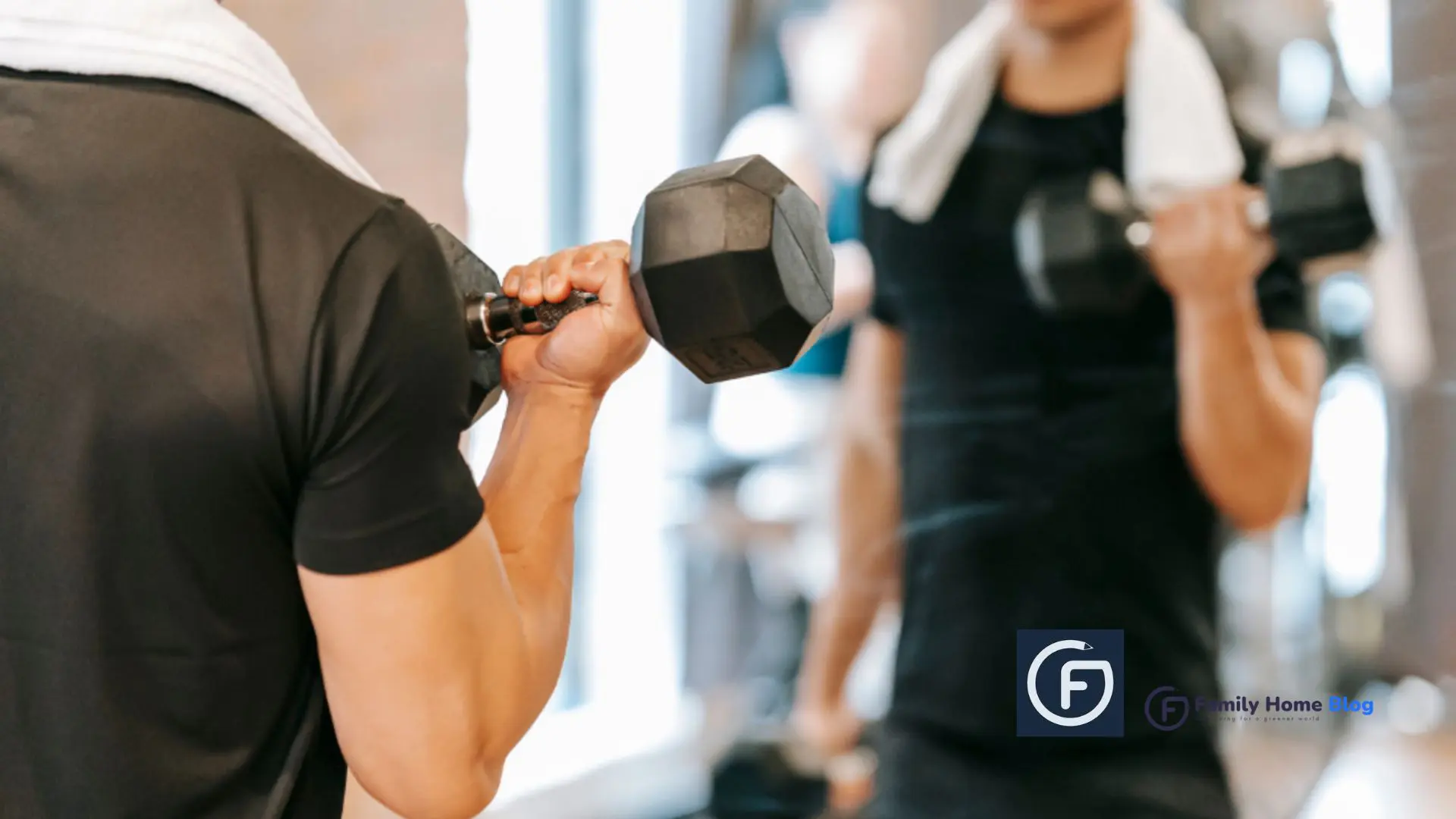
Having a gym mirror wall dedicated workout area can make a significant impact on fitness. You can challenge yourself and accomplish your exercise goals while concentrating on your health and well-being. But how motivated you are and how well you do dramatically depends on the setting where you exercise.
Key takeaways
- Plan the gym mirror wall around your main exercises and where you stand to check form
- Use proper mounting hardware, safety backing, and professional help for large glass panels
- Acrylic or shatter-resistant options suit homes with kids or heavy equipment
- Keep weights and moving equipment a safe distance from the mirror to prevent impacts
The mirror wall is one frequently disregarded gym aspect that can drastically alter your workout area. This comprehensive article delves into the topic of gym mirror wall hacks and demonstrates how they may enhance your workout space.
The Power of Gym Mirror Walls
1. Boosting Motivation
Have you ever observed that you work out harder and maintain your form better in front of a mirror? The glass walls of the gym allow people to see themselves. They create a setting where you can monitor your progress, correct your form, and maintain your motivation as you get healthy.
2. Form and Technique Improvement
Proper form is crucial to achieve your fitness objectives and maintain your health. To assess your state, use the gym’s wall-mounted mirrors. You can immediately identify any issues with your posture or technique by getting a clear perspective of your movements.
Selecting the Perfect Location
Choosing the right location for your mirrors is essential before diving into the world of mirrors wall design. Consider these factors:
1. Lighting Matters
Not only is a well-lit training space more appealing, but it also improves the functionality of your mirror wall. The difference between natural light and good artificial light can be profound.
2. Space and Layout
Take a look at the design of your gym. Ensure the gym’s mirror wall doesn’t distract you from your workout or make you feel uneasy. It should blend seamlessly with the remainder of your room.
3. Aesthetic Appeal
Mirror walls at a gym can be both functional and attractive. Select a location where the mirror wall can be the center of attention and enhance the atmosphere of your gym.
Designing Your Gym Mirror
Now that you’ve chosen the perfect location let’s get creative with the design of your gym mirror wall:
1. Mirror Shapes and Sizes
Try several mirror styles and sizes to discover what you like and what works in your room. Full-length mirrors are excellent for seeing everything clearly, while smaller, framed mirrors can give a refined touch.
2. Innovative Arrangements
Don’t be content with just one large mirror. Consider arranging different mirrors in various configurations. Some exercisers use geometric patterns or mirror “stripes” to stand out.
Installation Tips and Tricks
Putting up a mirror wall in a gym sounds like a big job, but it’s easy if you have the proper instructions. Here is a step-by-step guide to fixing up:
1. Gather the Necessary Tools
Start by gathering the necessary tools, such as a level, measure tape, mirror adhesive, and safety gear. For a sound installation, you must have the right tools.
2. Wall Preparation
Ensure the wall’s surface is clean, smooth, and bumps-free. Fill in any holes and sand the texture so your mirrors look great.
3. Precise Measurements and Marking
Measure the space on the wall where you want to put the mirrors. Use a pencil to mark the accurate spots for the mirror. Accuracy is the key to a smooth operation.
4. Apply Mirror Adhesive
Apply the mirror glue evenly to the back of the mirrors, making sure it covers the whole back. Press the mirrors tightly against the wall in the spots you marked.
5. Support During Drying
Use clamps or clips to keep the mirrors from moving around as the glue dries. Make sure to dry it for as long as the maker says.
Maintaining and Cleaning Your Gym Mirror Wall
To keep your gym mirror looking its best and functioning correctly, follow these cleaning and maintenance tips:
1. Regular Cleaning
Make it a habit to wipe down the mirrors regularly with a mixture of water and a mild glass cleaner. This simple step will help prevent smudges and streaks.
2. Avoid Harsh Cleaning Agents
Refrain from using abrasive or harsh cleaning chemicals, which can damage the mirror’s surface over time. Stick to gentle, glass-friendly cleaners.
3. Damage Control
Regularly inspect the mirrors for any cracks or chips. Address any damage promptly to ensure both safety and aesthetics.
Unlocking the Creative Potential
Gym mirrors offer endless possibilities beyond their primary functions. Here are some creative services to consider:
1. Yoga and Stretching
During sessions, yoga practitioners can utilize gym mirrors to perfect their poses, alignment, and balance.
2. Dance and Choreography
Dancers often employ mirror walls for practice, precision refining their moves and routines.
Budget-Friendly Mirror Wall Options
Only some have an unlimited budget for their home gym. Here are some budget-friendly alternatives:
1. Acrylic Mirrors
Acrylic mirrors are a cost-effective substitute for traditional glass mirrors. They are lightweight, shatter-resistant, and easy to install.
2. DIY Mirror Frames
Give your mirrors a polished look without breaking the bank. Craft your frames using affordable materials like wood or PVC.
Safety First
While gym mirror walls offer numerous advantages, safety should be a top priority:
1. Secure Installation
Ensure that your mirrors are anchored securely to the wall. It prevents accidents and ensures the mirrors stay in place during intense workouts.
2. Avoid Overcrowding
Make sure to overcrowd your workout space with enough mirrors. Leave enough room for safe movements and exercises.
How to Plan the Size and Height of a Gym Mirror Wall
Start with the exercises you do most. If you lift standing, practice yoga, or dance, you will want to see your full body from head to toe, which usually means mirrors that start low, close to the floor, and extend well above head height. For seated or bench work, you may need the mirror positioned so your form is visible from the bench.
Measure the wall width and think about how far you typically stand from it. Standing farther back lets you see more of your body in a smaller mirror, while tight spaces need wider coverage. Mark your main workout zones with tape on the floor, then stand in each and check the view with a temporary mirror if possible.
Also plan around outlets, light switches, and windows, and decide whether you want one continuous panel or several evenly spaced sections. If windows face the wall, consider how glare at certain times of day might affect the view and whether blinds or placement changes can reduce it. Leaving a small gap above baseboards also makes cleaning easier.
- List the exercises you want to monitor
- Start mirrors low for full-body view
- Mark workout zones on the floor
- Plan around outlets and switches
Glass vs. Acrylic vs. Safety-Backed Mirrors
Standard glass mirrors give the clearest, most accurate reflection and resist scratches well, which is why they are common in commercial gyms. For a home gym mirror wall, look for glass with a safety backing film, which helps hold fragments together if the glass breaks. Tempered glass is another option that breaks into small pieces rather than sharp shards.
Acrylic mirrors are lighter, easier to install, and much harder to shatter, making them appealing in rooms where kids play or weights are nearby. The tradeoff is that acrylic scratches more easily and can show slight distortion if the wall is not perfectly flat. Acrylic also needs gentler cleaning, since rough cloths and harsh sprays can leave fine scratches. Mounting acrylic on a flat backing board can reduce the wavy effect on uneven walls.
Costs vary widely by size, thickness, region, and whether installation is included, so compare quotes that specify the material, edge finish, and mounting method. A clear written quote makes it easier to compare options fairly and avoid surprises. It also helps to ask how long delivery and installation will take, since custom sizes are often cut to order.
- Glass: clearest view, most scratch resistant
- Safety backing or tempered glass: safer breakage
- Acrylic: light and shatter resistant but scratches easily
When to Hire a Professional Installer
Small mirrors and lightweight acrylic panels can be manageable DIY projects, but large glass panels are heavy, awkward, and potentially dangerous to handle. A professional glass installer has the tools, suction lifters, and experience to move and set big mirrors safely, and can combine adhesive with mechanical supports such as J-channels or clips. Glass is also easy to crack if it flexes during lifting, which is another reason extra hands and the right equipment matter.
It is also worth calling a pro if your walls are uneven, made of plaster or masonry, or if the mirror needs to be cut around outlets and trim. An installer can check that the wall is flat enough to avoid distortion and that the mounting method suits the wall type. Ask whether the quote includes delivery, edge polishing, hardware, and cleanup.
Frequently Asked Questions
How big should a home gym mirror wall be?
A home gym mirror wall should be tall enough to show your full body while you exercise, which often means mirrors starting near the floor and extending above head height. The width depends on your workout area. Cover the zones where you lift, stretch, or move so you can check your form from each spot.
What is the best mirror type for a home gym?
Glass mirrors with a safety backing film are a popular choice because they offer a clear reflection and hold together better if broken. Tempered glass is another safer option. Acrylic mirrors are lighter and shatter resistant, making them good for homes with children, but they scratch more easily and can show distortion.
Can I install a gym mirror wall myself?
You can install smaller mirrors or acrylic panels yourself with the right adhesive, clips, and a level. Large glass mirrors are heavy and hard to handle safely, so hiring a professional installer is usually the safer option. Always use mounting hardware rated for the weight, and never rely on adhesive alone for big panels.
How far should weights be from a gym mirror?
Keep dumbbell racks, barbells, and moving equipment far enough from the mirror that weights cannot swing or roll into it. Many people leave a clear buffer zone of a few feet and add a low rail, bumper, or rubber strip along the base. Store weights on racks rather than leaning them against the wall.
Conclusion
Adding a gym mirror wall to your workout space can change how you work out. These mirror walls can get you going, help you fix your form, and give your gym a beautiful look. You can take your workout space to new heights by choosing the location carefully, creating it creatively, and following safety rules. Why then wait? Change the way you work out today with the help of a gym mirror.