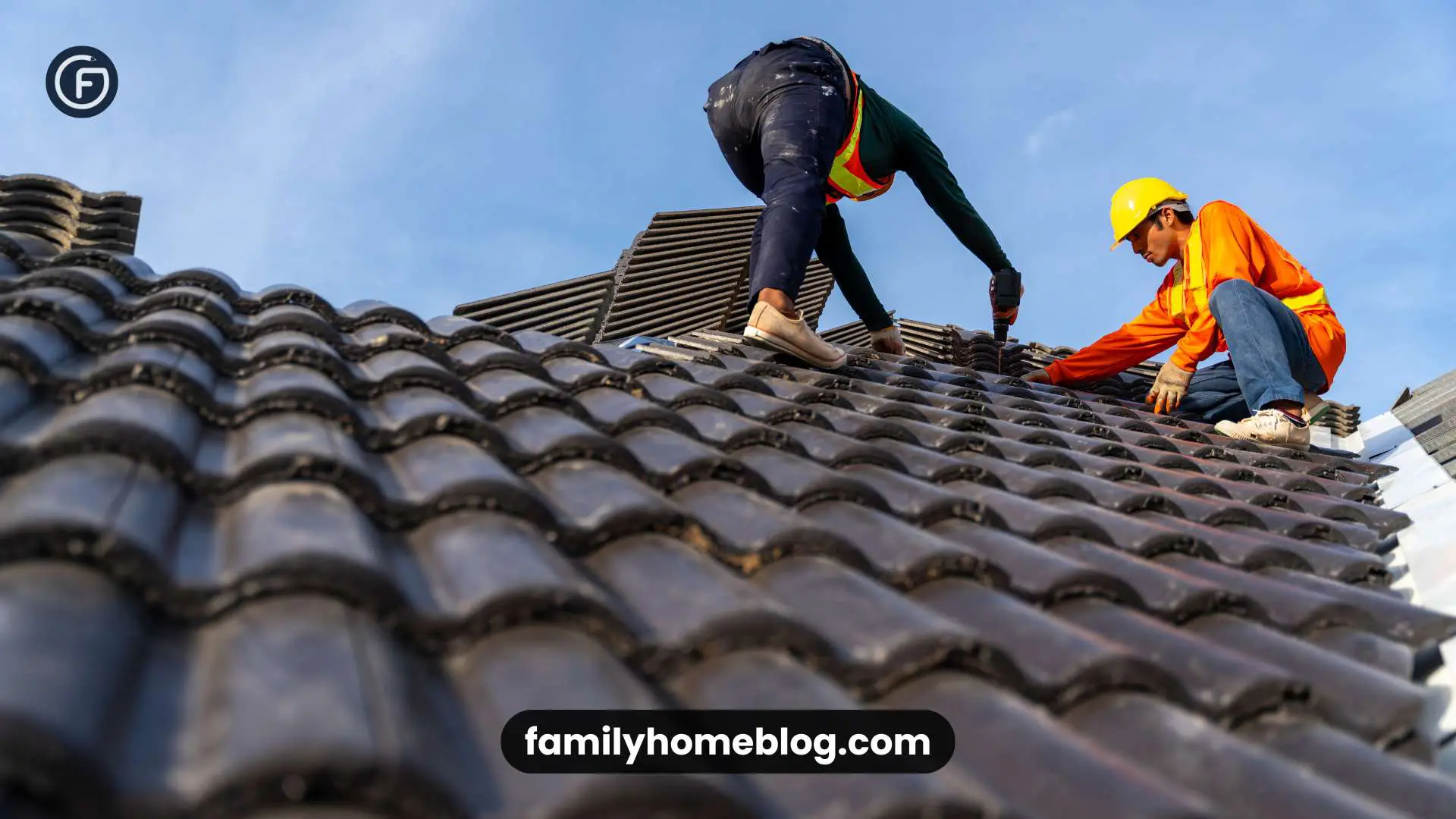
Your roof is one of the most important components of your home, protecting it from the elements and providing structural integrity. Selecting the best roofing contractor is essential to ensure your roof is installed or repaired correctly. This guide will walk you through the steps to find a reliable and skilled roofing contractor for your home.
Key takeaways
- Verify a roofing contractor’s license, insurance, and references before signing anything
- Compare written estimates line by line, including materials, tear-off, disposal, and warranties
- Get a detailed contract with payment schedule, timeline, and cleanup responsibilities spelled out
- Be wary of storm chasers, high-pressure tactics, and large upfront payment demands
Understanding the Role of a Roofing Contractor
A roofing contractor specializes in installing, repairing, and maintaining roofs. They are trained to work with a variety of roofing materials and styles, ensuring that your roof not only looks good but also performs well in protecting your home.
Key Factors to Consider When Choosing a Roofing Contractor
Local Reputation
Choose a contractor with a strong local reputation. Local contractors are familiar with regional weather conditions and building codes, and they rely on their community’s trust for ongoing business.
Experience and Specialization
Ensure the contractor has experience with the specific type of roofing material you have or want. Specialization in particular roofing styles and materials can lead to better quality and more efficient work.
Licensing and Certification
Verify that the contractor holds the necessary licenses and certifications required by your state or local government. This guarantees they have met specific standards and are legally permitted to perform roofing work.
Insurance Coverage
A reputable contractor should have both liability insurance and worker’s compensation insurance. This protects you from potential lawsuits or liabilities in case of accidents during the roofing project.
Steps to Find the Right Roofing Contractor
Research and Recommendations
Start by asking friends, family, and neighbors for recommendations. Online review sites and industry associations can also provide a list of potential contractors with good reputations.
Interview Potential Contractors
Interview multiple contractors to get a sense of their expertise, communication style, and professionalism. Ask about their experience, previous projects, and how they handle unexpected challenges.
Obtain Detailed Estimates
Request written estimates from at least three different contractors. Ensure each estimate includes a breakdown of labor, materials, and any additional costs. This allows you to compare pricing and services fairly.
Check References and Reviews
Ask for references from past clients and follow up with them to inquire about their experiences. Online reviews can also provide insight into the contractor’s reliability and quality of work.
Questions to Ask Your Roofing Contractor
- Can you provide proof of licensing and insurance?
- What experience do you have with my specific roofing material?
- Can you provide references from recent projects?
- What is your process for handling unexpected issues during the project?
- Do you offer a warranty on your work and the materials used?
- How will you protect my property during the roofing process?
- What is the estimated timeline for the project?
- How do you handle clean-up after the project is completed?
Warning Signs of an Unreliable Contractor
Be cautious of contractors who request full payment upfront, lack proper licensing or insurance, offer unusually low bids, or are reluctant to provide references. These can be red flags indicating potential issues with reliability or quality.
What Should Be in a Roofing Contract
Once you have chosen a roofing contractor, get everything in writing before work begins. A clear contract protects both you and the contractor by setting expectations about scope, cost, and timing. Read it carefully, ask questions about anything that is unclear, and do not sign until you are comfortable, since verbal promises are hard to enforce later.
A good contract describes the exact work, including whether the old roof will be torn off, the materials and brands to be used, and how damaged decking will be handled and priced. It should also include a payment schedule, estimated start and finish dates, permit responsibility, and cleanup details. Make sure both the manufacturer warranty and the contractor’s workmanship warranty are written down.
Before signing, check that the contractor’s business name and address on the contract match their license and insurance documents. Confirm who will actually do the work, whether that is the contractor’s own crew or subcontractors. Keep a signed copy of the contract, along with any change orders, in a safe place with your other home records.
- Scope of work and materials
- Price and payment schedule
- Permits and inspections
- Start date and expected duration
- Warranty terms in writing
- Cleanup and debris removal
Understanding Roofing Estimates and Costs
Roofing estimates can differ widely, and the lowest number is not always the best value. Costs usually depend on roof size, pitch, the number of layers to remove, material choice, local labor rates, and access to the roof. Prices also vary by region and season, so comparing several local quotes is the best way to understand what is reasonable.
When comparing estimates, check that each covers the same scope. One quote may include new underlayment, flashing, and ventilation while another does not. Ask how unexpected issues, such as rotten decking, will be priced. A reputable roofing contractor should explain each line item and be comfortable answering questions without pressuring you into a quick decision.
It also helps to ask when the roof was last inspected and what condition the attic and ventilation are in. Good ventilation can extend the life of roofing materials, and a thorough contractor will look at it. Timing can affect scheduling as well, since roofers are often busiest after storms and during the warmer months in many regions.
Handling Storm Damage and Insurance Claims
After major storms, many homeowners are approached by door-to-door crews offering fast repairs. Some are legitimate, but others move from town to town and may be gone before warranty problems appear. Take your time, check local licensing, and favor contractors with an established local presence and a business address you can verify. Temporary tarping to prevent leaks is fine, but avoid committing to a full replacement on the spot.
If you plan to file an insurance claim, contact your insurer first and document damage with photos from the ground where safe. A contractor can inspect the roof and provide an estimate, but you should make decisions about your claim with your insurance company. Be cautious of anyone who offers to cover your deductible or asks you to sign over insurance benefits before you fully understand the terms.
Once repairs are complete, keep copies of the final invoice, warranty documents, and before and after photos. These records can be valuable if you sell the home or need to file a future claim. Scheduling a simple roof inspection every year or two, and after severe storms, helps catch small problems before they become costly leaks.
Frequently Asked Questions
How many roofing contractor quotes should I get?
Getting at least three written quotes from licensed, insured roofing contractors is a good rule. This helps you understand typical pricing in your area and spot quotes that are unusually high or low. Make sure each quote covers the same scope of work so your comparison is fair.
How much should I pay a roofing contractor upfront?
Many reputable roofers ask for a modest deposit, often tied to ordering materials, with the balance due as work progresses or on completion. Requirements vary by state and contractor. Be cautious of anyone demanding full payment before work starts, and always get the payment schedule written into the contract.
What warranty should a roofing contractor offer?
A good roofing contractor should offer a workmanship warranty covering installation errors, in addition to the manufacturer’s warranty on materials. Lengths vary widely, so ask for both warranties in writing. Check what is covered, how long it lasts, whether it transfers to a new owner, and what could void it.
How long does a roof replacement usually take?
Many residential roof replacements take one to a few days once work begins, though larger or more complex roofs can take longer. Weather, material delivery, permit timing, and unexpected repairs to decking can all affect the schedule. Ask your contractor for an estimated timeline and how delays will be communicated.
Conclusion
Selecting the best roofing contractor is a critical step in ensuring your roof is installed or repaired properly. By considering factors such as local reputation, experience, licensing, insurance, and obtaining detailed estimates, you can make an informed decision. Taking the time to research and ask the right questions will help you find a contractor who can provide quality workmanship and peace of mind.