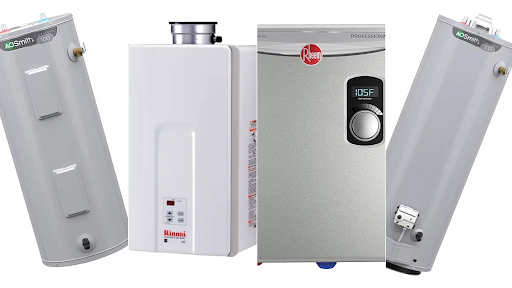
Understanding when to replace your water heater is essential for maintaining a functional and safe home environment. Before diving into the signs, let’s explore what a water heater is, how it works, and the types available.
Key takeaways
- Compare repair costs to replacement, especially once your water heater is near ten years old
- Size the new unit to your household’s peak hot water use, not just the old tank
- Turn off power or gas and water before any inspection or maintenance
- Gas lines, venting, and permits are best handled by a licensed professional
What is a Water Heater and How Does it Work?
A water heater is a household appliance that heats water above its initial temperature, usually using energy sources such as electricity, natural gas, or solar power. It works by storing water in a tank and heating it either through electrical elements or a gas burner, making hot water available on demand.
Types of Water Heaters
- Storage Tank Water Heaters: The most common type, keeping a consistent supply of hot water in an insulated tank.
- Tankless Water Heaters: Heat water directly without the use of a storage tank, providing hot water on demand.
- Hybrid Water Heaters: Combine tank storage with a heat pump that extracts heat from the air.
- Solar Water Heaters: Use solar panels to capture heat from the sun, transferring it to the water.
Signs to Replace Your Water Heater
1. Age of the Heater
Most water heaters have a lifespan of 8-10 years. It’s generally recommended to replace a heater once a decade has passed from its manufacture date.
2. Rusty Water or Heater Inlet Valve
Rust in your hot water or around the heater’s inlet valve is a sign of corrosion, which can lead to leaks and contamination. If rust is present, it’s often time to replace the water heater.
3. Water Heater Noise
Rumbling noises from sediment buildup in the tank are an indication that the heater is wearing down. This can lead to inefficiency and potential leaks.
4. Leaking Water Heater
Leaks around your water heater, especially from the tank, are a serious concern and often mean that replacement is necessary.
5. Insufficient Heating
If your water heater fails to provide sufficient hot water, it could be due to a misadjusted thermostat, a broken heating element, or a tank that’s too small. The latter often necessitates a replacement.
Regular inspection and maintenance can prolong the life of your water heater, but being aware of these signs will help you determine when it’s time for a replacement.
Find Your Water Heater in Canada
If you’re located in Canada and looking to replace a new water heater for your home, this store offers a wide range of options to suit your home’s needs. With a selection of top brands and models, you can find a water heater for sale to ensure consistent, efficient hot water in your home. Check out their offerings today and enjoy the comfort and convenience of a reliable water heating system.
Repair or Replace Your Water Heater? How to Decide
Not every problem means a new unit. A faulty thermostat, heating element, or pressure relief valve can often be repaired at a reasonable cost, especially on a heater that is only a few years old. The question becomes harder as the unit ages. If the heater is close to the end of its typical lifespan and needs a significant repair, the money may be better spent on a replacement.
Some problems point clearly to replacement. A leak from the tank itself usually cannot be fixed, since it often means the tank has corroded from the inside. Rusty water combined with an older unit is another strong signal. When in doubt, ask a plumber to inspect the heater and give you prices for both repair and replacement so you can compare.
Planning ahead also helps. Replacing your water heater before it fails lets you choose a model calmly instead of accepting whatever is available during an emergency. Note the age on the unit’s label, keep records of any repairs, and start comparing options once the heater approaches the end of its expected life or repairs become more frequent.
How to Choose the Right Size and Type of Replacement
Start by thinking about how your household uses hot water. Count the showers, laundry loads, and dishwasher runs that tend to happen close together, often in the morning. A larger family with overlapping showers needs more capacity than a couple, and a tank that is too small was one of the signs listed above. A plumber can help estimate the right size.
Next, consider the type. Replacing a tank with a similar tank is usually the simplest and often the least expensive option. Tankless and hybrid heat pump models can use less energy over time, but they may need changes to electrical service, gas lines, venting, or space. Upfront prices and running costs vary by region and fuel prices.
Also check the space where the heater will go. Height, clearance, venting, and drainage all affect which models fit. Newer, more efficient tanks can be slightly larger than older ones, so measure the doorways and the closet or corner before buying. Some areas also require extras such as an expansion tank, seismic straps, or a drain pan.
- Estimate peak hot water use in your home
- Compare energy efficiency labels between models
- Check available space, venting, and fuel type
- Ask about warranty length on the tank and parts
- Look into local rebates for efficient models
Safety Steps and When to Call a Professional
Water heaters combine hot water, pressure, and either electricity or gas, so safety comes first. Before looking closely at a leak or doing any maintenance, turn off the power at the breaker for an electric unit or set a gas unit to the pilot or off position. Then shut off the cold water supply. Water in the tank can be hot enough to scald, so let it cool before draining.
If you smell gas, leave the house and call your gas utility or emergency services from outside. Do not switch lights on or off. Water pooling around the base, scorch marks near the burner, or a pressure relief valve that keeps discharging are also signs to call a professional promptly.
Replacing a water heater usually involves gas or electrical connections, venting, and often a permit, so hiring a licensed plumber is the safest choice for most homeowners. A professional can also confirm that the pressure relief valve, venting, and shutoff valves are installed correctly, and can arrange the required inspection so the work meets local codes.
Frequently Asked Questions
How long does it take to replace your water heater?
A straightforward swap of one tank for a similar tank often takes a few hours. Switching to a tankless or hybrid model, relocating the unit, or updating venting, gas lines, or electrical service can take longer. Your plumber can give a realistic timeline after seeing the installation space and checking any permit requirements.
Can I make my water heater last longer?
Regular maintenance helps. Many manufacturers suggest draining a few gallons from the tank periodically to reduce sediment, testing the pressure relief valve, and having the anode rod checked. Setting the thermostat to a moderate temperature also reduces wear. Follow the manual for your specific model, or ask a plumber to handle it.
Is a tankless water heater better than a tank model?
It depends on your home and budget. Tankless units heat water on demand, take up less space, and may use less energy, but they usually cost more upfront and can require upgrades to gas or electrical service. Tank models are simpler and cheaper to install. A plumber can compare both for your household.
What should I do if my water heater is leaking?
Turn off the power or gas to the heater and shut off the cold water supply valve. Move belongings away from the water and dry the area to prevent damage. Then check where the leak comes from. Loose fittings may be repairable, but a leak from the tank itself usually means replacement, so call a plumber.