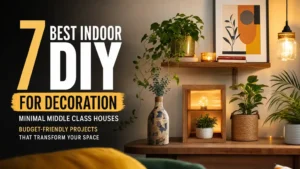
Knowing how to maximize a small living space is becoming increasingly crucial as an increasing number of people are choosing apartment living or downsizing their homes. Whether working with a tiny bedroom, a cramped living room, or a narrow hallway, there are plenty of creative ways to decorate your small spaces without sacrificing style or functionality.
Key takeaways
- Measure the room and doorways before buying furniture to avoid bulky mistakes
- Choose furniture with visible legs and slim profiles to keep floors looking open
- Layer lighting with lamps and sconces instead of relying on one ceiling fixture
- Edit belongings regularly so storage solutions do not turn into clutter
In this article, we’ll explore some of the best ways to make the most of a small space and create a spacious, comfortable, and inviting home.
Choose Multi-Functional Furniture
When working with a small space, choosing furniture that can serve multiple purposes is important. Consider investing in a sofa bed that can double as a guest bed, a coffee table with hidden storage or a set of nesting tables easily tucked away when not used.
Utilize Vertical Space
Remember the space above your head! Vertical space can be as valuable as floor space, so consider adding floating shelves, wall-mounted organizers, or hanging plants to make the most of your walls.
Space Mirrors
Use mirrors to create the illusion of space Mirrors are a great way to make a small space feel larger and more open. Consider adding a large mirror to your living room or bedroom to reflect natural light and create the illusion of more space.
Choose Light, Neutral Colors
When decorating a small space, it’s best to stick with light, neutral colors to make it airy and open. Avoid dark or bold colors that make a small spaces feel smaller.
Add Pops of Color and Texture
While neutral colours create space, they can feel slightly bland. Add pops of colour and texture to your small space with throw pillows, area rugs, or artwork.
Get Creative with Storage
In a small space, storage can be a challenge. Get creative with your storage solutions using baskets, bins, and other organizational tools to keep your space clutter-free. Consider using a bookshelf as a room divider or adding storage under your bed.
With these tips and tricks, you can make the most of a small space and create a stylish, comfortable, and inviting home. So go ahead and embrace your small space – with a little creativity and a lot of imagination, anything is possible.
Plan the Layout Before You Decorate Small Spaces
Before buying anything new, measure the room, including doorways, windows, radiators, and outlets. Sketch a simple floor plan on graph paper or use a free room planning app, then map out where furniture will go. Leaving clear walking paths, usually around 30 to 36 inches where people pass often, keeps a small room from feeling cramped.
Scale matters more than style in tight quarters. An oversized sectional can swallow a small living room, while a slim loveseat with a couple of lightweight chairs gives more flexibility. Try placing painter’s tape on the floor to mark the footprint of a piece before you buy it. That quick step helps you decorate small spaces with confidence and avoid costly returns.
Once the layout works, decide on a focal point for each room, such as a window, a headboard, or a piece of art, and arrange seating to face it. Having one clear focus gives the eye somewhere to rest and helps a small room feel purposeful rather than crowded. Keep the area directly around the focal point simple so it stands out.
- Float furniture slightly off the walls if it improves flow
- Use a round table where corners would block traffic
- Keep the path from the door clear
Use Lighting to Make a Small Room Feel Bigger
Lighting can change how large a room feels just as much as paint color or furniture choice. A single overhead fixture tends to leave corners in shadow, which makes a space seem smaller. Instead, layer several light sources at different heights, such as a floor lamp in one corner, a table lamp by the sofa, and wall sconces near the bed or reading chair.
Wall-mounted or plug-in sconces free up surface space on nightstands and side tables, which matters when every inch counts. Keep window treatments light and mounted high and wide so they let in as much daylight as possible. Warm white bulbs usually create a cozier feel in living areas, while slightly cooler light can suit a small home office or kitchen.
Reflective and light-colored surfaces help lighting do its job. A mirror placed across from a lamp or window bounces light further into the room, and pale lampshades spread a softer glow than dark ones. Dimmers are a simple upgrade that let you change the mood from bright and practical during the day to calm and cozy in the evening.
Common Small-Space Decorating Mistakes to Avoid
One frequent mistake is using too many small accessories. Lots of little objects on every surface read as clutter and make a room feel busier and smaller. A few larger pieces, such as one bold print instead of a cluster of tiny frames, usually look calmer and more intentional, and they are much easier to dust and keep tidy.
Another is pushing every piece of furniture flat against the walls, which can leave an awkward empty middle and does not always improve flow. Choosing a rug that is too small is also common; a rug that fits under the front legs of your seating ties the area together and makes it feel larger. Finally, avoid bulky furniture that sits directly on the floor when a leggy option would let light pass underneath.
It also helps to step back every few months and reassess. Small homes change quickly as seasons, hobbies, and family needs shift. Remove anything you no longer use or love, rotate seasonal decor into storage, and look for pieces that could work harder. A little regular editing keeps a compact home comfortable, functional, and easy to clean.
- Too many tiny decor pieces
- An undersized area rug
- Heavy, dark curtains that block daylight
- Buying furniture before measuring
Frequently Asked Questions
How do you decorate small spaces without making them feel cluttered?
Keep surfaces mostly clear and choose fewer, larger decor pieces rather than many small ones. Use closed storage for everyday items, pick furniture with slim profiles and visible legs, and stick to a limited color palette. Editing belongings regularly is key, because even the best storage fills up fast in a small home.
What color makes a small room look bigger?
Light, soft colors such as warm whites, pale grays, and gentle neutrals usually help a small room feel brighter and more open because they reflect more light. Painting walls and trim in similar shades can blur edges and make the room seem larger. Darker colors can work too, especially in cozy spaces, when balanced with good lighting.
What size rug should I use in a small living room?
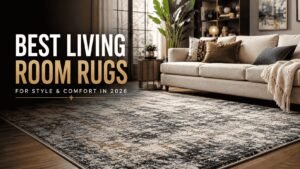
Choose a rug large enough that at least the front legs of the sofa and chairs rest on it. A rug that is too small can make the room feel choppy and smaller. Measure your seating area first and pick a size that leaves a strip of floor showing around the edges, often somewhere between 6 and 12 inches.
Where can I add storage in a small apartment?
Look up and underneath. Wall shelves, over-the-door organizers, and tall bookcases use vertical space, while under-bed bins and lift-top ottomans use hidden space. Furniture with built-in storage, such as a bed with drawers or a bench with a lid, adds room without adding extra pieces. Hooks inside closets and cabinets also make good use of often wasted space.