Having a beautiful small garden is a dream for many homeowners, but the reality of maintaining it can often be overwhelming. A low-maintenance garden is possible with smart planning and the right plants. Gardening can feel like a full-time job between weeding, watering, pruning, and pest control. But it doesn’t have to be that way. With the right design and strategies, you can create a stunning garden that requires minimal upkeep.
Key takeaways
- Choose native or adapted plants and group them by water needs to cut routine chores
- Use hardscaping, mulch, and ground covers to reduce lawn, weeds, and watering
- Plan the layout on paper first so you build a simple design you can easily maintain
- Follow a light seasonal routine so small tasks never pile up into a big weekend job
This article will explore some tips and ideas for low-maintenance gardening to help you achieve your outdoor space dreams.
Plan a Low-Maintenance Garden from the Start
- Choose the right plants: Opt for native or adapted plants suited to your climate and soil conditions. These plants will be more resilient and require less watering and fertilizing.
- Group plants by water needs: Group plants with similar water needs together to simplify your watering routine. This will prevent over- or under-watering and reduce your workload. Got roses in your garden? Wonder how often to water roses? Prepare to put extra effort into maintenance so choose wisely!
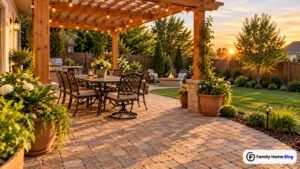
- Incorporate hardscaping: Use features like paths, patios, and retaining walls to add structure to your garden and reduce the amount of lawn and plants you need to maintain.
Use Low-Maintenance Design Techniques
- Opt for simplicity: Choose a simple design that emphasizes the beauty of the plants and natural features. Avoid complex shapes and designs that require frequent pruning and upkeep.
- Choose durable materials: Use durable materials like stone, gravel, and mulch that require minimal maintenance and last for years.
- Incorporate containers: Use containers to add color and interest to your garden without adding extra maintenance. Container plants can be easily swapped out and moved around as needed.
Minimize Weeding and Pest Control
- Mulch your garden beds: Mulch helps retain moisture, suppresses weeds, and improves soil health. Choose a mulch that suits your plants and climate for the best results.
- Use natural pest control: Rather than relying on harsh chemicals, try using natural pest control methods like companion planting, biological controls, and physical barriers.
Maintain Your Garden with Minimal Effort
- Water smartly: Use drip irrigation or a soaker hose to water your garden efficiently and effectively. Avoid overhead watering, which can lead to fungal diseases and wasted water.
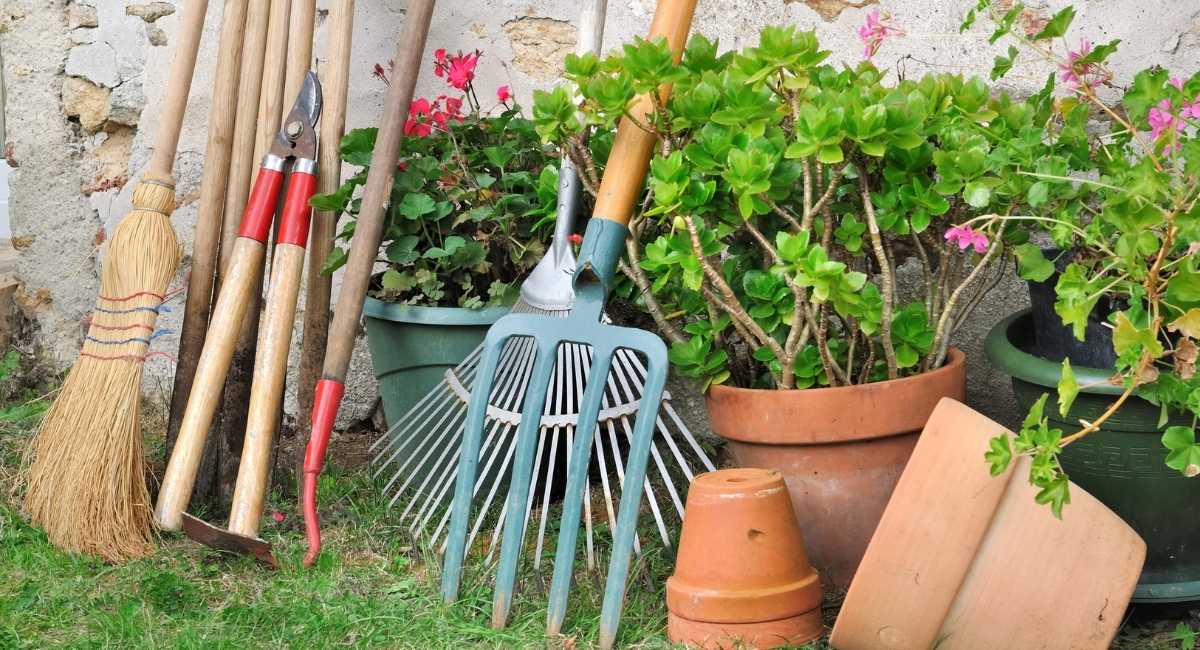
- Prune strategically: Prune your plants selectively to maintain their shape and health without spending hours on them. Use sharp tools and follow the natural growth patterns of the plant.
- Automate where possible: Use automatic timers, sprinklers, and other devices to minimize the time you spend maintaining your garden.
A Step-by-Step Plan for Low Maintenance Small Garden Design
Good low maintenance small garden design starts on paper, not with a shovel. Sketch your space to rough scale, marking where the sun falls through the day, where water collects, and how you move through the yard. Note the spots you see from inside the house, since those deserve the most attention. Then decide how you want to use the garden, whether for dining, play, growing herbs, or simply relaxing.
With those priorities set, lay out paths and seating first, then fill the remaining space with planting beds. Keep bed edges simple and easy to mow or sweep along. Choose a limited palette of plants and repeat them, which looks calm and is far easier to care for than dozens of different species. Install drip irrigation and edging before planting, while the ground is still open.
Keep hard surfaces in mind while you plan. Gravel, pavers, and decking cut down on mowing and weeding, but choose materials that suit how you will use them, since loose gravel is not ideal under outdoor dining chairs or bikes. Add landscape fabric or a thick base layer beneath gravel to slow weeds. Raised beds or large containers near the kitchen door keep herbs handy without adding much work.
- Map sun, shade, and drainage
- Decide how you will use the space
- Place paths and seating first
- Repeat a small set of reliable plants
Plant Types That Practically Look After Themselves
Some plant groups are naturally suited to easy care. Evergreen shrubs give year-round structure and usually need only a light trim once a year. Hardy perennials return each season without replanting, and many need little more than cutting back once growth fades. Ornamental grasses add movement and texture, are often drought tolerant, and only need a single cut in late winter or early spring.
Ground covers are especially valuable in small gardens because they fill gaps that weeds would otherwise claim. Creeping thyme, low sedums, and similar spreading plants handle sunny spots, while shade-tolerant options suit areas under trees. Check with a local nursery about which varieties thrive in your climate zone, and avoid fast-spreading plants that can become invasive and create more work than they save.
Buying the right size helps too. Check the mature height and spread on each plant label and give plants room to reach it, so you are not constantly pruning to keep them in bounds. Planting slightly smaller specimens is usually more economical, and they often establish well. Water new plantings regularly for the first growing season until roots settle, after which many of these plants need far less help.
A Simple Seasonal Maintenance Calendar
Even the easiest garden needs a little attention, but spreading tasks across the year keeps each session short. Think of it as a few focused hours each season rather than every weekend spent on chores. Adjust timing to your local climate, since frost dates and rainfall patterns vary widely by region.
Budget is part of the plan too. Hardscaping and irrigation usually carry the biggest upfront costs, while plants, mulch, and gravel are typically more modest. Prices vary by region and materials, so it can help to build in phases, starting with structure and adding planting over time as your budget allows.
- Spring: top up mulch, check irrigation, and divide crowded perennials
- Summer: pull small weeds early and deadhead flowers as needed
- Fall: plant new shrubs and perennials, and rake leaves from beds and paths
- Winter: cut back grasses late in the season and plan any changes
Frequently Asked Questions
What is the easiest type of garden to maintain?
A garden built around hardscaping, mulch, evergreen shrubs, and hardy perennials is usually the easiest to maintain. Keeping lawn to a minimum, repeating a small number of reliable plants, and installing drip irrigation all cut down on weekly chores. Native plants suited to your climate need less water and attention once established.
How do you start low maintenance small garden design on a budget?
Start by planning the layout and building in phases. Focus first on structure such as paths and a seating area, then add plants gradually. Choose smaller plants, which cost less and establish well, and use mulch or gravel to cover bare ground. Costs vary by region, so compare local suppliers before buying materials.
Is artificial grass a good low maintenance option?
Artificial grass removes mowing and most watering, which suits some small yards. It still needs occasional brushing, rinsing, and debris removal, can get hot in direct sun, and does not support wildlife or soil health. Gravel, pavers, or ground covers can offer a similar low-effort result with a more natural feel.
How can I make a small garden feel bigger?
Use a simple, repeated planting palette and a few larger elements rather than many small ones. Curving or diagonal paths draw the eye through the space, while mirrors, vertical planting, and light-colored paving add a sense of depth. Keeping clutter to a minimum helps the garden feel open and easy to care for.
Conclusion
Creating a beautiful, low-maintenance garden is possible with the right strategies and design. By choosing the right plants, incorporating low-maintenance features, minimizing weeds and pests, and maintaining your garden efficiently, you can enjoy a stunning outdoor space without sacrificing your free time. Use these tips and ideas to create a garden that is both beautiful and low maintenance.