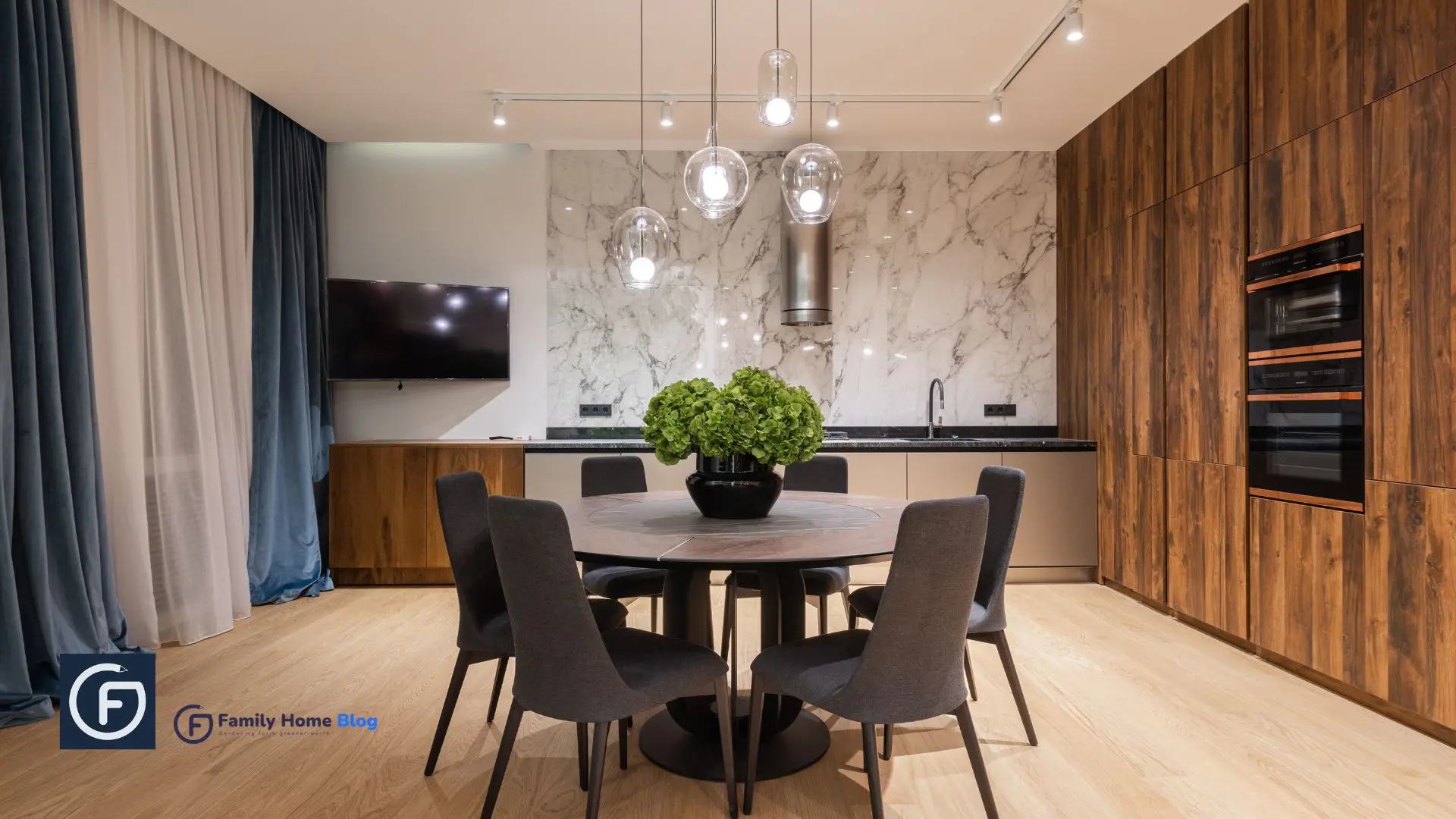
Do you want to make your home more energy-efficient and save money on electricity bills? Then, switching to an energy-efficient lighting solution could be the perfect option.
Key takeaways
- LEDs are usually the most efficient choice and last far longer than traditional bulbs
- Compare lumens for brightness instead of watts when choosing energy-efficient lighting
- Start by replacing bulbs in the rooms and fixtures you use most each day
- Dispose of CFLs properly because they contain a small amount of mercury
LED lightbulbs consume up to 80% less energy than regular bulbs, so upgrading all of your home’s lights is good for the environment and cost-effective in the long run. Today, we will provide you with a comprehensive guide on choosing and installing an energy-efficient lighting system that fits your lifestyle and budget.
The Importance of Energy Efficiency
The topic of energy efficiency is more relevant now than ever before. With increasing concerns over climate change and the depletion of natural resources, it has become crucial for individuals to do their part in reducing their carbon footprint. One simple yet effective way to achieve this is by implementing energy-efficient measures in our homes.
Lighting, in particular, accounts for a significant portion of household electricity consumption. We can significantly reduce our energy usage and subsequent carbon emissions by switching to energy-efficient lighting.
Types of Energy-Efficient Lighting
Before we delve into the specifics, we must understand that energy-efficient lighting is not a one-size-fits-all solution. Various types of energy-efficient light bulbs are available in the market, each with unique characteristics and benefits. Selecting the correct type of lighting for your home will depend on factors such as the level of brightness needed, the specific location and purpose of the light, and personal preferences.
Compact Fluorescent Lamps (CFLs)
CFLs are popular for many homeowners due to their efficiency and long lifespan. They consume roughly 70% less power than traditional bulbs. It lasts up to 10 times longer. CFLs are versatile and can be used in various settings around the house, including table lamps, overhead fixtures, and outdoor lighting.
Light Emitting Diodes (LEDs)
LEDs are another energy-efficient option that is becoming increasingly popular. They are highly efficient, consuming up to 80% less energy than traditional incandescent bulbs, and they have an exceptionally long lifespan, with some bulbs lasting as long as 20 years. LEDs are suitable for both indoor and outdoor use and are available in a wide range of colors and brightness levels.
Halogen Incandescents
Halogen incandescent bulbs are more energy-efficient than traditional ones, but less efficient than CFLs and LEDs. However, they have the advantage of being compatible with dimmer switches, which can be desirable for many homeowners. These bulbs have a shorter lifespan than other energy-efficient options, so they are best used in areas where the lights are not frequently on.
Choosing the Right Energy-Efficient Lighting for Your Home
When selecting energy-efficient lighting for your home, it’s essential to consider your household’s specific needs and preferences. Some factors to keep in mind include:
- The brightness level needed: Different bulbs have different brightness levels. Consider the purpose and location of the light when deciding on the appropriate brightness level.
- The color temperature refers to the perceived warmth or coolness of the light. Bulbs with a higher color temperature appear whiter or bluer, while those with a lower temperature have a warmer yellowish hue.
- Energy efficiency ratings: Look for bulbs with the ENERGY STAR label, which signifies that they meet specific energy efficiency guidelines set by the Environmental Protection Agency.
- Longevity: Consider the bulb’s lifespan, as this will affect how frequently you need to replace it and ultimately impact your overall cost savings.
How to Read a Light Bulb Label Before You Buy
Switching to energy-efficient lighting is easier when you understand the packaging. Lumens measure brightness, while watts measure how much power the bulb uses. Since LEDs produce more light with less power, compare lumens rather than watts. The label also lists estimated yearly energy cost, expected lifespan, and color temperature in kelvin. This information makes it easier to compare products side by side.
For living rooms and bedrooms, many people prefer a warm white around 2700K to 3000K. Kitchens, bathrooms, and home offices often benefit from a cooler, brighter light in the 3500K to 5000K range. Check whether the bulb is dimmable and whether it is rated for enclosed fixtures or damp locations if you plan to use it outside or in a bathroom.
Look for the ENERGY STAR label and a clear warranty on the package. Better quality energy-efficient lighting usually lists a color rendering index, often shown as CRI, which describes how natural colors appear under the bulb. A higher CRI tends to make skin tones, food, and fabrics look truer, which matters in kitchens, bathrooms, and dressing areas.
- Lumens for brightness, watts for power use
- Warm white for relaxing spaces
- Cool white for task areas
- Check dimmable and enclosed fixture ratings
A Room-by-Room Plan to Switch to Energy-Efficient Lighting
You do not need to replace every bulb at once. Start with the fixtures that stay on the longest, such as kitchen ceiling lights, living room lamps, porch lights, and hallway fixtures. These high-use spots typically deliver the quickest savings, and you can swap remaining bulbs as older ones burn out.
Consider adding motion sensors to garages, closets, and outdoor areas so lights only run when needed. Timers and smart bulbs can also help families who often forget to switch lights off. Keep a note of which bulb type and color temperature you used in each room, which makes future replacements consistent and saves repeat trips to the store.
Outdoor lighting is another good place to save. Solar path lights, LED floodlights with dusk-to-dawn sensors, and motion-activated security lights provide safety without running all night. Pairing these with daylight in the home, such as opening blinds and using light-colored walls, reduces how much artificial light your family needs during the day.
Common Mistakes When Upgrading Home Lighting
A frequent problem is buying non-dimmable LEDs for fixtures on dimmer switches, which can cause flickering or buzzing. Older dimmers may also need replacing with LED-compatible models. Another mistake is mixing very different color temperatures in the same room, which can make spaces feel uneven and harsh. Upgrading gradually also spreads the cost over time.
Cost is another area where people get surprised. Energy-efficient bulbs often cost more up front, though they typically last much longer and use less electricity, so savings build over time. Prices vary by region and brand, so compare packs rather than single bulbs. If you are rewiring fixtures or installing new ones, hire a licensed electrician rather than attempting complex electrical work yourself.
Heat and ventilation are easy to overlook. Some LEDs are not designed for fully enclosed fixtures, and trapped heat can shorten their life. Read the packaging carefully, keep fixtures clean so dust does not block light, and replace flickering bulbs promptly, since flicker can signal a compatibility issue or a failing component.
- Match dimmable bulbs with compatible dimmers
- Keep color temperature consistent within a room
- Recycle CFLs at approved drop-off points
- Call an electrician for wiring changes
Frequently Asked Questions
What is the most energy-efficient lighting for a home?
LED bulbs are generally the most energy-efficient lighting option for homes. They use significantly less electricity than traditional incandescent bulbs, last much longer, and come in many brightness levels and color temperatures. Look for ENERGY STAR certified LEDs for reliable quality and performance.
Are LED bulbs worth the higher upfront cost?
For most households, yes. LEDs usually cost more to buy but use less electricity and last many years longer than incandescent bulbs, so you replace them less often. Actual savings depend on local electricity rates and how many hours each light is used.
How do I safely dispose of old CFL bulbs?
CFLs contain a small amount of mercury, so avoid tossing them in regular trash where possible. Many hardware stores and local recycling centers accept them. If one breaks, ventilate the room, avoid vacuuming, and carefully collect the pieces following your local environmental agency’s guidance.
Can I use LED bulbs with my existing dimmer switches?
Only if the bulbs are labeled dimmable, and even then some older dimmers designed for incandescent bulbs may cause flickering or buzzing. If that happens, replacing the switch with an LED-compatible dimmer usually solves it. Hire a licensed electrician if you are not comfortable with electrical work.
Final Thoughts
By understanding the differences between these types of energy-efficient lighting, you can decide which option is best for your home. Consider the specific needs and characteristics of each room in your home, and choose a lighting solution that suits your preferences and supports your commitment to energy efficiency. If you need help finding the best lighting option for your home, click here to schedule a consultation with a lighting expert.