As people continue developing new methods for growing and caring for plants, they discover ever-new strategies for helping them flourish in nature. More people than ever before are turning to banana water as a natural remedy to water their plants.
Key takeaways
- Banana water is a gentle, homemade supplement that adds small amounts of potassium to plants
- Dilute blended bananas about one part to five parts water and strain before spraying
- Use fresh batches and apply sparingly to avoid mold, odors, fruit flies, and fungus gnats
- Treat banana water as an extra, not a replacement for balanced fertilizer and healthy soil
Banana water has many uses and benefits; it is cost-effective and eco-friendly when used to water plants, potentially improving their quality and stability.
This article provides detailed information on how to produce and use banana water for watering plants, highlighting the proven successful methods and essential aspects to consider when making this type of water.
Understanding the Nutritional Power of Banana Water
You can soak ripe bananas in water to create “banana water.” Banana water contains essential nutrients that contribute to plant growth and development.
Potassium comes from the soil, which mixes with other elements like phosphorus and magnesium, providing essential features for plants’ proper development. Without potassium, plants would never flourish properly – strengthening their root system while improving overall health.
Phosphorus helps plants flourish by stimulating growth and reproduction, producing abundant fruit-bearing trees and beautiful blossoms.
Prepare Banana Water for Plants
Banana water for plants is an effortless process that requires little time or resources. To craft your nutrient-rich solution, follow these steps.
1. Select Ripe Bananas: Bananas picked at their peak of ripeness contain more absorbable nutrients for your plants than any other variety.
2. Peel and Blend: To achieve a creamy banana blend, peel your bananas and blend them with water in a blender.
3. Dilute the Mixture: Dilute your banana mixture with water at one part banana and five parts water (1 part banana for every five parts water).
4. Strain (optional): Applying the mixture will be simplified after straining through a fine mesh strainer to eliminate particles that might otherwise obstruct their way.
Application Techniques
There are two primary ways of applying banana water to plants.
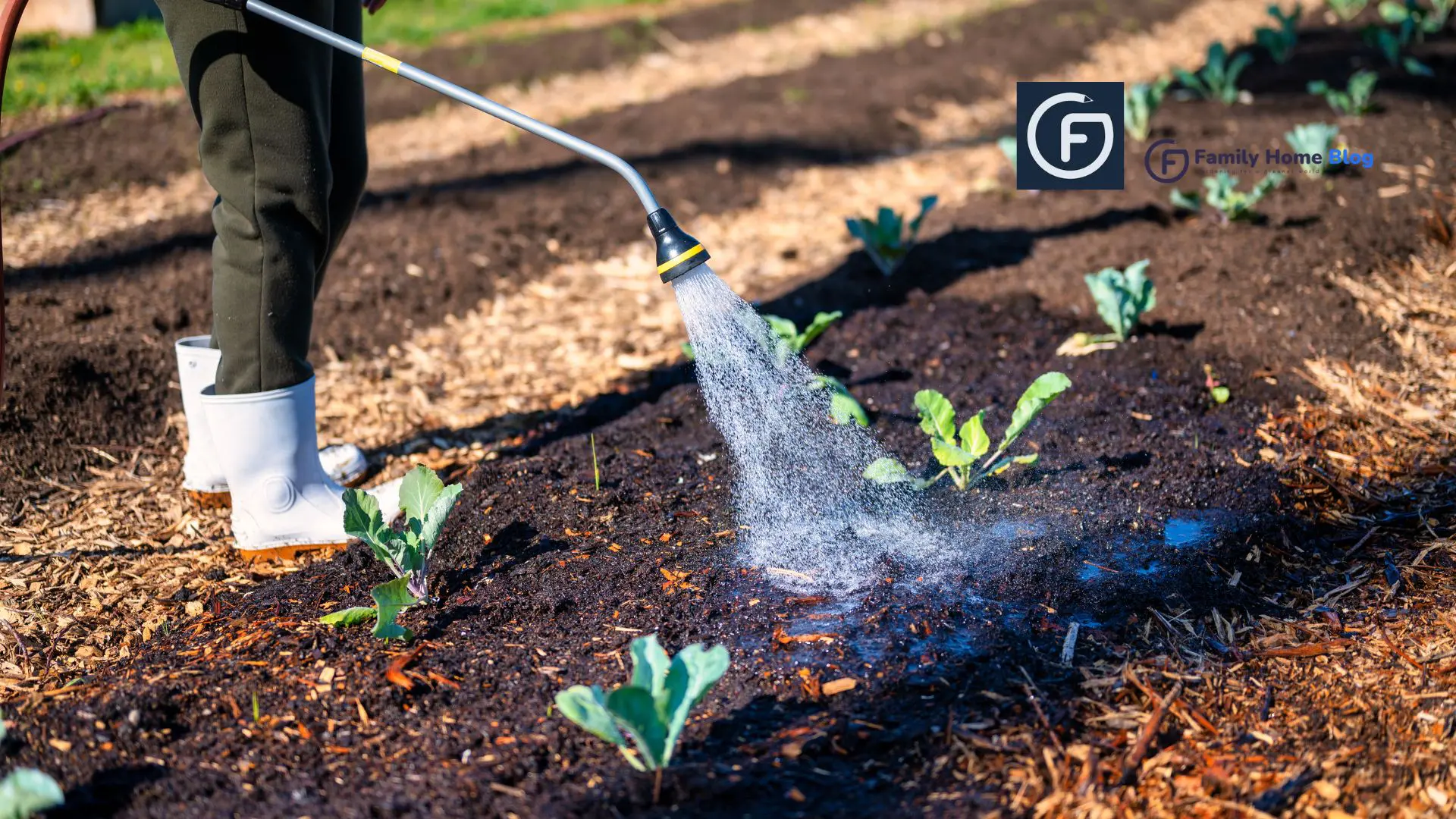
Soil drenching: Diluted banana water is gently applied around the base of plants to deliver essential nutrients directly to their roots and encourage strong root development and uptake of essential vitamins and minerals. It has proven particularly useful when trying to promote vigorous root growth. In contrast, foliar spraying involves spraying fertilizer over plants directly.
Foliar Spraying: Fill a spray bottle with the diluted banana water and spray gently onto a plant’s leaves, helping it absorb essential nutrients through its foliage, and improving overall health and vitality.
Banana Water Advantages
Banana Water offers many advantages. Here are its benefits.
Science has demonstrated the numerous advantages of banana water as a plant elixir, while real-world gardening experience bears it out. By including banana water in your plant care routine, you can:
Increase Growth: Potassium, phosphorus, and other essential nutrients stimulate vigorous plant growth, resulting in larger, healthier plants.
Enhance flowering and fruiting: Increasing phosphorus levels create more abundant, vibrant blooms, while potassium encourages larger, juicier fruits.
Natural pest resistance: Nutrients in banana water help strengthen cell walls, creating more resilient plants capable of withstanding various environmental stressors such as high temperatures and drought conditions.
Sustainable Solution: Banana water is an eco-friendly and organic solution, using synthetic fertilizers for better ecosystem health.
Many gardeners worldwide have reported positive experiences after adding banana water to their plant care routine, like Sheila from Virginia, who saw her tomato plants thrive after adding banana water into the mix. Sheila reported that they began producing larger and tastier tomatoes due to this change.
Mark is an enthusiastic orchid enthusiast who recently noticed an exponential rise in orchid spikes and blooms after adding foliar spraying with banana water into his orchid routine.
Tips to Optimize Effectiveness
To maximize the potential of banana water, keep in mind the following guidelines.
Use ripe bananas: Ripe bananas contain higher levels of essential vitamins and minerals, making them perfect for creating water with lots of critical nutrition.
Integrate banana water into your routine: Integrating banana water into your plant care routine will ensure consistent, balanced nutrition for your plants.
Use caution: Excess banana water can create nutrient imbalances, so following the directions on the bottle and closely monitoring how your plants respond is paramount.
Common Mistakes When Using Banana Water for Plants
The most frequent mistake is storing banana water too long. Because it contains fruit sugars and plant material, it can ferment, smell sour, and grow mold within a few days, especially at room temperature. Make small batches you can use right away, or keep leftovers in the refrigerator for a short time and discard anything that smells off.
Another common issue is using too much, too often. Pouring banana water or leaving peel pieces on the surface of indoor pots can attract fruit flies and fungus gnats. Overwatering with any liquid can also lead to soggy soil and root problems. It helps to apply banana water only when the plant actually needs water and to bury any solid pieces well below the soil surface.
Finally, remember that banana water alone will not fix a plant growing in poor light, compacted soil, or the wrong-size pot. If a plant is struggling, check those basics first. Using banana water for plants works best as one small part of a healthy routine that also includes proper watering, drainage, and sunlight suited to the specific plant.
- Storing batches at room temperature for days
- Applying it every time you water
- Leaving peel pieces on top of indoor soil
- Spraying foliage in hot midday sun
Which Plants Benefit Most and Which to Skip
Plants that flower or fruit heavily, such as tomatoes, peppers, roses, and many flowering houseplants, often respond well to extra potassium. Outdoor vegetable beds and container flowers are good places to experiment, since any odor or insect interest is less of a problem outside. Watch how each plant reacts over a few weeks rather than expecting instant results.
Be more cautious with succulents, cacti, and plants that prefer dry conditions, as the extra moisture and organic matter can encourage rot. Seedlings and plants that are already stressed may also do better with plain water until they recover. Banana water is mild, but it is not a complete fertilizer, so plants with clear nutrient deficiencies usually still need a balanced feed or a soil test to find the real cause.
Many gardeners prefer to test a new routine on one or two plants before using it across the whole garden. Choose a healthy plant, apply a mild dilution, and compare it with a similar plant that only gets plain water. After several weeks you will have a better sense of whether the extra effort is worthwhile for that particular variety in your conditions.
How to Build a Simple Feeding Schedule
A light, consistent routine works better than frequent heavy doses. For most garden plants, applying diluted banana water about once every two to four weeks during the active growing season is a reasonable place to start. Houseplants usually need even less, especially in winter when growth slows and they drink less water.
Keep a simple note on your phone or a calendar to track which plants received banana water and when. Rotate it with your regular fertilizer rather than using both on the same day. If you notice yellowing leaves, mold on the soil, or insects gathering, pause for a few weeks and let the soil dry out appropriately before trying again at a weaker dilution. Adjusting slowly makes it easier to see what is really helping.
Composting is another option for leftover peels. Adding them to a compost pile or burying chopped pieces deep in outdoor garden beds lets the nutrients break down slowly without the odor and pest issues that can come with liquid mixtures. Some gardeners use both methods, saving liquid banana water for containers and composting the rest.
- Growing season: every two to four weeks
- Winter: pause or reduce for houseplants
- Alternate with your regular fertilizer
- Water only when the soil needs it
Frequently Asked Questions
How often should I use banana water for plants?
For most plants, using banana water about once every two to four weeks during the growing season is plenty. Houseplants generally need it less often, especially in winter. Applying it too frequently can lead to soggy soil, mold, and insects. Watch your plants and adjust based on how they respond over time.
Does banana water attract bugs?
Banana water can attract fruit flies and fungus gnats, particularly indoors, because it contains sugars and organic matter. To reduce the risk, strain the mixture well, use it fresh, apply only when the soil needs water, and avoid leaving peel pieces on the soil surface. Outdoor plants are usually less affected by this issue.
How long does homemade banana water last?
Homemade banana water is best used within a day or two. At room temperature it can start to ferment and smell sour fairly quickly. Keeping it in a covered container in the refrigerator can extend its life slightly, but discard it if you see mold, bubbles, or an unpleasant odor.
Can banana water replace regular fertilizer?
Banana water usually cannot replace a regular fertilizer on its own. It offers small amounts of potassium and some other minerals but lacks the balanced nitrogen most plants need for leafy growth. It works best as a gentle supplement alongside good soil, compost, and a balanced fertilizer suited to your specific plants.
Conclusion
Banana water for plants offers many advantages. However, it’s essential to be aware of any possible downsides associated with its use; salt found in banana water could potentially irritate some plant varieties, and those who are intolerant should use caution when handling or consuming banana water.