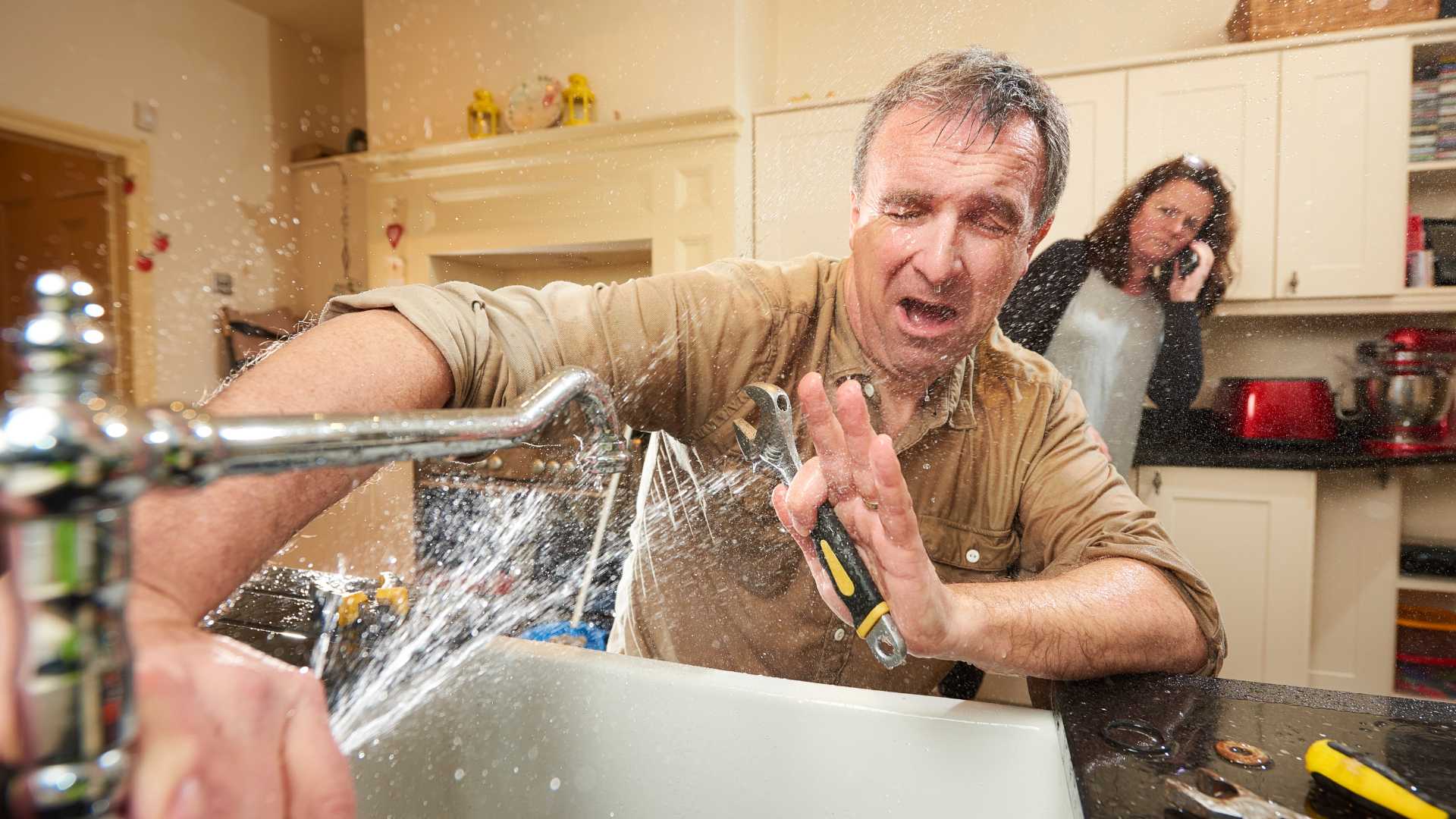
When it comes to plumbing issues in your home, it’s often tempting to try and fix the problem yourself to save some money. While some minor issues can be addressed with basic plumbing knowledge and tools, tackling more complex issues without the necessary expertise can lead to disaster. In this article, we’ll discuss common mistakes people make when attempting DIY plumbing and how to avoid them. It’s important to note that if you need more confidence in your abilities or if you’re dealing with a serious plumbing issue, it’s best to hire a professional plumbing service.
Key takeaways
- Research the job, gather the right tools, and shut off the water before loosening anything
- Snug fittings firmly but stop before cracking plastic parts or stripping threads
- Keep a basic plumbing kit and label shutoff valves so small fixes stay small
- Call a licensed plumber for gas, sewer, main line, or permit-required work
The Importance of Hiring a Professional Plumbing Service
Before diving into specific DIY plumbing mistakes, it’s crucial to understand the importance of hiring a professional plumbing service. Not only do professionals have the necessary knowledge and expertise to handle complex plumbing issues, but they also have the tools and equipment required to do the job safely and efficiently. In addition, a professional plumber will ensure that all work is up to code and meets the necessary regulations to prevent future issues. It’s important to prioritize the safety and integrity of your plumbing system by hiring a licensed and affordable plumbing company like Indigo Home & Facility Services.
Lack of Preparation and Research
One of the biggest mistakes people make when attempting DIY plumbing is diving into the project without proper preparation or research. It’s important to assess the situation and understand the scope of the issue before attempting any repairs. This includes researching the problem online, gathering the necessary tools and materials, and taking the time to familiarize yourself with your plumbing system. By taking these steps, you’ll be better equipped to handle the issue and avoid making costly mistakes.
Over-Tightening Connections
Another common DIY plumbing mistake is over-tightening connections. It’s easy to assume that the tighter the connection, the less likely it is to leak. However, over-tightening connections can actually lead to damaged pipes and fittings, which can cause leaks and other plumbing issues. It’s important to follow manufacturer instructions and use the appropriate amount of torque to avoid damaging your plumbing system.
Using Incorrect Tools
People need to correct their tools when attempting DIY plumbing. Using the right tools for the job is important to avoid damaging your pipes and fittings. Using the wrong tools can also lead to injuries and accidents. Before starting any plumbing project, make sure you have the necessary tools and that they’re in good condition.
Neglecting to Turn Off Water Supply
Refrain from turning off the water supply is another common mistake that people make when attempting DIY plumbing. This can lead to water damage and other plumbing issues, as water will continue to flow through the pipes while repairs are being made. Locating and turning off the water supply before beginning any plumbing repairs is important.
Misunderstanding Plumbing Codes and Regulations
Misunderstanding plumbing codes and regulations is another mistake that people make when attempting DIY plumbing. These codes and regulations exist to ensure the safety and integrity of your plumbing system, and adhering to them can result in serious issues down the line. Researching and ensuring you’re following all necessary codes and regulations when making plumbing repairs is important.
Ignoring Minor Leaks
Finally, ignoring minor leaks is another common DIY plumbing mistake. While a small leak may not seem like a big deal, it can quickly turn into a larger issue if ignored. Even a small drip can waste a significant amount of water over time, which can increase your water bill and cause damage to your home. In addition, minor leaks can quickly become major ones if left unchecked, leading to costly repairs. It’s important to address any leaks as soon as possible to prevent further damage and save money in the long run.
F.A.Q.
Is it safe to attempt DIY plumbing repairs?
While it’s possible to perform basic plumbing repairs yourself, more complex issues should always be left to the professionals. Attempting repairs beyond your skill level can result in costly mistakes and potentially dangerous situations. Hiring a licensed and experienced plumbing service like Indigo Home & Facility Services is always best to ensure the job is done safely and efficiently.
How often should I have my plumbing system inspected by a professional?
Having your plumbing system inspected by a professional at least once a year is recommended to catch any potential issues before they become major problems. Regular maintenance can also extend the life of your plumbing system and save you money on repairs in the long run.
What are some common signs of a plumbing issue?
Some common signs of a plumbing issue include slow drains, low water pressure, strange noises coming from your pipes, foul odors, and water damage. If you notice any of these signs, addressing the issue as soon as possible is important to prevent further damage and potentially costly repairs.
How can I prevent plumbing issues in the future?
Answer: Regular maintenance and upkeep are key to preventing plumbing issues in the future. This includes performing regular inspections, addressing any minor issues as soon as possible, and preventing clogs and buildup in your pipes.
What should I do if I have a plumbing emergency?
If you have a plumbing emergency, such as a burst pipe or a severe leak, it’s important to act quickly to prevent further damage to your home. The first step is to turn off your water supply to prevent any additional water from entering your home. Then, contact a licensed and professional plumbing service. Visit here: https://indigoservices-tx.com/austin-professional-plumbing-services/.
In conclusion, while attempting DIY plumbing to save money may be tempting, it’s important to approach the task cautiously and avoid common mistakes. Lack of preparation and research, over-tightening connections, using incorrect tools, neglecting to turn off the water supply, misunderstanding plumbing codes and regulations, and ignoring minor leaks are all common mistakes that can lead to costly repairs and even dangerous situations. Remember, your plumbing system is vital to your home and should be treated carefully to ensure its longevity and functionality.
A Safe Step-by-Step Routine for Any DIY Plumbing Repair
Most DIY plumbing mistakes happen in the first five minutes, before a single fitting is touched. Start by identifying the exact fixture and the shutoff valve that controls it, then close that valve and open the faucet to relieve pressure. Place a bucket and old towels underneath, and take a quick photo of how everything is connected so you can put it back the same way.
Work slowly and lay parts out in the order you removed them. Take the old part to the hardware store so you can match size and thread type rather than guessing. When you reassemble, hand-tighten first, then add a gentle quarter to half turn with a wrench. Restore water slowly and watch every joint for a few minutes, then check again an hour later with a dry paper towel.
- Close the nearest shutoff and relieve pressure
- Photograph connections before taking them apart
- Match replacement parts to the originals
- Turn water back on slowly and inspect for drips
Building a Basic Plumbing Toolkit Without Overspending
Using the wrong tool is one of the easiest ways to round off a nut or crack a fixture, and it is easy to prevent. A small, well-chosen kit handles most household jobs. Two adjustable wrenches, a pair of tongue-and-groove pliers, a basin wrench for tight spots under sinks, a flange plunger for toilets, and a hand auger for clogs cover a surprising amount of ground.
Add consumables that get used often: thread seal tape, plumber’s putty, a few assorted washers and O-rings, and a flashlight or headlamp. A basic kit is typically affordable when bought piece by piece, though prices vary by region and store. Skip specialty tools like pipe threaders or press tools until a job truly calls for them; if it does, that is often a sign the project belongs with a professional.
Store everything together in a sturdy bin or tool bag so it is ready when a leak starts. Keep it near the main shutoff or under the kitchen sink, and return each tool after use. A kit that is organized and complete means you are less likely to grab a kitchen knife instead of a utility knife or pliers instead of the right wrench, which is exactly how small jobs turn into damaged fittings.
Knowing When to Stop and Call a Licensed Plumber
Part of avoiding mistakes is recognizing the point where a repair has grown beyond a simple fix. If you smell gas, see water near electrical outlets or panels, notice sewage backing up into more than one drain, or find a leak inside a wall or ceiling, stop and call a licensed plumber. These situations carry safety risks and can hide damage you cannot see.
It is also wise to stop if a part will not budge, a fitting starts to crack, or the repair keeps failing after two honest attempts. Forcing old, corroded pipes can turn a drip into a burst. Before a plumber arrives, keep the water off, move valuables away from the area, and write down what you tried so they can diagnose the problem faster.
Hiring a professional does not have to mean giving up on learning. Ask the plumber to explain what failed and whether there is anything you can safely maintain yourself next time. Many plumbers are happy to point out shutoff locations, warning signs to watch, and simple habits that prevent repeat problems, which makes your future repairs safer and more successful.
- Any gas smell or gas appliance work
- Leaks inside walls, ceilings, or under slabs
- Sewage backing up into several fixtures
- Work that needs a permit or inspection
Frequently Asked Questions
What DIY plumbing jobs are safe for beginners?
Beginner-friendly DIY plumbing jobs include replacing a faucet aerator, swapping a showerhead, fixing a running toilet flapper, clearing a sink trap, and plunging a clogged toilet. These tasks use basic tools, involve low risk, and are easy to undo. Always shut off the water first and stop if anything looks corroded or damaged.
Why does my new fitting still leak after I tightened it?
A fitting that still leaks is often either overtightened, cross-threaded, or missing a proper seal. Loosen it, check that the threads line up straight, and inspect washers or compression rings for damage. Rewrap threaded joints with seal tape in the direction of the threads, then retighten gently and test again.
Do I need a permit for plumbing repairs at home?
Minor repairs like replacing a faucet or fixing a toilet usually do not need a permit, but adding new lines, moving fixtures, or replacing a water heater often does. Rules vary by city and county, so check with your local building department before starting any job that changes the plumbing layout.
How do I find the right shutoff valve before a repair?
Look directly beneath or behind the fixture first, since most sinks and toilets have their own small shutoff valves. If there is none, use the main water shutoff, usually found near the water meter, in a basement, crawlspace, garage, or where the water line enters the home. Label valves once you find them.