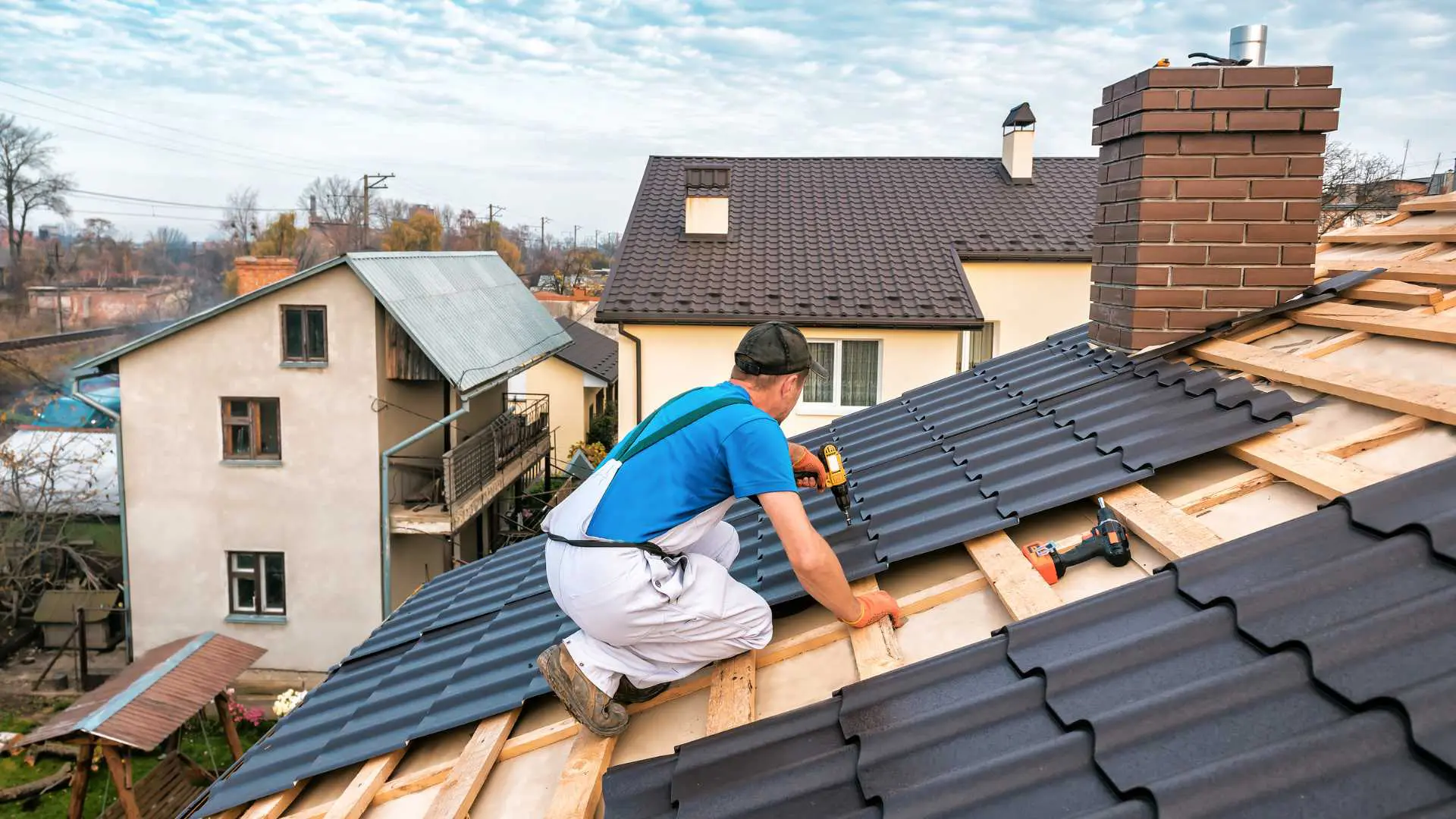
Roof inspections are crucial for maintaining the durability and lifespan of commercial roofs. Here is how DIY vs. professional commercial roof inspections compare. Refrain from regular inspections to avoid premature failure, damage to the building, and costly repairs. Regarding commercial roof inspections, there are two options: DIY or professional inspections. While both have their advantages and disadvantages, it is essential to consider several factors before deciding which is best for your commercial property.
Key takeaways
- Use DIY walk-throughs for routine checks and professionals for detailed, documented condition reports
- Inspect commercial roofs at least twice a year and after major storms
- Never access a roof without safe ladder setup, fall protection, and a second person present
- Keep dated photos and notes so small issues can be tracked and fixed early
DIY Commercial Roof Inspections
Pros of DIY Inspections
Performing a DIY roof inspection can be cost-effective for business owners who want to save money on maintenance costs. Here are some of the benefits of DIY inspections:
- Saves money: Hiring a professional roofer for inspections can be expensive, especially if you have a large commercial property. Performing your own inspections can help you save money on labor costs.
- Familiarity with the roof: As a business owner, you are familiar with your building’s layout and history. This knowledge can help you identify potential issues with your roof.
- Convenience: DIY inspections can be done at your own pace and schedule.
Cons of DIY Inspections
While DIY inspections may seem like a good idea, there are some disadvantages to consider:
- Lack of expertise: Roof inspections require a certain level of expertise, and performing your inspections may only detect some issues.
- Safety concerns: Inspecting a commercial roof can be dangerous, especially for those not experienced in heights. Accidents can happen, leading to serious injuries or even fatalities.
- Missed issues: Without the right equipment and training, some issues can be missed, leading to further damage.
Professional Commercial Roof Inspections
Pros of Professional Inspections
Hiring a professional roofer to perform a commercial roof inspection can offer several advantages:
- Expertise: Professional roofers have the training and experience to identify issues that may need to be noticed to the untrained eye.
- Safety: Professional roofers are equipped with the right safety equipment and have the training to work at heights safely.
- Comprehensive inspections: Professional inspections are thorough, ensuring all issues are identified and addressed promptly.
Cons of Professional Inspections
While there are many advantages to hiring a professional for inspections, there are some disadvantages to consider:
- Cost: Professional inspections can be costly, especially if you have a large commercial property.
- Scheduling: You may need to schedule the inspection during a time that is convenient for the roofer, which may not be ideal for your business.
- Reliance on others: You are dependent on the roofer’s expertise, and if they miss something, it can lead to further damage.
Factors to Consider
Several factors need to be considered when deciding between DIY and professional roof inspections:
Cost
Cost is a significant factor when deciding whether to perform a DIY inspection or hire a professional. While a DIY inspection can save money on labor costs, it may not detect all issues, leading to more expensive repairs in the long run. On the other hand, professional inspections may be more costly upfront but can save money in the long term by catching issues early and preventing further damage.
Time and Effort
Performing a DIY inspection can be time-consuming, especially for business owners with other tasks. In contrast, hiring a professional roofer to perform the inspection can save time and effort, allowing you to focus on other aspects of your business.
Safety
Safety is a crucial factor to consider when deciding between DIY and professional inspections. Inspecting a commercial roof can be dangerous, especially for those not experienced in heights. Hiring a professional roofer ensures that the inspection is conducted safely, minimizing the risk of accidents.
Expertise
Roof inspections require expertise, and performing your inspections may only detect some issues. Hiring a professional roofer ensures that the inspection is thorough and all issues are identified and addressed promptly.
F.A.Q.
Can a commercial roof inspection uncover hidden issues that are not visible to the naked eye?
Yes, a professional roofer can use specialized equipment, such as moisture detection devices and infrared cameras, to detect issues that may not be visible to the naked eye.
How often should I have my commercial roof inspected?
Having your commercial roof inspected at least twice a year is recommended, ideally in the spring and fall. However, the frequency of inspections may vary depending on factors such as the age of the roof, weather conditions, and foot traffic.
What are the most common issues found during commercial roof inspections?
The most common issues found during commercial roof inspections include leaks, punctures, cracks, ponding water, and damage to flashing and seals.
Can I perform my own commercial roof inspection?
While performing your commercial roof inspection is possible, it is not recommended, as it requires specialized equipment and expertise. Hiring a professional roofer ensures that the inspection is comprehensive and all issues are identified and addressed promptly.
Can regular commercial roof inspections help prolong the lifespan of my roof?
Yes, regular commercial roof inspections can help prolong the lifespan of your roof by identifying minor issues before they turn into major problems. This allows for prompt repairs, preventing further damage and extending the roof’s life.
In conclusion, DIY and professional commercial roof inspections have advantages and disadvantages. While your inspections may save money, it may only detect some issues, leading to further damage and costly repairs. Hiring a professional roofer ensures that the inspection is comprehensive, promptly identifying and addressing all issues. When deciding between DIY and professional inspections, it is essential to consider factors such as cost, time and effort, safety, and expertise.
What to Check During a DIY Commercial Roof Walk-Through
If you choose to handle routine checks yourself, a simple, repeatable checklist keeps the visit focused and short. Many owners start from the ground and indoors, looking for ceiling stains, damp insulation, or daylight around roof penetrations. Only go onto the roof if there is safe, permanent access and you are comfortable at heights.
Once on top, walk the perimeter first, then move toward the center. Look for standing water that lingers well after rain, loose or lifting seams, cracked sealant around vents and HVAC curbs, and clogged drains or scuppers. Take dated photos from the same spots each visit so you can compare conditions over time and spot slow changes a single visit might miss.
Keep your in-house inspection notes simple and consistent. A one-page form with the date, weather conditions, areas checked, and any concerns is enough. If you find something worrying, such as a soft spot underfoot, a new stain indoors, or a torn seam, mark the location on a basic roof sketch and schedule a professional visit rather than attempting a repair on the spot.
- Drains, gutters, and scuppers clear of debris
- Flashing tight at walls, curbs, and edges
- No blisters, splits, or punctures in the membrane
- Rooftop equipment panels secured and sealed
Combining DIY vs. Professional Commercial Roof Inspections
The DIY vs. professional commercial roof decision does not have to be one or the other. Many property owners get good results from a hybrid schedule: a professional inspection once or twice a year, supported by quick in-house checks after storms and between visits. The professional sets the baseline and documents conditions, and your team watches for changes.
To make a hybrid plan work, ask the inspector to walk the roof with your maintenance person at least once, pointing out the areas most prone to trouble on your specific building. Keep their report, your photos, and any repair invoices in one folder. That record helps with warranty claims, insurance questions, and budgeting, and it gives future contractors a clear history of the roof.
- Professional inspection once or twice a year
- Quick in-house checks after storms
- One shared folder for reports, photos, and invoices
- Prompt professional follow-up on anything unusual
How to Choose a Qualified Commercial Roof Inspector
Not every roofer is experienced with commercial systems. Flat and low-slope roofs such as TPO, EPDM, PVC, modified bitumen, and built-up roofing each have their own weak points, so ask which systems the inspector works on most often. Confirm licensing and insurance where your state requires them, and ask whether they carry liability coverage for work on your property.
Request a sample report before hiring. A useful report includes photos, a roof diagram marking problem areas, and prioritized recommendations separating urgent repairs from items that can wait. Be cautious if an inspection seems designed mainly to sell a full replacement. Inspection fees often depend on roof size, access, and whether tools like infrared scans are included, and prices vary by region.
Once you have chosen an inspector, ask about follow-up. Some firms offer maintenance agreements that bundle scheduled inspections with minor repairs like resealing flashing and clearing drains. These plans can make budgeting more predictable and help ensure small problems are handled promptly. Read the terms carefully, and compare what is included against the cost of booking inspections and repairs separately.
- Experience with your specific roof type
- Proof of insurance and any required license
- Written report with photos and priorities
- Clear pricing before the visit
Frequently Asked Questions
What time of year is best for a commercial roof inspection?
Spring and fall are usually the best times for a commercial roof inspection. A spring visit catches winter damage from ice, snow, and freeze-thaw cycles, while a fall visit prepares the roof for harsh weather. Schedule an extra check after any major storm, hail, or high winds.
Is a DIY vs. professional commercial roof inspection better for insurance purposes?
A professional inspection is generally better for insurance purposes because it produces a documented, third-party report. Insurers and warranty providers often look for records from qualified inspectors. Your own dated photos and notes are still valuable as supporting evidence of regular maintenance between professional visits.
What safety gear do I need to inspect a flat commercial roof?
At minimum, wear non-slip footwear, use a properly secured ladder or permanent roof hatch, and never go up alone. Stay well away from roof edges, skylights, and openings, which can be fall hazards. If the roof lacks guardrails or safe access, leave the inspection to trained professionals with fall protection.
How long does a professional commercial roof inspection take?
A professional commercial roof inspection often takes anywhere from about an hour to half a day, depending on roof size, complexity, and access. Inspections that include moisture scans, core samples, or detailed reports may take longer, and the written report usually follows within a few days.