Are you looking for a unique and space-saving way to decorate your walls with greenery? Then, DIY wall planters are the perfect solution for you. Wall planters can make any indoor or outdoor space feel more inviting and refreshing, and they’re a great way to bring some natural beauty into your home. In this blog post, we’ll show you some fantastic DIY wall planter ideas with tutorials for making floating planters.
Key takeaways
- Find wall studs or use rated anchors so filled planters stay securely mounted
- Choose plants that match each wall’s light, from low-light indoor spots to sunny patios
- Add drainage and protect walls from moisture to prevent stains and rot
- Use lightweight potting mix and water carefully, as vertical planters dry out unevenly
Indoor Wall Planters
1. Geometric Wall Planter

If you’re looking for an easy and stylish way to add some greenery to your walls, this DIY geometric wall planter is a great choice. All you need is some wood, glue, and some small plants, and you’re good to go.
Materials:
- Wooden boards
- Wood glue
- Small plants
- Nails
- Hammer
- Measuring tape
- Pencil
Instructions:
- Cut the wooden boards to the size and shape you want for your wall planter. Make sure to cut four pieces of wood to create a square shape.
- Glue the wooden pieces together to create a geometric shape.
- Nail the shape to the wall where you want it to hang.
- Fill the planter with soil and small plants.
Call to action: Try making your own geometric wall planter and add some greenery to your indoor space.
2. Hanging Mason Jar Planter

This simple and affordable DIY project is perfect for those who love the rustic look of mason jars. You can use any type of plant or succulent in these hanging mason jar planters, and they look great when hung in a group.
Materials:
- Mason jars
- Twine or rope
- Small plants or succulents
- Soil
- Scissors
- Hooks
Instructions:
- Fill each mason jar with soil and a small plant or succulent.
- Cut a length of twine or rope, making sure it’s long enough to hang the mason jar at the desired height.
- Tie the twine or rope around the top of the mason jar.
- Hang the mason jar planter from a hook on the wall.
Call to action: Make your own hanging mason jar planter and add some rustic charm to your indoor space.
Outdoor Wall Planters
1. Pallet Wall Planter

A pallet wall planter is a fantastic way to add some greenery to your outdoor space. You can use the pallets in their natural state or paint them to match your decor.
Materials:
- Wooden pallets
- Saw
- Hammer and nails
- Measuring tape
- Soil
- Plants
Instructions:
- Measure and cut the pallets to the desired size and shape.
- Nail the pallets together to create a box-like shape.
- Fill the pallets with soil and small plants.
Call to action: Try making your own pallet wall planter and create a beautiful outdoor green space.
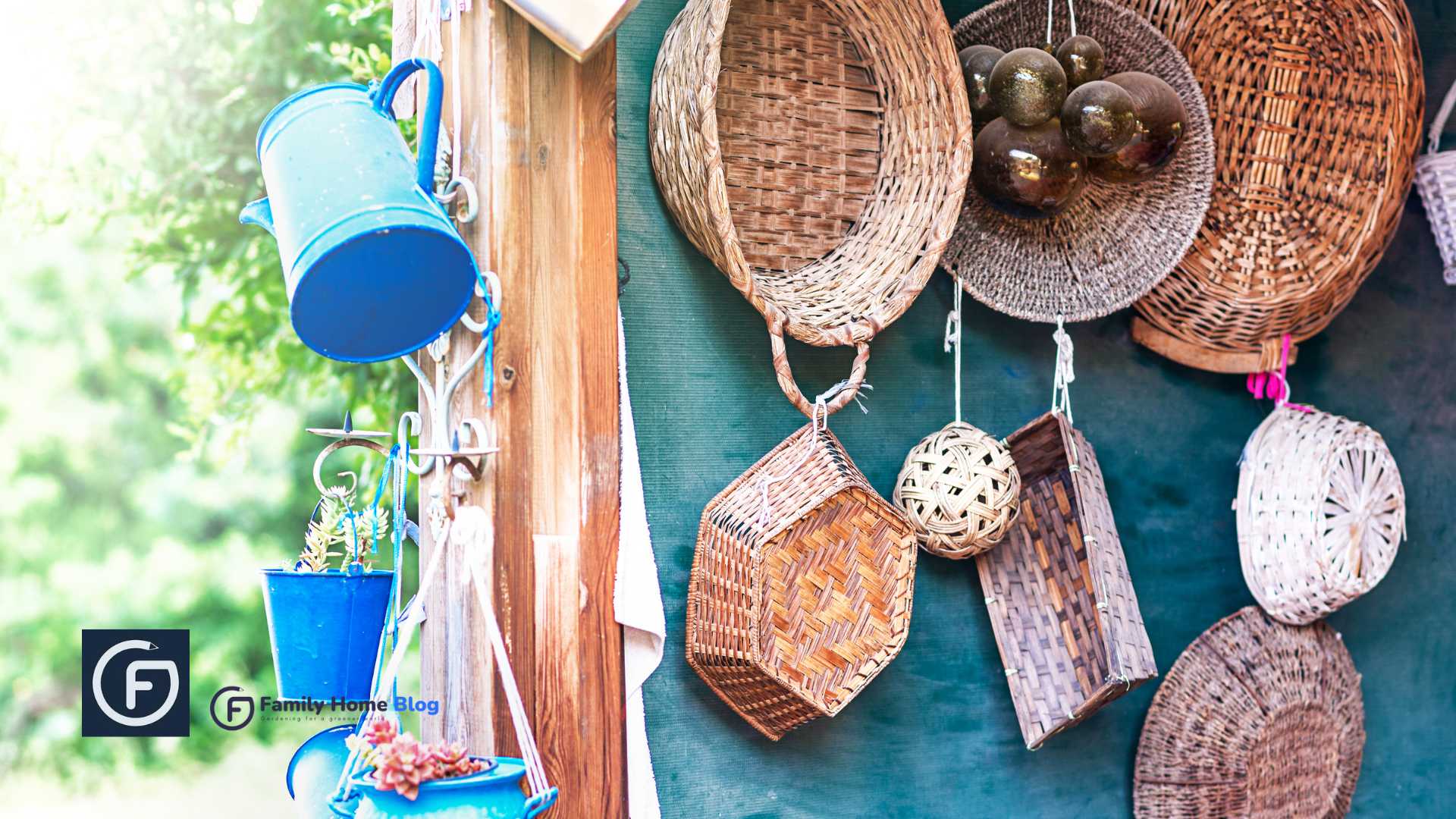
2. Hanging Basket Wall Planter

This DIY hanging basket wall planter is a great way to add some color and texture to your outdoor walls. You can use any type of basket for this project, and it’s an affordable way to create a unique and eye-catching wall display.
Materials:
- Hanging baskets
- Twine or rope
- Soil
- Plants
Instructions:
- Fill each basket with soil and plants.
- Cut a length of twine or rope, making sure it’s long enough to hang the basket at the desired height.
- Tie the twine or rope around the top of the basket.
- Hang the baskets from hooks on the wall.
Call to action: Grab some hanging baskets, plants, and hooks, and create your very own hanging basket wall planter to add some natural beauty to your indoor or outdoor space. Don’t forget to share your creations with us!
3. Wooden Ladder Wall Planter

If you have an old wooden ladder lying around, then this DIY wall planter is perfect for you. You can repurpose your old ladder into a beautiful vertical garden and add some greenery to your outdoor walls.
Materials:
- Wooden ladder
- Saw
- Sandpaper
- Paint or wood stain
- Soil
- Plants
Instructions:
- Sand the ladder down to remove any rough edges.
- Paint or stain the ladder to match your decor.
- Attach the ladder to the wall using hooks or nails.
- Fill the ladder with soil and plants.
Call to action: Repurpose an old wooden ladder and turn it into a beautiful vertical garden.
How to Hang a DIY Wall Planter Securely
A planter full of wet soil can be much heavier than it looks, so secure mounting is the most important step in any DIY wall planter project. Use a stud finder to locate wall studs and screw into them whenever possible. If a stud is not where you need it, use wall anchors rated for more weight than the planter will hold when fully watered.
On brick, concrete, or stucco outdoor walls, use masonry anchors and a drill bit made for that material. Hang heavier planters lower on the wall and keep them out of walkways where people could bump into them. Check hardware every few months, especially outdoors, since weather and repeated watering can loosen screws over time. For renters, freestanding ladder shelves or over-the-rail planters can give a similar look without drilling into walls.
- Screws into studs for heavy planters
- Weight-rated anchors for drywall
- Masonry anchors for brick and concrete
- Level before drilling
Choosing the Best Plants for Wall Planters
Plant choice depends mostly on light. Before planting, watch how much sun the wall gets throughout the day. Indoor walls away from windows suit low-light plants like pothos, philodendron, and some ferns. Bright indoor walls can support succulents, herbs, and small trailing plants. Outdoor walls in full sun work well with drought-tolerant plants, while shaded patios suit ferns and shade-loving annuals.
Keep plants in each planter similar in their water and light needs so one does not suffer while another thrives. Trailing plants soften the edges of geometric or pallet planters, and compact herbs are practical near a kitchen door. If you have pets or young children, check that your plant picks are non-toxic before hanging them within reach.
Consider how much maintenance you want. Succulents and many herbs are forgiving if you occasionally forget to water, while ferns and flowering annuals usually need more regular attention. For outdoor wall planters, think about your climate and whether plants will survive winter or need to be treated as seasonal. Starting with a few easy plants lets you learn how your wall planter dries out before you invest in more delicate varieties.
Watering and Maintaining a DIY Wall Planter
Vertical planters dry out differently than regular pots. Water tends to drain toward the bottom, leaving top plants thirsty and lower ones soggy. Water slowly and check soil moisture with your finger at different levels. A lightweight potting mix drains well and keeps the total weight down, and a thin layer of liner can help hold moisture in pallet or wood planters.
Protect indoor walls by adding a drip tray, sealing wooden planters with an outdoor-safe finish, or placing a waterproof liner behind the planter. Outdoors, sealing or staining wood helps it resist rot. Trim leggy growth, remove dead leaves, and replace worn-out soil every season or two to keep your wall planter looking full and healthy.
Seasonal care keeps a DIY wall planter going for years. In spring, check wood for cracks, tighten hardware, and refresh the soil. In hot summer months, outdoor planters may need watering more often, sometimes daily in full sun. Before winter in cold climates, move tender plants indoors, empty planters that could crack from freezing, and store removable pieces somewhere dry. A little upkeep each season protects both the plants and your wall.
- Check soil at the top and bottom
- Use trays or liners to protect walls
- Seal wood planters against moisture
- Refresh soil every season or two
Frequently Asked Questions
How do I keep a DIY wall planter from damaging my wall?
Use a liner or waterproof backing behind the planter, add drainage trays for indoor pieces, and seal wooden planters. Leave a small gap between planter and wall so air can circulate. Water carefully to avoid overflow, and check the wall occasionally for stains, damp spots, or peeling paint.
What is the best soil for wall planters?
A lightweight, well-draining potting mix is usually best. Avoid garden soil, which is heavy and can compact. For succulents, use a cactus or succulent mix. Some gardeners add a small amount of perlite to improve drainage and keep weight down, which matters for anything mounted on a wall.
Do wall planters need drainage holes?
Drainage is important for most plants because standing water can cause root rot. If a planter has no holes, add a thin layer of gravel at the bottom and water sparingly, or use a nursery pot with drainage inside it. Indoors, pair drainage holes with a tray or liner.
How much weight can a DIY wall planter hold?
It depends on the materials and, most importantly, how it is mounted. Screws driven into wall studs or masonry anchors can hold much more than hardware in drywall alone. Always check the weight rating on anchors and plan for the planter’s weight when the soil is fully watered.
Conclusion
DIY wall planters are an excellent way to bring some natural beauty into your indoor or outdoor space. These floating planters are easy to make and can be customized to fit any decor style. Whether you choose to create a geometric wall planter, a hanging mason jar planter, a pallet wall planter, a hanging basket wall planter, or a wooden ladder wall planter, you’re sure to have a unique and eye-catching wall display that will impress your guests.
So, why not try making your own wall planter today and add some greenery to your walls? Happy crafting!
Call to action: Choose one of these DIY wall planter ideas and give it a try. Don’t forget to share your creations with us!