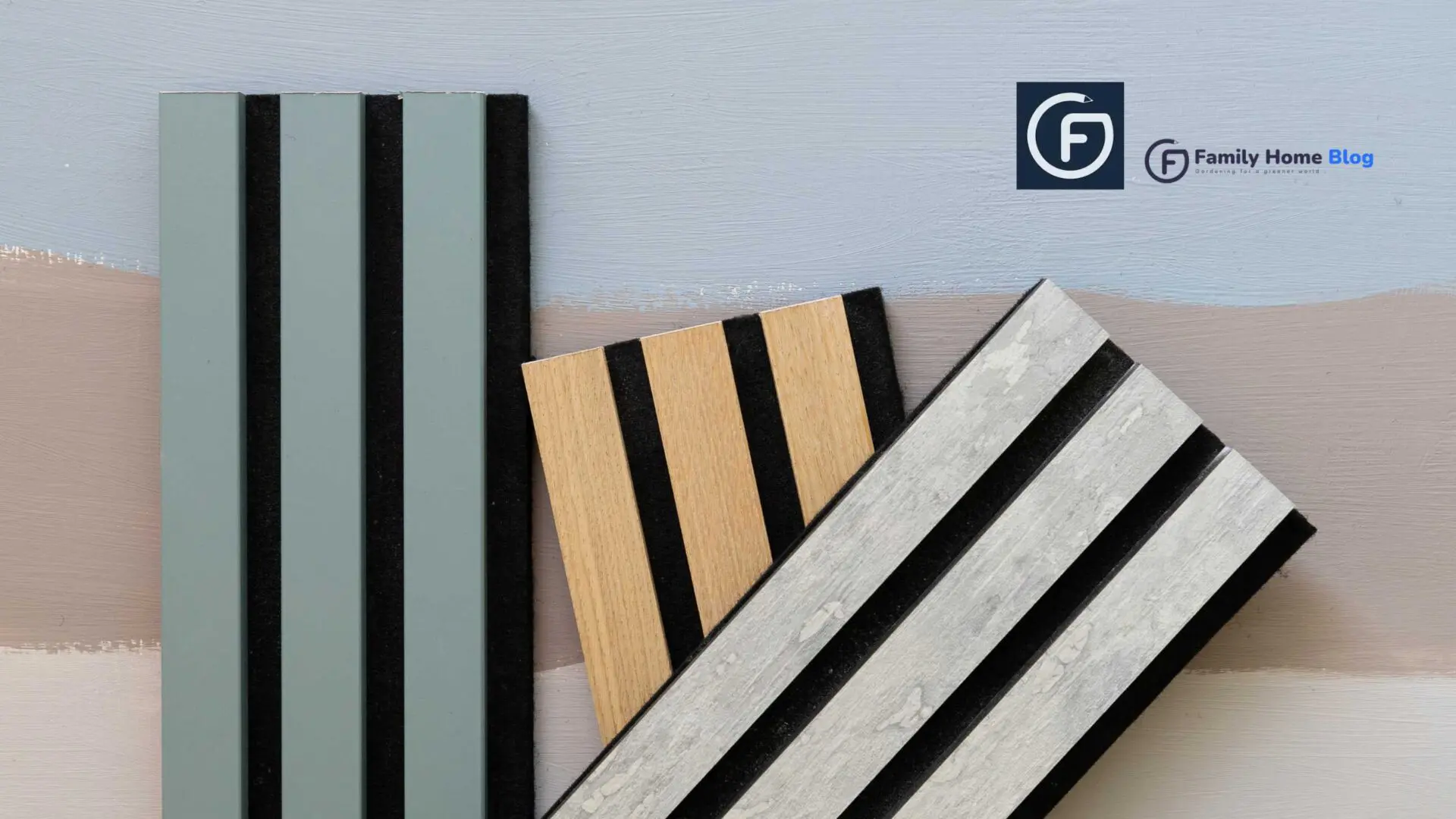
In the realm of interior design and acoustics, wooden acoustic panels emerge as silent heroes, seamlessly blending functionality with aesthetics. These versatile panels not only elevate the auditory experience but also add a touch of natural charm to any space. Let’s delve into the world of wooden acoustic panels and discover their transformative powers.
Key takeaways
- Acoustic panels reduce echo inside a room but do not fully block outside noise
- Choose panels with sound-absorbing backing and place them at reflection points and hard walls
- Measure the room and plan coverage before buying so the panels look intentional
- Dust panels regularly and keep them away from high humidity to protect the wood
This type of panels have gained significant popularity in recent years, offering a solution to the perennial problem of noise pollution in various settings, including offices, auditoriums, recording studios, and even residential spaces. Crafted from high-quality wood and engineered to perfection, these panels serve as an effective sound-absorbing medium while exuding elegance and sophistication.
The Science Behind Wooden Acoustic Panels
At the core of wooden acoustic panels lies sophisticated engineering that harnesses the natural properties of wood to dampen sound waves effectively. The panels feature intricate designs and patterns that create micro-voids, allowing sound energy to penetrate and dissipate within the panel structure. This process minimizes reverberation and echoes, resulting in clearer sound transmission and improved acoustics.
Versatility in Design
One of the most compelling aspects of wooden panels is their versatility in design. Available in a myriad of shapes, sizes, and finishes, these panels can be seamlessly integrated into any architectural style or interior decor theme. From sleek and modern designs to rustic and traditional aesthetics, there’s a wooden acoustic panel to suit every preference and requirement.
Environmental Sustainability
In an era where sustainability is paramount, wooden acoustic panels stand out as an eco-friendly choice. Sourced from responsibly managed forests and manufactured using environmentally conscious practices, these panels embody the principles of sustainability and contribute to a healthier planet. By opting for acoustic panels, individuals can reduce their carbon footprint while enhancing the acoustic quality of their spaces.
Applications Across Industries
Wooden acoustic panels find applications across a diverse range of industries, catering to both practical and aesthetic needs. In commercial settings, such as offices and conference rooms, these panels foster a conducive environment for productivity by reducing distractions and enhancing speech intelligibility.
In entertainment venues, such as theaters and concert halls, It plays a crucial role in creating immersive audio experiences for audiences. Even in residential settings, homeowners are increasingly turning to wooden acoustic panels to create tranquil spaces free from the noise of urban life.
Sound Absorption vs. Soundproofing: Setting Realistic Expectations
It helps to understand what acoustic panels can and cannot do before you buy. Wooden panels with a sound-absorbing backing are designed to absorb and diffuse sound inside a room. They cut down on echo, make voices clearer, and help a space with hard floors and bare walls feel calmer. That makes them a good fit for living rooms, home offices, and music rooms.
Soundproofing is a different goal. Stopping noise from traveling between rooms or from outside usually requires mass and airtight construction, such as added drywall layers, sealed gaps, insulation in walls, or solid-core doors. Panels on the surface of a wall will not stop a neighbor’s music or street traffic on their own.
Knowing the difference keeps expectations realistic. If echo is your main complaint, panels are a practical solution. If outside noise is the problem, a contractor can advise on soundproofing options. Many homes benefit from both: sealing gaps around doors and windows for noise from outside, then adding panels, rugs, and soft furnishings to calm the sound inside.
How to Choose Wooden Acoustic Panels for Your Home
Most options for homes are either slatted designs with wood strips mounted on a felt backing, or perforated panels with small holes over an absorbent core. The backing material does much of the sound-absorbing work, so look for products that list an acoustic performance rating, often shown as an NRC value. Higher numbers generally mean more absorption.
Think about coverage too. A single decorative panel may look lovely but make little difference in a large, echoey room. Measure the space and consider which walls are bare and hard. Choose a wood tone and finish that matches existing floors, furniture, or trim so the panels feel like part of the design.
Prices vary widely by wood type, size, and backing, and by region, so compare a few options before deciding. Ask for samples if possible so you can see the wood tone in your own lighting. Check how the panels are mounted, what hardware is included, and whether the supplier offers trim pieces for clean edges at corners and ceilings.
- Check for an acoustic rating such as NRC
- Look at the backing material, not just the wood
- Match the wood tone to floors or furniture
- Plan enough coverage for the room’s size
- Confirm finishes and adhesives are suitable for indoor use
Installing and Caring for Your Acoustic Panels
Placement matters as much as the panels themselves. In a living room or office, focus on large bare walls and the spots where sound bounces between you and a speaker or television. In a home office, the wall behind your desk and the wall facing you often make a noticeable difference on video calls.
Many slatted panels are installed with screws into studs or wall anchors, and some use construction adhesive. Use a stud finder, check for wiring and pipes before drilling, and use a level to keep lines straight. For ceiling installs or heavy panels, a professional installer is a safer choice. Always follow the manufacturer’s mounting instructions for your product.
Care is simple. Dust the slats with a soft brush or vacuum attachment, and avoid soaking the wood. Keep panels out of damp areas and direct heat sources, which can cause warping or fading over time. If a slat gets scratched, a matching wood touch-up marker usually hides it, but test it on a hidden spot first.
Frequently Asked Questions
Do wooden acoustic panels really work?
Yes, for reducing echo and reverberation inside a room. Panels with a sound-absorbing backing soften reflections from hard surfaces, which makes speech clearer and music more pleasant. They are much less effective at blocking noise coming from outside or from other rooms, which usually requires changes to walls, doors, and windows.
Where should I put acoustic panels in a room?
Start with the largest bare, hard walls and the areas where sound reflects between you and a speaker, TV, or desk. Walls behind and facing a seating area are common choices. In rooms with high ceilings, ceiling panels can help too. Spreading panels across a few surfaces often works better than covering one wall.
Can I install acoustic panels myself?
Many homeowners install wall panels themselves with basic tools such as a drill, level, stud finder, and screws or adhesive, following the manufacturer’s instructions. Check for hidden wiring and pipes before drilling. For heavy panels, ceiling installations, or rental homes with strict rules, hiring a professional installer is a safer option.
How do I clean wood slat acoustic panels?
Dust them regularly with a soft brush, a microfiber cloth, or a vacuum with a brush attachment, working along the slats. Avoid spraying water or cleaners directly onto the wood or felt backing. For marks on the wood, use a slightly damp cloth and dry it right away, following any care instructions from the manufacturer.
Conclusion
As we navigate an increasingly noisy world, the demand for effective sound management solutions continues to rise. Wooden acoustic panels emerge as a timeless solution, combining functionality, aesthetics, and sustainability in perfect harmony.
Whether it’s creating a productive workspace, enhancing the acoustic ambiance of a performance venue, or simply enjoying peace and quiet at home, It offers a versatile and elegant solution to our acoustic challenges. Embrace the magic of acoustic panels and transform your space into a haven of tranquility and auditory delight.