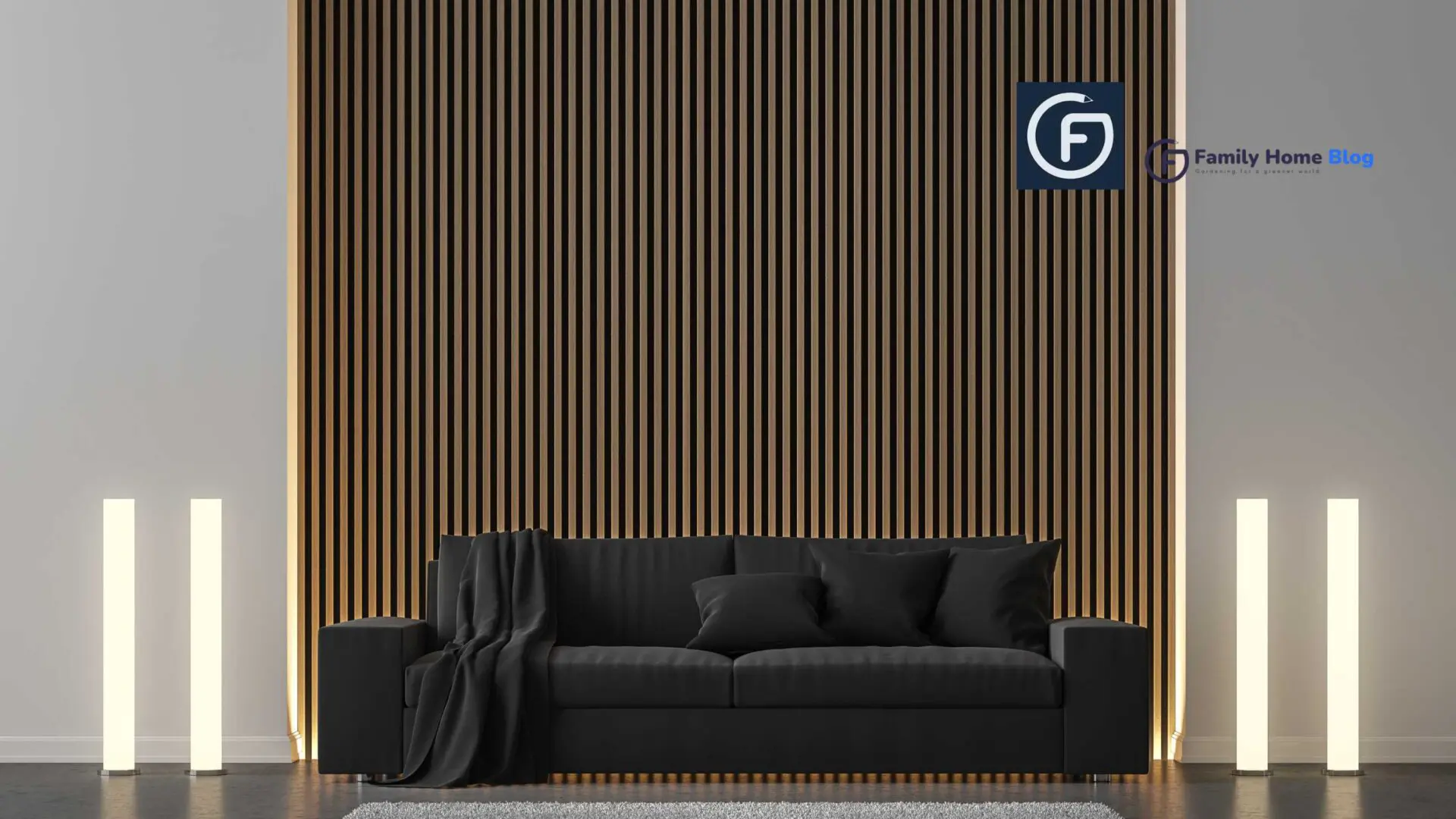
In the realm of interior design, the versatility of materials plays a pivotal role in shaping the aesthetics of a space. Among the myriad options available, wood slat walls have emerged as a timeless and captivating choice, adding both warmth and sophistication to any environment.
Key takeaways
- Plan slat spacing, direction, and backing color before buying materials for a wood slat wall
- Let wood acclimate indoors and use a level for every row to avoid visible drift
- Acoustic slat panels with felt backing can soften echo in living rooms and home offices
- Budget depends on wood species, panel type, wall size, and whether you hire an installer
A Wood slat wall, also known as timber slat wall, is a design element that utilizes horizontal or vertical slats to create a visually appealing surface. These slats, often made from various wood species, introduce a unique texture and character to walls, transforming them from mere boundaries into design statements.
Unveiling the Aesthetics
The beauty of wood slat walls lies in their ability to seamlessly blend with different design styles. Whether you’re aiming for a modern, rustic, or even an industrial look, wood slats offer a canvas of possibilities. The natural grain patterns and the warmth of wood evoke a sense of comfort, making spaces more inviting.
Versatility in Application
One of the key advantages of wood slat walls is their application versatility. From residential homes to commercial spaces, these walls find their place in various settings. They can be employed in living rooms to create an accent wall, in bedrooms to add a touch of luxury, or in offices to foster a conducive work environment.
The installation of wood slat walls isn’t limited to interiors alone. Exterior spaces can also benefit from the charm of wood slats, providing a harmonious connection between indoor and outdoor areas. Whether it’s an urban apartment or a countryside retreat, the adaptability of wood slat walls knows no bounds.
Practical Benefits
Beyond their aesthetic appeal, wood slat walls offer practical benefits. The installation of slats can enhance insulation, contributing to energy efficiency. The natural properties of wood also regulate humidity levels, creating a comfortable and healthy living or working environment.
Maintenance is another aspect where wood slat walls shine. Regular dusting and occasional polishing are usually sufficient to keep them looking pristine. This low-maintenance feature adds to the allure of wood slat walls, making them a practical choice for busy households or commercial spaces.
Incorporating Sustainability
As sustainability becomes a focal point in design, the use of wood slat walls aligns with eco-friendly practices. Opting for responsibly sourced and certified wood ensures that the environmental impact is minimized. The longevity of wood as a building material also contributes to sustainable design, reducing the need for frequent replacements.
How to Install a Wood Slat Wall Step by Step
Start by deciding on the direction and spacing of your slats. Vertical slats make ceilings feel taller, while horizontal slats can make a narrow room feel wider. Many people use a spacer block cut to the gap width so every slat sits the same distance apart. Paint the wall behind the slats first, usually in a dark color, so the gaps read as shadow lines.
Let the wood sit in the room for a few days to adjust to the indoor humidity. Mark studs, then attach the first slat perfectly plumb or level, because every other piece follows it. Slats are commonly fixed with construction adhesive and finish nails into studs or furring strips. Pre-assembled slat panels speed up the job considerably and are a good choice for first-time DIYers.
If you are covering a large wall or working around windows and doors, sketch the layout on paper first. Start from the most visible point, such as the center of the wall or a focal feature, so any narrower end pieces land in corners where they are less noticeable. Taking the time to plan now saves wasted material and awkward cuts later.
- Tape measure, level, and stud finder
- Miter saw for clean, square cuts
- Spacer block for consistent gaps
- Construction adhesive and a brad or finish nailer
- Wood filler and finish for touch-ups
Wood Slat Wall Costs and Budget Factors
The cost of this kind of feature wall varies widely, so it helps to know what drives the price. Wood species is a big factor: pine and poplar are often more affordable, while oak, walnut, and other hardwoods typically cost more. Pre-finished acoustic panels with a felt backing usually cost more than loose slats but save time on cutting, spacing, and finishing.
Wall size, the number of outlets and switches to cut around, and the finish you choose all add to the total. Hiring a carpenter adds labor costs, which vary by region and by how complex the layout is. Getting two or three written quotes and pricing materials from more than one supplier gives you a realistic picture before you commit.
Think about finish and color too. Clear oil or matte lacquer keeps a natural look, while stain lets you match existing floors or furniture. Try any finish on an offcut first, since the same product can look quite different on pine than on oak. Finishing slats before installation is often faster, with touch-ups done once they are on the wall.
Common Mistakes to Avoid With Wood Slat Walls
Uneven spacing is the mistake people notice most. Even a small drift from one slat to the next becomes obvious across a whole wall, so check level on every piece rather than every few. Skipping the paint behind the slats is another common regret, because a light wall showing through the gaps can make the finish look unfinished.
It is also easy to forget about electrical boxes, light switches, and thermostats until you reach them. Plan these cutouts from the start, and use box extenders where needed so covers sit flush and safe. Finally, choose a finish suited to the room. A matte or satin clear coat protects against fingerprints in busy areas, and moisture-resistant finishes are wiser near kitchens and bathrooms.
Lighting can make or break the finished result. Grazing light from wall washers or LED strips highlights the texture beautifully, but it also shows every uneven gap, so it rewards careful installation. Finally, keep a few spare slats and leftover finish stored flat indoors, which makes future repairs from knocks or scratches much easier to blend in.
Frequently Asked Questions
Do wood slat walls help with sound?
Yes, slat walls can help reduce echo, especially when they are installed as acoustic panels with a felt or fabric backing. The gaps and backing absorb some sound instead of reflecting it, which makes living rooms, media rooms, and offices feel quieter. They will not soundproof a room, though, so they are best for softening echo rather than blocking noise.
Can I install a wood slat wall myself?
Yes, many homeowners install one themselves, particularly with pre-assembled slat panels. You will need basic tools such as a level, stud finder, and saw, plus patience for careful spacing. If your wall has many outlets, uneven surfaces, or requires electrical changes, consider hiring a carpenter or licensed electrician for those parts.
How do you clean a wood slat wall?
Dust the slats regularly with a soft brush attachment on your vacuum or a microfiber cloth, working along each slat and into the gaps. For marks, use a slightly damp cloth and dry it immediately. Avoid harsh cleaners or soaking the wood, and follow any care guidance for the specific finish you used.
Should wood slats be vertical or horizontal?
Vertical slats usually work best if you want a room to feel taller, while horizontal slats can make a space feel wider and more relaxed. Vertical is the more common choice for accent walls and behind headboards or TVs. Consider the room’s proportions and where the eye naturally falls before deciding on direction.
Conclusion: Elevating Spaces with Wood Slat Walls
In conclusion, the allure of wood slat walls lies in their ability to elevate the visual appeal of any space while offering practical benefits and contributing to sustainable design. Whether you are aiming to create a cozy living room, a chic office, or a welcoming storefront, the versatility and timeless elegance of wood slat walls make them a captivating choice.
Transforming walls from mere dividers to design focal points, wood slat walls provide a canvas for creativity and individuality. As you embark on your journey to enhance your living or working space, consider the transformative power of wood slat walls—a design element that stands the test of time, both in aesthetics and functionality.