Every parent dreams of a backyard where their children can run free, play, and make unforgettable memories. But the thought of landscaping and installing recreational spaces often comes with a hefty price tag, leaving many families feeling disheartened. The good news is that creating a functional and delightful backyard for your kids doesn’t have to drain your wallet. With a strategic approach and some ingenious ideas, you can transform your outdoor space into a haven for your children to enjoy.
Key takeaways
- Sketch zones for active play, quiet time, and gardening before spending on backyard landscaping
- Use soft, impact-absorbing surfaces under climbing and swinging areas for safer play
- Tackle simple tasks yourself and hire pros for grading, drainage, electrical, and concrete work
- Phase projects over several seasons to spread costs and adjust as your kids grow
In this comprehensive guide, we will explore in detail how to make your backyard not only kid-friendly but also budget-friendly, focusing on the design and installation of a basketball sports court and a small outdoor patio for family enjoyment.

1. Plan Your Budget Wisely
The foundation of any budget-friendly project begins with meticulous planning. Set a realistic budget, taking into account all possible expenses. Research local landscaping services that specialize in cost-effective solutions. Don’t hesitate to seek multiple quotes and negotiate prices to ensure you get the best deal.
2. Creative Basketball Sports Court Design
When it comes to designing a basketball sports court, creativity can go a long way in saving costs. Instead of opting for expensive materials, consider using recycled or reclaimed materials. Old tires can be repurposed to create a shock-absorbent surface, and salvaged wood can be used for backboards and hoop supports. Engage your children in the process – they might have innovative ideas that not only cut costs but also add a personal touch to the court.
3. Affordable Outdoor Patio Solutions
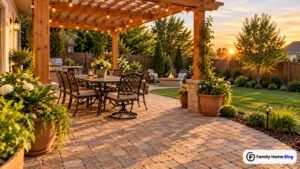
For the outdoor patio area, there are numerous budget-friendly options to explore. Gravel is a versatile and low-cost choice for flooring, providing excellent drainage and a rustic charm. Concrete pavers come in various shapes and sizes, allowing you to create intricate patterns without a hefty price tag. Enhance the ambiance with outdoor lighting, which can be achieved inexpensively through solar-powered lights or string lights, creating a magical atmosphere without increasing your electricity bill.
4. Family-Crafted Decor Elements
Involve your family in crafting decorative elements for your backyard. DIY projects like painting stones to create a colourful garden border or making a wind chime from recycled materials not only add character to your space but also serve as memorable family activities. These handmade touches infuse warmth and personality into your backyard without breaking the bank.

5. Sustainable Landscaping Choices
Choosing native and drought-resistant plants not only supports the local ecosystem but also reduces water consumption and maintenance costs. Consider planting fruit-bearing trees – they not only provide shade but also yield delicious, homegrown treats. Additionally, native plants attract local wildlife, creating a vibrant and engaging environment for your children to observe and learn from.
6. Multi-Purpose and Space-Saving Design
Maximize the functionality of your backyard by opting for multi-purpose features. Install a foldable basketball hoop that can be tucked away when not in use, allowing the space to serve other purposes. Utilize vertical gardening techniques to grow herbs or small vegetables, saving valuable ground space while adding greenery to your surroundings.
7. Regular Maintenance and Long-Term Savings
Lastly, invest in regular maintenance. Promptly fix any wear and tear to prevent costly repairs in the future. Regular cleaning and upkeep not only preserve the aesthetic appeal but also extend the lifespan of your backyard features. By addressing issues promptly, you avoid the need for major renovations down the line, saving significant amounts in the long term.
In conclusion, creating a functional and delightful backyard for your kids through budget landscaping services is not just a dream – it’s a feasible and rewarding endeavor. By combining creativity, family involvement, and smart choices, you can design a space where your children can play, learn, and grow, all while staying within your budget. Embrace the challenge, let your creativity flow, and watch as your backyard transforms into a magical realm of endless possibilities for your kids and the entire family to enjoy.
How to Plan Kid-Friendly Backyard Landscaping in Zones
Before calling a landscaper or buying materials, sketch your yard on paper and divide it into zones. A simple plan might include an active zone for running and ball games, a play zone for swings or a sandbox, a quiet zone with seating and shade, and a small garden bed kids can help care for. Zoning helps backyard landscaping stay organized even on a tight budget.
Place active zones where you can easily see them from the kitchen or back door, and keep them away from fragile plants and windows. Note where the sun falls through the day, where water pools after rain, and where utility lines run. Before any digging, contact your local utility locating service so buried lines can be marked.
A clear plan also makes quotes easier to compare, because every landscaper is pricing the same layout and materials. Build in some flexibility for the future, too. A sandbox can become a vegetable bed, and a toddler play corner can turn into a spot for a hammock or fire pit later, so choose layouts that will not need to be torn out as your kids grow older.
- Active zone: open lawn or court area
- Play zone: swings, sandbox, or climbing set
- Quiet zone: shaded seating for adults
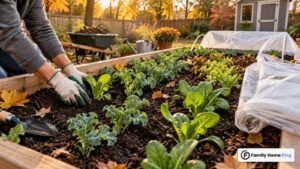
- Learning zone: a small kids’ vegetable bed
Backyard Safety Essentials for Families With Kids
Safety should shape every choice in a family yard. Under swings, slides, and climbing structures, use impact-absorbing surfaces such as wood mulch, rubber mulch, or sand at a generous depth rather than grass or bare dirt, which can become hard and compacted. Check play equipment regularly for loose bolts, sharp edges, and rust.
Choose plants carefully, too. Some common landscape plants are toxic if eaten, so check any plant against a reliable poison control or extension service list before planting where small children or pets play. Secure gates with latches kids cannot easily open, especially if you have a pool, pond, or busy street nearby. Store garden tools and chemicals in a locked shed or high shelf.
Finally, consider shade and water. A tree, shade sail, or large umbrella near play areas helps protect kids from strong sun during summer afternoons, and a nearby hose bib or water station makes it easy to refill bottles and rinse off. Keep sprinklers and hose reels out of main running paths to avoid tripping, and walk the yard after storms to check for fallen branches.
When to DIY and When to Hire Landscaping Services
Mixing DIY work with professional help is one of the best ways to stretch a backyard budget. Tasks like planting shrubs, spreading mulch, building simple raised beds, painting fences, and assembling play sets are usually manageable for most families. They can also become fun weekend projects that give kids a sense of ownership over the space, which often makes them more careful with plants and equipment later.
Other jobs are worth handing to professionals. Grading and drainage problems, pouring a concrete basketball pad, installing outdoor electrical outlets or lighting circuits, and removing large trees can involve permits, specialized equipment, or safety risks. Costs for these services vary widely by region and project size, so ask for itemized written quotes, check reviews and licensing, and ask whether the price includes cleanup and haul-away.
Timing can also help your budget. Many landscapers are busiest in spring, so booking design consultations or larger projects in the late summer or fall may give you more scheduling flexibility, depending on your area. Buying plants at the end of the growing season and starting with smaller sizes that fill in over time are other simple ways to save money without cutting corners on quality.
- DIY: planting, mulching, raised beds, painting
- Hire out: grading, drainage, concrete, electrical
- Get at least three itemized quotes
- Confirm licensing and insurance before hiring
Frequently Asked Questions
How can I make my backyard landscaping kid-friendly on a budget?
Start with a simple zoned plan and focus spending on high-use areas like an open lawn and a safe play space. Use low-cost materials such as mulch, gravel, and pavers, choose hardy native plants, and handle easy tasks yourself. Spreading the project over several seasons also keeps costs manageable while your family figures out what it uses most.
What is the safest ground cover for a backyard play area?
Loose-fill materials such as wood mulch, rubber mulch, and sand are commonly used under play equipment because they help cushion falls. Poured rubber and rubber tiles are another option, though they often cost more. Whatever you choose, keep it at a generous depth, extend it well beyond the equipment, and top it up as it compacts.
What plants are best for a backyard where kids play?
Tough, non-toxic plants that tolerate foot traffic and occasional ball hits work best. Durable turf grasses, native shrubs, and easy vegetables or herbs in raised beds are popular choices. Avoid plants with thorns or known toxicity near play areas, and check with your local extension service for options suited to your climate.
How much space do you need for a backyard basketball court?
You do not need a full court. Many families set up a half court or a simple shooting pad of a size that fits their yard, sometimes just enough for a hoop and a small driveway-sized slab. Measure your available space, leave room around the edges for safety, and adjust the design to fit your yard and budget.