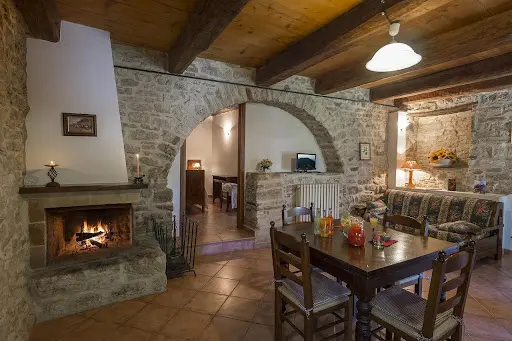
Sweeping your chimney is vital for keeping your home and family safe. Whether you use a wood-burning fireplace or have a gas or oil furnace, ensuring your chimney is clean and free of debris that could cause a fire or toxic fumes is essential.
Key takeaways
- Have your chimney inspected at least once a year and swept whenever buildup or blockages are found
- Watch for warning signs like strong odors, smoky rooms, black flakes, and poor draft
- Burn dry, seasoned wood and avoid smoldering fires to reduce creosote between sweeps
- Hire a trained, insured chimney sweep and prepare the fireplace area before the visit
Here’s what you need to know about the frequency you should sweep your chimney.
How often to Sweep Your Chimney
Isn’t it nice to sit by a warm and cozy fire when temperatures drop?
We all love that soothing ambience, but are you aware that the National Fire Protection Association (NFPA) recommends an annual chimney inspection?
That’s right! It ensures your fireplace’s safe and efficient operation by checking for any buildup on the flue walls or other blockages that need to be cleared out.
Suppose you’re burning softwoods like pine or fir – in that case, the NFPA suggests scheduling chimney sweeping even more frequently, as these woods produce more creosote. Compared to hardwoods like oak or maple, this is a highly flammable substance.
So, let’s keep those fires burning merrily and safely by following these crucial recommendations!
What Happens During Chimney Sweeping?
A friendly visit from a professional chimney sweep such as EMBR FIRES isn’t just about a quick tidying up – it’s like a check-up for the health of your fireplace!
As they inspect your chimney, they’ll be on the lookout for both obvious and hidden signs of damage, ensuring no blockages damage your toasty fires.
Next, they’ll give the flue a thorough, deep-clean, whisking away any stubborn creosote buildup clinging to the walls. And have you ever seen a chimney brush in action?
Those nifty tools are just for clearing out soot hanging around inside. To top it all off, they’ll unleash the power of an industrial vacuum to whisk away any loose debris hanging out in the flue’s depths. Then, with a professional chimney sweep on your side, your fireplace will be at its best all season long!
What happens if you don’t sweep your chimney?
Let me tell you something about chimneys you might need to be made aware of. You see, if you don’t sweep your chimney regularly, you risk yourself and your home.
What happens is that soot and creosote. A highly flammable byproduct of wood combustion, build up inside the chimney over time. If enough of this gunk accumulates, it can catch fire and cause quite the blaze in your chimney. This, in turn, can lead to extensive damage to your home or even a dangerous house fire.
So, ensuring your chimney is swept regularly is essential to keep you and your loved ones safe and warm. Remember, a clean chimney is a happy chimney!
Warning Signs Your Chimney Needs Sweeping Now
An annual schedule is a helpful baseline, but your fireplace may show signs that it needs attention sooner. A strong, smoky or tar-like smell, especially on humid days, often points to creosote buildup. Smoke drifting into the room instead of rising up the flue can signal a blockage or a draft problem that should be checked before you light another fire.
Look inside the firebox with a flashlight. Black, flaky deposits falling onto the hearth, shiny or tar-like coating on the flue walls, or debris such as leaves and nesting material all suggest it is time to book a chimney sweep. If you ever hear a loud roaring or popping sound from the chimney with dense smoke, treat it as a possible chimney fire, get everyone out, and call emergency services.
Between professional visits, a quick check each month during the burning season helps you catch problems early. Look at the firebox, damper, and visible flue for new deposits, cracks, or rust, and check the outside of the chimney for loose bricks, crumbling mortar, or a damaged cap after storms. Note anything unusual and mention it when you book your next inspection, since small repairs are usually simpler to handle early.
- Strong smoky or tar-like odors
- Smoke backing up into the room
- Fires that are hard to start or keep going
- Black flakes or debris in the firebox
- Animal sounds or nesting material in the flue
Burning Habits That Reduce Creosote Between Sweeps
How you burn makes a big difference to how quickly creosote builds up. Use only dry, seasoned firewood, which has usually been split and stored off the ground under cover for many months. Wet or green wood produces more smoke, and that smoke condenses on cool flue walls as creosote. A simple moisture meter can help you check your wood before burning.
Give fires enough air to burn hot and bright rather than letting them smolder for hours with the damper nearly closed. Never burn cardboard, wrapping paper, painted or treated wood, or household trash, as these can release harmful fumes and create sudden flare-ups. Smaller, hotter fires built with plenty of kindling are generally cleaner than large, slow, smoky ones.
Your home setup matters too. Keep the fireplace doors or screen closed while a fire burns, and make sure the damper is fully open before lighting. Install a chimney cap if you do not already have one, since it helps keep out rain, debris, and animals that can cause blockages. Test smoke and carbon monoxide alarms regularly, especially on levels with a fireplace or wood stove. Store firewood away from the house to reduce pests, and never leave a burning fire unattended.
How to Choose and Prepare for a Chimney Sweep
When hiring a chimney sweep, ask whether they hold a recognized industry certification, carry liability insurance, and provide a written report of what they found. A good sweep will explain any problems in plain terms, show you photos where possible, and separate essential repairs from optional upgrades. Get more than one opinion if you are quoted for major work you did not expect.
Book early in late summer or early fall, since schedules often fill up once the weather cools. Stop using the fireplace at least a day before the visit so the ashes are cold. Clear furniture, rugs, and decorations from around the hearth, and make sure the sweep can safely reach the roof and any attic access if needed. Prices vary by region and chimney type, so ask for an estimate in advance.
- Ask about certification and insurance
- Request a written inspection report
- Book before the heating season rush
- Let the fireplace cool fully before the visit
Frequently Asked Questions
How much does a chimney sweep typically cost?
A standard chimney sweep is often a moderate, one-time yearly expense, but prices vary by region, chimney height, access, and how much buildup there is. Inspections that use cameras, or repairs found during the visit, add to the cost. Always ask for an estimate before the work begins.
Do gas fireplaces need chimney sweeping?
Gas fireplaces do not produce creosote the way wood does, but their venting still needs regular inspection. Nests, debris, and corrosion can block or damage the flue and allow harmful gases to back up. An annual check by a qualified technician is a sensible safety step.
Can I sweep my own chimney?
Some homeowners do sweep their own chimneys with rod and brush kits, but it is messy work that often involves climbing on the roof. A DIY clean also cannot replace a professional inspection for cracks, damaged liners, or other hidden problems. For safety, many families choose a professional sweep.
How long does a chimney sweep take?
A routine chimney sweep and basic inspection usually takes an hour or two for a typical home. Heavily clogged flues, multiple fireplaces, or more detailed camera inspections can take longer. Your sweep should be able to give you a time estimate when you book.
Conclusion
As the days grow colder and we gather around cozy fireplaces. It’s crucial to remember the importance of regular chimney maintenance. Keeping your chimney in tip-top shape maintains its integrity and safeguards your home from potential fires and toxic fumes.
The friendly folk at the National Fire Protection Association (NFPA) suggest scheduling an annual chimney inspection and sweeping it as needed.
Fun Fact: If you typically burn soft woods like pine or fir, you might need your chimney swept more frequently due to the increased creosote buildup they create.
Don’t worry if all this sounds daunting – that’s what professionals are for!
An expert can ensure your chimney is thoroughly inspected and cleaned, allowing you to enjoy a warm, safe, and worry-free fireplace all year.