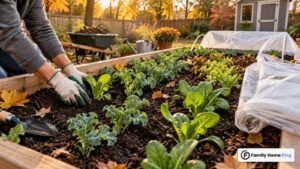
Growing vegetables can be a rewarding and cost-effective way to enjoy fresh and healthy produce throughout the season. However, if you’re new to vegetable gardening, it can take time to know where to start. Here are ten essential tips to help you grow a successful vegetable garden:
Key takeaways
- Give vegetables at least six hours of direct sun and well-draining, compost-rich soil
- Mulch beds to hold moisture, cool the soil, and cut down on weeding
- Keep a simple garden journal to track planting dates, varieties, and problems
- Extend your harvest with succession planting and a fall crop of cool-season vegetables
1. Choose the Right Location for a Successful Vegetable Garden
Vegetable gardens need plenty of sunlight, so choose a location with at least six hours of direct sunlight daily. The location should also have well-draining soil and be protected from strong winds.
2. Start with Healthy Soil
Healthy soil is essential for growing healthy and productive vegetables. Test your soil to determine its pH level and nutrient content, and amend it with organic matter if necessary.
3. Select the Right Vegetables
Choose vegetables that are well-suited to your growing zone and climate. Start with easy-to-grow vegetables like tomatoes, cucumbers, and peppers, and then experiment with other varieties as you gain more experience.
4. Plant at the Right Time
Timing is important when it comes to planting vegetables. Consult a planting calendar for your area to determine the best time to plant each vegetable.
5. Space Your Plants Properly
Proper spacing is essential for healthy and productive plants. Follow the spacing recommendations on the seed packet or plant label to ensure your plants have enough room to grow.
6. Water Regularly
Vegetable plants need consistent moisture to thrive. Water your plants regularly, taking care not to overwater or underwater.
7. Fertilize Appropriately
Vegetable plants need nutrients to grow and produce healthy fruit. Use organic fertilizer to give your plants the necessary nutrients without harmful chemicals.
8. Control Pests and Diseases
Pests and diseases can quickly destroy a vegetable garden. Keep a close eye on your plants and take action immediately if you notice any signs of pest or disease infestation.
9. Harvest at the Right Time
Vegetables taste best when they’re picked at the peak of ripeness. Consult a harvesting guide to determine the best time to harvest each vegetable.
10. Rotate Your Crops
Rotating your crops is important for preventing soil-borne diseases and maintaining healthy soil. Plan to rotate your crops yearly to keep your soil healthy and productive.
Use Mulch and Smart Watering to Save Time
Mulch is one of the simplest ways to make a vegetable garden easier to manage. A two to three inch layer of straw, shredded leaves, or untreated grass clippings holds moisture in the soil, keeps roots cooler in summer heat, and smothers many weed seeds before they sprout. It also breaks down over time and adds organic matter to the soil.
Pair mulch with efficient watering. Soaker hoses or drip lines deliver water right to the roots, lose less to evaporation, and keep leaves dry, which helps reduce many plant diseases. A simple hose timer can make consistent watering far easier during busy weeks. Water early in the day when possible, and check soil moisture a couple of inches down before adding more.
Water needs change through the season. Young seedlings need frequent light watering until their roots are established, while mature plants do better with deeper, less frequent soakings that encourage roots to grow down. During heat waves, containers and raised beds may dry out quickly and need a daily check. Adjust your routine rather than following a fixed schedule all summer.
- Wait until soil warms before mulching warm-season crops
- Keep mulch a little away from plant stems
- Avoid clippings from lawns treated with herbicides
Keep a Garden Journal to Build a Successful Vegetable Garden Year After Year
Experienced gardeners rely on records as much as instinct. A simple notebook or notes app where you log planting dates, varieties, weather events, pest problems, and harvest amounts becomes more valuable every season. It shows you which tomato variety thrived, which bed stayed too wet, and when the first beetles usually appear.
Your journal also makes crop rotation much easier and far less of a guessing game, because you can see exactly what grew where in previous years. Sketch a quick map of your beds each season and note which plant families were in each spot. Over time, those notes help you fine-tune timing, spacing, and plant choices so each season builds on the last.
Photos are a useful addition to written notes. A quick picture of each bed every couple of weeks shows how plants developed and helps you spot patterns, such as a corner that always struggles or a crop that grew larger than expected. Reviewing your notes and photos over the winter makes seed shopping and spring planning much easier and more focused.
Extend Your Harvest With Succession and Fall Planting
Many gardens produce a big rush in midsummer and then fade. Succession planting helps avoid that feast-or-famine pattern. Instead of sowing all your lettuce, beans, or radishes at once, plant small batches every two to three weeks. As one planting finishes, the next is ready to harvest, giving you a steadier supply for the kitchen.
Late summer is also a good time to plan a fall garden. Cool-season crops such as lettuce, spinach, kale, carrots, and radishes often taste sweeter when they mature in cooler weather. Count back from your average first fall frost date using the days to maturity on the seed packet to know when to sow. Lightweight row covers can protect plants from early frosts and stretch the season a few extra weeks.
Cleaning up at the end of the season also sets you up for next year. Remove spent and diseased plants, add a layer of compost or shredded leaves to empty beds, and consider sowing a cover crop where your climate allows. Protecting and feeding the soil over winter helps your beds start the next season healthy, loose, and ready for planting.
- Replace spent crops quickly to use bed space
- Choose faster-maturing varieties for late plantings
- Keep row covers handy for surprise cold nights
Frequently Asked Questions
What is the secret to a successful vegetable garden?
There is no single secret, but a successful vegetable garden usually comes down to good sunlight, healthy soil rich in organic matter, consistent watering, and regular attention. Checking your plants every day or two lets you catch pests, disease, and dry soil early. Keeping notes each season helps you repeat what works and fix what does not.
How do I test my garden soil?
Simple home test kits give a rough idea of pH and major nutrients, while a lab test through your local cooperative extension office typically gives more detailed results and recommendations. Collect small samples from several spots in the bed, mix them together, and follow the testing instructions closely. Testing every few years is usually enough for most home gardens.
What vegetables should not be planted together?
Plants from the same family are often better spread out because they share pests and diseases. For example, tomatoes, peppers, potatoes, and eggplant are all related. Tall crops like corn or pole beans can also shade out sun-loving neighbors. Group plants with similar water and sun needs, and use rotation to move families to new spots each year.
How can I keep pests out of my vegetable garden naturally?
Start with prevention. Healthy plants resist pests better, so focus on good soil, proper spacing, and consistent watering. Hand-pick larger insects, use row covers on crops prone to pests, and plant flowers nearby to attract beneficial insects. Check the undersides of leaves often, and remove badly affected plants before problems spread.
Conclusion
Growing a successful vegetable garden takes time, patience, and a bit of know-how. However, by following these essential tips, you can start your vegetable garden off on the right foot and enjoy a bountiful harvest all season.