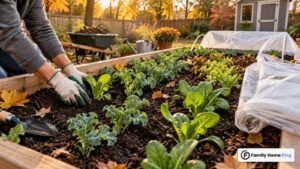
Gardening is not just a hobby; it’s a way of life. Growing your herbs and vegetables provides fresh and flavorful produce and contributes to your overall well-being.
Key takeaways
- Choose a spot with at least six hours of sun, good drainage, and easy access to water
- Start small with easy herbs and vegetables, then expand once you learn what grows well
- Use containers or raised beds when space is limited or garden soil is poor
- Mulch, check soil moisture, and plan plantings around your local frost dates for steadier harvests
Gardening is an excellent form of exercise that provides both physical and mental benefits. From reduced stress and anxiety to increased self-sufficiency, gardening has something to offer everyone.
Choosing the Right Location
The first step in starting your home garden is choosing the right location. Consider a location that receives at least six hours of sunlight per day.
Avoid standing water or poor drainage areas, as it can lead to root rot. Instead, choose a location that is easily accessible, close to a water source and free from unwanted pests.
Preparing the Soil

Once you have identified the location, the next step is preparing the soil. Remove any debris, rocks or weeds from the area. Break up the soil using a spade or tiller. Add organic matter such as compost, manure, or peat moss to improve soil fertility and texture. Mix the organic matter into the soil to a depth of at least six inches.
Selecting the Right Herbs and Vegetables
When selecting the right herbs and vegetables, consider your climate, soil type, and available space. Then, select plants that thrive in your area and have similar water and sunlight requirements. For beginners, start with easy-to-grow plants such as basil, chives, mint, lettuce, and tomatoes.
Starting Your Seeds
Starting your seeds indoors is an excellent way to ensure your plants’ success. Use seed-starting trays or containers with drainage holes. Fill the container with a good-quality potting mix and water well. To plant the seeds, follow the instructions on the package carefully and cover them with a light layer of soil. Ensure the soil remains evenly moist, and opt for a warm and sunny location to position the container.
Watering and Fertilizing Your Plants
Watering is critical to the success of your garden. Plants need an inch of water per week from rainfall or irrigation. Fertilizing your plants is also essential to promote growth and productivity. Organic fertilizers, like compost, manure, or synthetic fertilizers, should be applied per the package’s instructions.
Harvesting Your Herbs and Vegetables
Harvesting your herbs and vegetables at the right time is crucial for optimal flavour and nutrition. Herbs can be harvested when fully grown, and vegetables can be picked when ripe. Remember to leave a few plants to seed as it will provide a source of seeds for future plantings.
Troubleshooting Common Issues
Despite your best efforts, your garden may need some help, such as pests, diseases, or poor growth. Regular monitoring and quick action are essential to address these issues. Implement natural methods for pest control, such as companion planting, crop rotation, or manually removing pests by hand. If the problem persists, consult a local gardening expert for advice.
Planning Your Planting Calendar Around Frost Dates
Timing is one of the biggest factors in growing herbs and vegetables successfully. Find the average last spring frost date and first fall frost date for your area, which local extension services and garden centers can usually provide. These dates tell you when it is safe to plant tender crops outdoors and how long your growing season lasts.
Cool-season crops such as lettuce, spinach, peas, radishes, and parsley can often go in before the last frost and again in late summer for a fall harvest. Warm-season crops such as tomatoes, peppers, cucumbers, and basil need warm soil and should wait until the danger of frost has passed. Before moving indoor seedlings outside, harden them off by setting them out for a few hours a day over a week or so.
- Look up your local frost dates
- Sow cool-season crops early and again in late summer
- Plant warm-season crops after frost danger passes
- Harden off seedlings before transplanting
Growing Herbs and Vegetables in Containers and Raised Beds
You do not need a large yard to grow your own food. Containers work well on patios, balconies, and front steps, and many herbs and compact vegetables thrive in them. Choose pots with drainage holes and use a quality potting mix rather than garden soil, which can compact in containers. Larger pots hold moisture longer and give roots more room.
Raised beds are a good middle ground for families who want a small garden. They warm up earlier in spring, drain well, and let you fill them with a rich soil and compost mix, which helps where native soil is heavy clay or very sandy. Keep beds narrow enough to reach the middle from each side so you never need to step on and compact the soil.
Containers need a slightly different routine from in-ground beds. Potting mix dries out faster, especially in small pots, dark containers, or windy spots, so check moisture daily during hot spells. Nutrients also wash out with frequent watering, which means container plants often benefit from regular, gentle feeding following the product label. Grouping pots together can help them hold humidity, and placing saucers or trays underneath protects decks and patios. At the end of the season, refresh or replace old potting mix before planting again.
Beginner Mistakes That Hold Gardens Back
Most new gardeners run into the same few problems. Planting too much at once is common, leading to a garden that is hard to keep up with by midsummer. Crowding plants is another, since seedlings look tiny at first. Follow the spacing on the seed packet so plants get enough air and light, which also helps reduce disease.
Watering habits matter too. Frequent light sprinkling encourages shallow roots, while deeper, less frequent watering helps plants cope with heat. Check the soil with your finger before watering, and water at the base of plants in the morning when possible. A layer of mulch around plants helps hold moisture, keeps soil temperatures steady, and cuts down on weeding.
Finally, remember that every garden is a learning process. Some crops will thrive while others struggle, even when you do everything right, because weather, pests, and soil all play a part. Try one or two new herbs or vegetables each season alongside proven favorites, and ask neighbors or a local garden club what grows well nearby. Over time, you will build a planting plan that fits your space and the way your family likes to eat.
- Start with a small, manageable space
- Follow spacing guidelines on seed packets
- Water deeply at the base, not over the leaves
- Add mulch to hold moisture and block weeds
- Keep simple notes on what worked each season
Frequently Asked Questions
What are the easiest herbs and vegetables for beginners to grow?
Good starting choices include basil, chives, mint, parsley, lettuce, radishes, bush beans, zucchini, and cherry tomatoes. These herbs and vegetables are generally forgiving, grow fairly quickly, and produce well in small spaces. Mint spreads aggressively, so many gardeners keep it in its own container.
Can I grow herbs and vegetables indoors?
Yes, many herbs and some leafy greens grow well indoors near a bright, sunny window. Herbs such as basil, parsley, chives, and mint are popular choices. If natural light is limited, a simple grow light can help. Fruiting crops like tomatoes are harder indoors because they need plenty of light.
How often should I water a vegetable garden?
Most vegetable gardens do best with deep watering a few times a week rather than a little every day. Check the soil a couple of inches down, and water when it feels dry. Containers dry out faster and may need daily watering in hot weather.
Which herbs and vegetables grow well together?
Many gardeners pair plants with similar needs, such as tomatoes with basil, or lettuce with taller crops that give it light afternoon shade. Grouping plants by water and sunlight needs is the most practical approach. Results vary, so keep notes on combinations that work in your garden.
Conclusion
Cultivating your herbs and vegetables is not just an enjoyable and fulfilling pastime. Still, it can also be a cost-effective approach to grocery shopping while guaranteeing access to fresh and organic produce. With some planning and effort, anyone can create a small vegetable or herb garden in their backyard or indoors.
This article will cover the basics of growing your own herbs and vegetables, including what to plant, how to care for your plants, and some tips and tricks for a successful harvest.