Energy costs keep climbing, and most homes are still losing money every single month through outdated systems, poor insulation, and inefficient equipment. The good news? Improving your home’s energy efficiency is no longer complicated or out of reach — and the savings can be significant when you approach it the right way.
Whether you’re dealing with high electricity bills, an aging HVAC system, or you’re finally ready to make the switch to solar, working with an experienced provider makes all the difference. Companies like Baker Home Energy have built their reputation on exactly this — offering solar panel and battery installation, HVAC systems, roofing, water filtration, and electrical services under one roof. Instead of juggling five different contractors, homeowners and businesses get integrated, reliable home energy solutions designed to improve efficiency, comfort, and long-term savings all at once.
In this guide, we’ll break down the most effective home energy and efficiency solutions available today, how they work together, and what kind of results you can realistically expect.
Why Home Energy Efficiency Matters More Than Ever
Electricity rates across the country have risen sharply over the past several years, and in states like California, homeowners are feeling it the most. The average household now spends thousands of dollars annually on energy — and a large portion of that is simply wasted.
Wasted through leaky ductwork. Wasted through inefficient heating and cooling. Wasted through old water heaters, poor roofing, and homes that were never designed with energy performance in mind.
Improving energy efficiency isn’t just about lowering your bills. It also means:
- A more comfortable home — consistent temperatures, better air quality, fewer hot and cold spots
- Higher property value — energy-efficient homes with solar sell faster and for more
- Protection from rate hikes — the less energy you buy from the grid, the less rate increases affect you
- Backup power security — battery storage keeps your home running during outages
- A smaller environmental footprint — using less energy means fewer emissions
The smartest approach treats your home as one connected system rather than a collection of separate parts. That’s where integrated energy solutions come in.
Solar Panels: The Foundation of Home Energy Independence
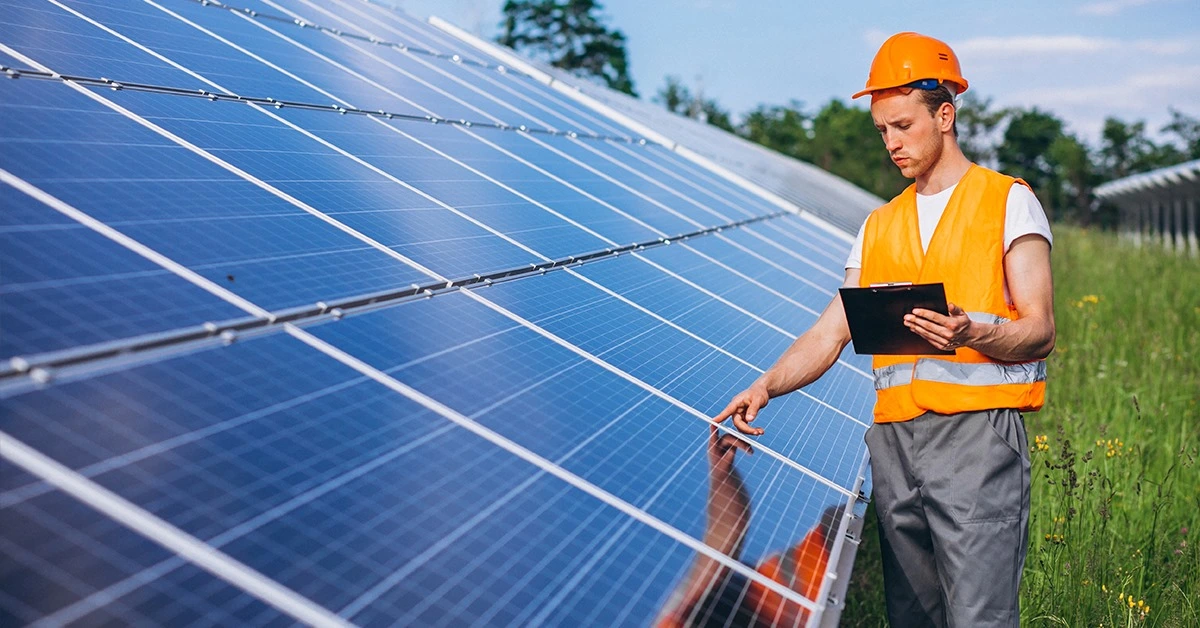
Solar remains the single most impactful upgrade for most homeowners. A properly designed solar system can offset the majority of your electricity usage — and in many cases, nearly all of it.
Here’s what matters when going solar:
System Design Comes First
Every roof is different. Orientation, shading, pitch, and available space all affect how much energy your panels will produce. A quality installer performs a detailed site assessment and designs the system around your actual usage patterns — not a one-size-fits-all template.
Equipment Quality Matters
Panels are a 25+ year investment. Choosing high-efficiency panels and reliable inverters from established manufacturers means better production, fewer problems, and stronger warranties over the life of the system.
Installation Quality Determines Longevity
Even the best equipment underperforms when installed poorly. Proper flashing, wiring, mounting, and roof penetration sealing protect both your solar production and your roof itself. This is why experienced, licensed installers are worth it — shortcuts during installation become expensive problems years later.
Don’t Forget Ongoing Service
Solar systems are low maintenance, but they’re not zero maintenance. Inverters can fail, panels can accumulate grime, and monitoring systems occasionally need attention. If your system was installed years ago and production has dropped — or your original installer is no longer in business — professional Solar Service and Repair can diagnose issues, restore performance, and keep your investment producing at its best.
Battery Storage: Take Control of Your Energy
Solar panels produce power during the day — but most households use the most energy in the evening. Battery storage bridges that gap.
A home battery stores excess solar energy produced during daylight hours so you can use it at night, during peak rate periods, or when the grid goes down. For homeowners in areas with time-of-use billing or frequent outages, batteries have shifted from “nice to have” to genuinely essential.
Key benefits of adding battery storage:
- Backup power during outages — keep essentials running when the grid fails
- Peak shaving — avoid buying expensive grid electricity during high-rate evening hours
- Maximized solar value — use more of what your panels produce instead of exporting it at low credit rates
- Energy independence — reduce your reliance on the utility altogether
Modern batteries are compact, safe, and can be sized to match your home’s needs — from covering just the essentials to whole-home backup.
HVAC Systems: The Biggest Energy User in Your Home
Heating and cooling account for roughly half of the average home’s energy consumption. If your HVAC system is more than 10–15 years old, chances are it’s costing you far more than it should.
Signs Your HVAC System Is Wasting Energy
- Rising bills without changes in usage
- Uneven temperatures between rooms
- The system runs constantly but never quite gets comfortable
- Frequent repairs and strange noises
- Your system uses outdated refrigerant
Modern High-Efficiency Solutions
Today’s heat pumps and high-SEER air conditioning systems use dramatically less energy than units from even a decade ago. Heat pumps in particular have become the go-to choice — they both heat and cool, run on electricity (pairing perfectly with solar), and operate at efficiency levels traditional furnaces simply can’t match.
Pairing a new HVAC system with solar panels is one of the smartest combinations available: your panels generate the electricity, and your heat pump uses it efficiently. The result is year-round comfort at a fraction of the operating cost.
Ductwork matters too. Leaky or poorly insulated ducts can waste 20–30% of the air your system produces. A full evaluation should always include the ducts, not just the equipment.
Roofing: The Overlooked Piece of the Energy Puzzle
Your roof does more than keep rain out. It plays a direct role in your home’s energy performance — and it’s the foundation your solar system sits on.
An aging or poorly insulated roof lets heat pour in during summer and escape during winter, forcing your HVAC system to work harder. Modern roofing materials with reflective properties and proper attic ventilation can noticeably reduce cooling loads.
There’s also a practical reason to think about roofing and solar together: if your roof is nearing the end of its life, replacing it before installing solar saves you the cost of removing and reinstalling panels later. Companies that handle both roofing and solar can coordinate the two projects seamlessly — one crew, one timeline, one warranty conversation.
Water Filtration and Efficiency
Water quality and water heating are often left out of energy conversations, but they belong in any whole-home efficiency plan.
Hard water forces water heaters to work harder, shortens appliance lifespans, and builds up scale in pipes and fixtures. A whole-home water filtration or conditioning system protects your plumbing, improves water quality at every tap, and helps your water heater run more efficiently for longer.
Meanwhile, upgrading to a high-efficiency or heat pump water heater can cut water heating costs significantly — water heating is typically the second-largest energy expense in a home after HVAC.
Electrical Upgrades: Preparing Your Home for the Future
Many homes — especially those built before the 1990s — simply weren’t wired for modern energy demands. Solar systems, battery storage, EV chargers, heat pumps, and induction cooking all rely on your home’s electrical infrastructure.
Common electrical upgrades that support energy efficiency include:
- Main panel upgrades to safely handle solar, batteries, and EV charging
- EV charger installation for faster, safer home charging
- Dedicated circuits for high-demand appliances
- Smart electrical panels that let you monitor and control energy use by circuit
Handling electrical work alongside solar and HVAC projects ensures everything is designed to work together — sized correctly, permitted properly, and installed to code.
The Power of an Integrated Approach
Here’s the problem with piecemeal upgrades: a solar company that doesn’t understand your roof, a roofer who doesn’t think about panel placement, an HVAC contractor who doesn’t know your electrical capacity — each one makes decisions in isolation, and homeowners pay for the gaps.
An integrated provider looks at the whole picture:
- Assess your home’s energy usage, roof condition, HVAC performance, and electrical capacity
- Design a coordinated plan where each component supports the others
- Install with consistent quality standards across every trade
- Service everything long-term through a single point of contact
This is exactly the model Baker Home Energy has followed for decades — and it’s why so many homeowners and businesses across Southern California trust them for complete energy solutions rather than one-off installations. When your solar, battery, HVAC, roofing, and electrical systems are designed together, they perform better together.
What Kind of Savings Can You Expect?
Every home is different, but here’s a realistic picture of what combined efficiency upgrades can deliver:
- Solar + battery: 70–100% reduction in grid electricity purchases
- High-efficiency HVAC upgrade: 20–40% reduction in heating and cooling costs
- Duct sealing and insulation: 10–20% improvement in HVAC efficiency
- Efficient water heating: 30–50% lower water heating costs
- Cool roofing and ventilation: noticeably lower summer cooling loads
Stack these together, and it’s common for homeowners to cut their total energy spending by more than half — while ending up with a more comfortable, more valuable home.
Add in available federal tax credits and local incentives for solar, batteries, and heat pumps, and the payback period on these investments continues to shrink.
Getting Started: A Simple Roadmap
If you’re ready to improve your home’s energy efficiency, here’s a sensible order of operations:
- Get a professional energy assessment — understand where your home stands today
- Address the roof first if it needs replacement — everything else builds on it
- Go solar with battery storage — lock in your energy production
- Upgrade HVAC when the time is right — pair it with your solar production
- Round out the picture — water filtration, electrical upgrades, EV charging
You don’t have to do everything at once. A good provider will help you prioritize based on your budget, your goals, and which upgrades deliver the fastest returns for your specific home.
Final Thoughts
Home energy efficiency isn’t a single product — it’s a strategy. Solar panels, battery storage, modern HVAC, quality roofing, water filtration, and updated electrical systems all work together to lower your costs, increase your comfort, and protect you from rising energy prices for decades to come.
The key is working with a team that understands how all these pieces fit together. With deep experience across every major home energy system, Baker Home Energy helps homeowners and businesses build complete, reliable energy solutions — installed right the first time and supported for the long haul. And if you already have solar that isn’t performing the way it should, their Solar Service and Repair team can get your system back to peak production.
Your home is already your biggest investment. Making it energy efficient is simply making that investment work harder for you.