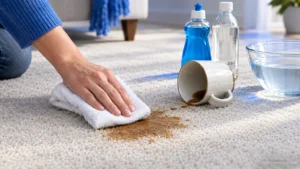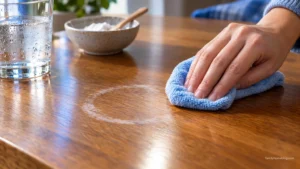
Grease soaks into cotton fibers within seconds, and heat locks it in for good. That is why the single most important rule for how to remove oil stains from clothes is simple: keep the garment out of the dryer until the mark is gone. A dryer’s hot air sets the oil, and a set stain can take two or three extra rounds to lift.
Start the method below within a few hours if you can. Fresh oil lifts far more easily than a stain that has aged for days.
The fast method for fresh grease stains
This works on cotton, polyester, and most cotton blends. It does not suit silk, wool, or anything marked dry clean only.

- Blot, never rub. Press a paper towel on the spot to lift surface oil. Rubbing pushes it deeper into the weave.
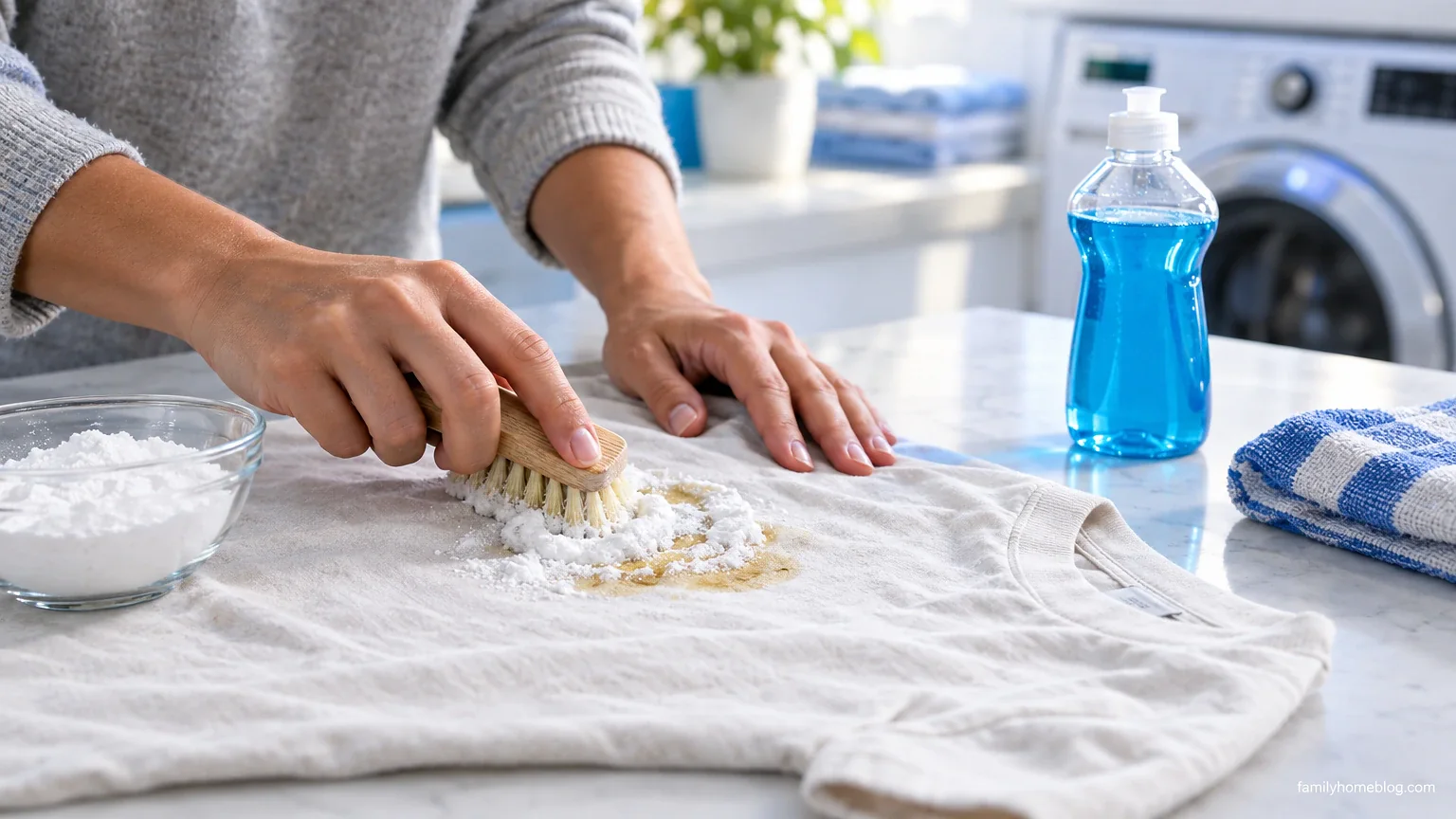
- Cover the stain with a thick layer of baking soda, cornstarch, or plain talcum-free baby powder. Let it sit for at least 30 minutes, or overnight for a heavy spill.
- Scrape off the powder with a dull knife edge. It will look clumped and gray.
- Work a few drops of liquid dish soap into the stain with a soft toothbrush. Dish soap is built to cut grease, so it works better here than most laundry detergents.
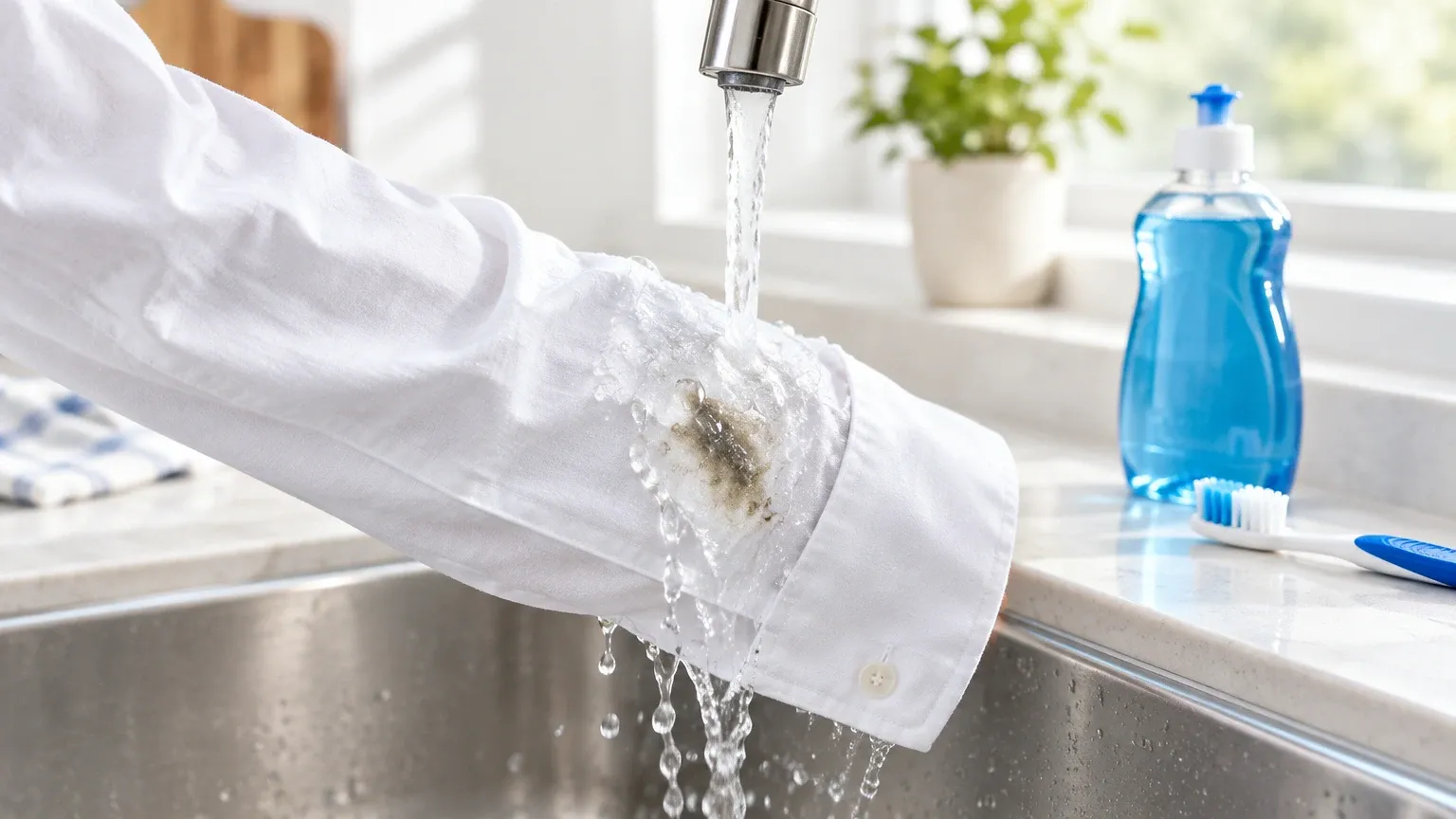
- Wait 10 minutes, then rinse the back of the fabric with the hottest water the care label allows.
- Wash on the warmest setting the label permits, using your usual detergent.
- Check the spot while the fabric is still wet. If a shadow remains, repeat the dish soap step. Dry only when the stain is fully gone.
Air-dry the garment first. If any ring of oil survives, a dryer will bake it in.
Why water alone fails
Oil and water do not mix. A plain rinse slides over the grease and leaves it clinging to the fibers. You need a surfactant, which is the cleaning agent in dish soap and laundry detergent. Surfactant molecules grab the oil on one end and water on the other, which lets the wash cycle carry the grease away.
Powders such as baking soda and cornstarch work differently. They absorb. They pull liquid oil up and out of the fabric before you add any water, so the soap has less grease to fight.
Fiber matters too. Polyester is oleophilic, meaning it attracts oil, and it holds onto grease more stubbornly than cotton does. If a polyester shirt still looks dull after one round, that is normal. Plan on a second treatment.
Stain removal by fabric type
Not every fabric tolerates the same treatment. Match the method to the label before you start.
| Fabric | Safe approach | Avoid |
|---|---|---|
| Cotton, denim, linen | Powder, dish soap, hot wash | Nothing special |
| Polyester and blends | Powder, dish soap, warm wash, repeat as needed | High dryer heat |
| Wool and cashmere | Powder only, then professional care | Hot water, scrubbing |
| Silk and rayon | Powder, then take to a dry cleaner | Dish soap, any soaking |
The Cooperative Extension at several land-grant universities publishes fabric care guidance that backs up this split. Delicate protein fibers like wool and silk can felt or lose their finish when you agitate them in hot water.
When the stain is old or already dried
A stain that went through the dryer is stubborn but not hopeless. Here is the order to try.
First, rewet the area with warm water and rub in dish soap. Let it rest for a full 30 minutes this time, because dried oil needs longer to loosen.
Second, if a mark remains after washing, use an enzyme or solvent-based pre-treatment product. Look for the category sold as a grease or stain remover stick or spray, and follow its label for dwell time. Most call for a few minutes on dry fabric before washing.
Third, if that still fails, a dry cleaner can use solvents you cannot safely use at home. Point out the stain and tell them it is oil-based. Do not let them guess.
Never mix cleaners, and test first
Safety deserves its own moment, because people reach for several products when one stain resists.
Never combine chlorine bleach with ammonia. The mix releases chloramine gas, which the CDC warns can cause coughing, chest pain, and breathing trouble. Never combine bleach with vinegar or other acids either, since that produces chlorine gas. Rinse the area and the sink thoroughly between any two products.
Bleach also does nothing useful on oil. It attacks color, not grease, and it can leave a yellow halo on some synthetics. Skip it here.
Before you apply any pre-treatment to a visible area, test it on an inside seam. Wait five minutes and check for color transfer or fiber damage. Dark and bright fabrics are the usual casualties.
Stubborn oil stains: if this fails, do that
A faint shadow after one wash is the most common outcome, not a failure. Repeat the powder and dish soap process before you give up. Two cycles clear many cooking oil and salad dressing marks.
Some oils behave differently. Motor oil and mechanical grease carry dyes and heavier hydrocarbons, so they often need a solvent-based pre-treatment or a professional cleaner. Cosmetic oils and body lotions can leave a yellowish mark that appears days later, as the residue oxidizes, so wash those items soon after wearing.
If a mark survives two full attempts on an item you care about, stop. Further scrubbing weakens fibers. Take it to a professional and tell them what you have already tried.
What to do next time
Keep a small container of baking soda or cornstarch near the laundry area, where it is ready the moment a spill happens. Treating the stain within the first hour, before it ever sees heat, solves most cases without any special products.
Once the garment is clean and fully air-dried, you can wash and dry it as usual. If you ever need to deal with grease on other surfaces, the same logic holds: absorb first, then use a surfactant, and keep heat away until the stain is gone.
Frequently asked questions
Does baking soda really remove oil stains from clothes?
Baking soda absorbs surface oil but rarely removes the whole stain alone. Use it first to pull out grease, then follow with dish soap and a warm wash.
Can I use laundry detergent instead of dish soap?
Yes, liquid laundry detergent works if you rub it into the stain directly. Dish soap often cuts grease faster because it is formulated for fats and oils.
Will an oil stain come out after it has been through the dryer?
Often yes, but it takes more effort. Rewet the area, work in dish soap, let it rest 30 minutes, and wash again. Repeat if a shadow remains.
Is it safe to use WD-40 or a solvent on a grease stain?
Skip household solvents on clothing. They can damage fabric and leave their own oily residue. Dish soap or a dedicated laundry pre-treatment is the safer choice.