If you want to add personality and style to your outdoor space but don’t want to break the bank, you’ve come to the right place. This article will explore ten affordable landscaping ideas that transform your yard into a beautiful, inviting oasis.
Key takeaways
- Plan the whole yard on paper first so small projects build toward one cohesive look
- Choose native, drought-tolerant plants to reduce watering, replacement, and maintenance costs
- Use free or low-cost materials like compost, mulch, and divided perennials to stretch your budget
- Tackle projects in phases each season instead of trying to finish everything at once
1. Plant a Flower Bed
Planting a flower bed is among the simplest and most economical approaches to elevating the aesthetics of your outdoor area. You can use a variety of plants and flowers to create a colorful and vibrant display. Choose plants that are low maintenance and easy to care for, such as petunias, marigolds, and zinnias.
2. Install a Water Feature
A water feature can introduce a tranquil atmosphere to your outdoor living area. You can purchase a small fountain or create your own using a container and a pump. A water feature can be a beautiful centerpiece for your yard and doesn’t have to cost a fortune.
3. Create a Pathway
Creating a pathway in your yard can add structure and design to your outdoor space. You can use pavers, bricks, or gravel to create a path. This can be a great way to lead guests to a specific area of your yard or to create a walking path.
4. Add Outdoor Lighting
Adding outdoor lighting can create a beautiful ambience in your outdoor space. You can use string, lanterns, or solar-powered lights to create a warm and inviting atmosphere. This is an affordable way to add personality and style to your yard.
5. Build a Raised Garden Bed
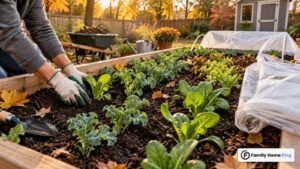
A raised garden bed is an excellent way to grow fruits and vegetables. It also adds a beautiful design element to your yard. You can build a raised garden bed using inexpensive materials such as cinder blocks or pallets.
6. Create a Focal Point
Creating a focal point in your yard can add a unique and interesting element to your outdoor space. For example, you can use a sculpture, birdbath, or a large rock as a focal point. This can be a great way to add personality and style to your yard without spending much money.
7. Plant a Tree
Planting a tree is an affordable way to add shade and beauty to your yard. You can choose a tree that fits your space and climate, such as a fruit or flowering tree. Trees also provide a habitat for birds and other wildlife.
8. Build a Fire Pit
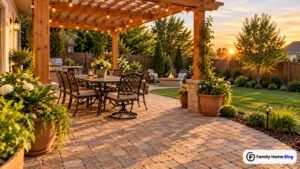
Constructing a fire pit is a fantastic way to establish a warm and welcoming exterior environment. You can use bricks or stones to create a circle and add a grate for cooking. A fire pit provides an ideal setting for roasting marshmallows or enjoying a crisp evening outdoors.
9. Create a Vegetable Garden
Growing your vegetables is not only affordable, but it’s also a great way to eat fresh and healthy food. You can start small by planting a few vegetables in containers or creating a larger garden in your yard. This can be a fun and rewarding project for the whole family.
10. Use Containers
Using containers is an affordable way to add color and design to your outdoor space. You can plant flowers, herbs, or even small shrubs in containers. Containers are also portable, so you can easily move them around to create different designs.
Plan Your Yard Before You Spend a Dollar
The most affordable landscaping ideas work best when they fit a simple overall plan. Sketch your yard on graph paper, marking the house, fences, trees, utilities, sunny and shady spots, and areas that stay wet after rain. Then note how your family uses the space: play areas, entertaining, vegetable growing, or quiet seating. This helps you place features where they are useful rather than where they happen to fit.
Once you have a plan, divide it into phases. Start with the basics that affect everything else, such as fixing drainage, defining beds and paths, and improving soil. Decorative extras like lighting and water features can come later. Working in stages spreads costs across seasons and lets you learn what grows well before investing more. Before digging, contact your local utility locating service to mark underground lines.
Set a realistic budget for each phase and include tools, delivery fees, and soil amendments, which are easy to forget. Prices for plants and materials vary by region and season, so compare local nurseries, garden centers, and landscape supply yards. Buying bulk items like mulch or gravel by the cubic yard is often more economical than bags for larger areas.
- Map sun, shade, and drainage patterns
- List how your family uses each area
- Fix soil and drainage before decorating
- Call to mark utility lines before digging
Budget-Stretching Tips for Plants and Materials
Plants are often the biggest expense, so buy smart. Smaller container sizes typically cost much less and catch up quickly once established. Perennials such as hostas, daylilies, and ornamental grasses can be divided every few years, giving you free plants to fill new beds. Neighbors and local garden clubs often share divisions and seeds, and end-of-season nursery sales can offer good deals.
For materials, look for free mulch from local tree services or municipal programs, and make your own compost from kitchen scraps and yard waste. Reclaimed bricks, stone, or pavers from renovation projects can build paths and bed edging at a fraction of new costs. Native and drought-tolerant plants are another long-term saver, since they are adapted to your climate and generally need less water, fertilizer, and replacement.
Starting plants from seed is another budget-friendly option, especially for annual flowers and vegetables. A packet of seeds typically costs much less than a single nursery plant and can fill an entire bed. Save seeds from healthy plants at the end of the season for next year. Grouping plants with similar water needs together also saves money over time by reducing waste from overwatering.
Common Landscaping Mistakes That Waste Money
Planting too close together is one of the most frequent errors. Small nursery plants look sparse at first, so it is tempting to crowd them, but they quickly compete for light and water and may need removing later. Always check the mature size on the plant tag. Another costly mistake is ignoring your conditions, such as putting sun-loving plants in shade or thirsty plants on a dry slope.
Skipping soil preparation also leads to struggling plants and repeat purchases. Loosen compacted soil and add compost before planting. Placing trees too close to the house, driveway, or sewer lines can cause damage years later. Finally, avoid buying on impulse without a place in mind. Sticking to your plan and a shortlist of proven plants keeps your affordable landscaping ideas genuinely affordable.
Overlooking maintenance time is another trap. A design that requires weekly trimming, frequent watering, or annual replanting can cost more in time and money than you expect. Before committing, think honestly about how many hours you want to spend in the yard each week. Choosing a few well-suited plants, mulching generously, and keeping lawn areas manageable helps your yard stay attractive without becoming a chore.
- Space plants for their mature size
- Match plants to sun and soil
- Improve soil with compost first
- Keep trees away from foundations and pipes
Frequently Asked Questions
What is the cheapest way to landscape a yard?
The cheapest approach combines planning, mulch, and inexpensive plants. Use free or low-cost mulch to cover bare areas, grow perennials that can be divided, start plants from seed, and reuse materials like bricks or stones. Doing the labor yourself and working in phases also keeps costs down over time.
What are some affordable landscaping ideas for a small front yard?
Define the entry with a simple gravel or paver path, add a mulched bed with low-maintenance perennials, and use large containers by the door for seasonal color. Solar path lights add curb appeal at low cost. Keep the design simple and repeat a few plants for a tidy, cohesive look.
When is the best time to start a landscaping project?
Fall and early spring are often the best times to plant in many regions because temperatures are mild and rainfall helps roots establish. Hardscape projects like paths and patios can be done whenever the ground is workable. Planning in winter gives you time to shop sales and prepare materials.
How can I make my yard look nice with little maintenance?
Choose native or drought-tolerant plants, group plants with similar water needs, and cover soil with a thick layer of mulch to suppress weeds. Reduce lawn area in favor of beds or ground covers, and add a simple drip irrigation system or soaker hose to make watering easier.
Conclusion
Many affordable landscaping ideas can transform your outdoor space. So whether you want to plant a flower bed or build a fire pit, plenty of options exist. With a little creativity and some DIY skills, you can create a beautiful and inviting oasis in your backyard.